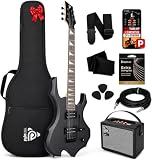
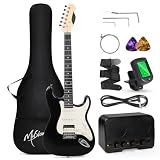
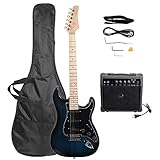
Electric guitars vary significantly in price and quality, ranging from budget-friendly starter models under $150 to professional-grade instruments exceeding $800. Your budget should align with your skill level and commitment to learning. Beginners benefit from affordable options that deliver solid sound without breaking the bank, while experienced players may justify investing in premium brands known for superior tone and durability.
Amplifier power measured in watts affects volume output and practice flexibility. Lower-wattage models (5-11W) suit bedroom practice and small venues, producing warm tones at manageable levels. Higher-wattage amplifiers provide greater volume range and headroom for larger spaces. Consider your primary playing environment—bedroom practice requires different specifications than live performances or band rehearsals.
Brand reputation matters when selecting electric guitars. Established manufacturers like Fender and Epiphone offer proven reliability, consistent build quality, and extensive aftermarket support. Emerging brands and budget alternatives provide excellent value, though quality consistency may vary. Reading verified customer reviews helps identify models that deliver performance beyond their price point and identify potential durability concerns.
Body style, neck comfort, and included accessories influence your overall playing experience. Travel-sized models offer portability for musicians on the move, while full-sized guitars provide traditional playability. Evaluate whether packages include essential accessories like cables, straps, and stands. Test different guitar shapes when possible—neck thickness and body contours significantly impact comfort during extended playing sessions.