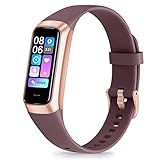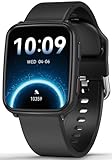
MorePro
Fitness Tracker
This fitness tracker offers 24/7 heart rate and blood pressure monitoring to help you stay proactive about your health goals.
Water resistant
Score 9.8 out of 10Exceptional
Highly reviewed · Mid range
Heart rate fitness trackers compared by accuracy and comfort. Aggregated product ranking, refreshed weekly.
633 models in the source rankings · 10 products listed · Updated November 20, 2026
MorePro
This fitness tracker offers 24/7 heart rate and blood pressure monitoring to help you stay proactive about your health goals.
Water resistant
Score 9.8 out of 10Exceptional
Highly reviewed · Mid range

Bakoor
Score 9.7 out of 10Exceptional
Highly reviewed · Budget

Apple
Score 9.5 out of 10Exceptional
Well reviewed · Premium
Each mark is one product, placed by its score out of 10

Highly reviewed · Premium
Score 9.3 out of 10
Score 9.3 out of 10

Water resistant · Highly reviewed · Premium
Score 9.1 out of 10
Score 9.1 out of 10

Water resistant · Highly reviewed · Mid range
Score 9.1 out of 10

Well reviewed · Budget
Score 9.0 out of 10
Score 9.0 out of 10
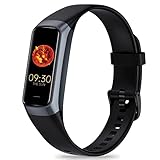
Water resistant · Well reviewed · Budget
Score 8.9 out of 10
Score 8.9 out of 10

Water resistant · Highly reviewed · Mid range
Score 8.7 out of 10
Score 8.7 out of 10

Water resistant · Highly reviewed · Budget
Score 8.7 out of 10
Score 8.7 out of 10
| Rank | Model | Score | Key feature |
|---|---|---|---|
| 01 | MorePro Fitness Tracker | 9.8/10 | Water resistant |
| 02 | Bakoor Fitness Tracker | 9.7/10 | Water resistant |
| 03 | Apple Watch Series 12 GPS 42mm Smartwatch | 9.5/10 | Up to 24 hours of battery life with normal use |
| 04 | Apple Watch SE 3 GPS 40mm Smartwatch | 9.3/10 | Temperature sensing for Vitals and Cycle Tracking apps |
| 05 | WHOOP 5.0/MG Screenless Fitness | 9.1/10 | Water resistant |
| 06 | Google Fitbit Air Special Edition Stephen Curry | 9.1/10 | Water resistant |
| 07 | BrilliantHouse Fitness Tracker | 9.0/10 | - |
| 08 | Zeacool Fitness Tracker | 8.9/10 | Water resistant |
| 09 | MorePro Health Fitness Tracker | 8.7/10 | Water resistant |
| 10 | LIVIKEY Fitness Tracker Watch | 8.7/10 | Water resistant |
Heart rate monitoring is essential for tracking cardiovascular health and workout intensity. When selecting a fitness tracker, prioritize devices with continuous heart rate sensors that deliver real-time data throughout your day. Accuracy matters significantly—look for FDA-cleared monitors that have been validated in clinical studies. Consider whether you want optical sensors on your wrist or chest strap compatibility for enhanced precision during intense activities.
Budget plays a crucial role in your decision. Quality heart rate trackers range from under $25 to nearly $200. Entry-level models under $50 offer solid performance for casual users, while premium devices above $150 provide advanced metrics like ECG functionality and stress analysis. Determine your fitness goals and frequency of use to justify investment levels. Mid-range options between $40-$100 deliver excellent value without unnecessary premium features.
Compatibility and ecosystem integration shouldn't be overlooked. Ensure your chosen tracker syncs seamlessly with your smartphone and preferred fitness apps like Apple Health, Google Fit, or Strava. Display preferences matter too—some prefer vibrant touchscreens while others favor battery-efficient e-ink displays. Water resistance ratings are important if you'll wear your tracker during swimming or water sports.
User experience directly impacts long-term satisfaction. Read verified customer reviews focusing on battery life, comfort during extended wear, and accuracy across different activities. Some trackers excel at running metrics while others shine during gym workouts. Check warranty coverage and return policies—testing a device for a few weeks helps confirm it matches your lifestyle and training needs before making a final commitment.
Each list aggregates published product rankings for its category and lists each product once, in aggregated order.
Scores come from the aggregated rankings. Titles, features and photos come from each product's retailer listing at the last refresh.
Rankings are refreshed every week, so products move up, down or out as the underlying rankings change.
Prices and availability change often. Check the current price before you buy.