Best Gaming Headsets

Gaming headsets compared by sound quality, microphone, and comfort. Aggregated product ranking, refreshed weekly.

1,908 models in the source rankings · 10 products listed · Updated November 20, 2026

This week's ranking

Score spread

Each mark is one product, placed by its score out of 10

01
7.510
  1. Rank 1: Score 9.8 out of 10
  2. Rank 2: Score 9.7 out of 10
  3. Rank 3: Score 9.6 out of 10
  4. Rank 4: Score 9.4 out of 10
  5. Rank 5: Score 9.2 out of 10
  6. Rank 6: Score 9.1 out of 10
  7. Rank 7: Score 9.0 out of 10
  8. Rank 8: Score 8.8 out of 10
  9. Rank 9: Score 8.7 out of 10
  10. Rank 10: Score 8.7 out of 10

Related products

Top picks

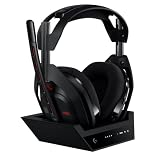
  1. Rank 1Logitech G Astro A50 Multi-Platform Wireless Gaming Headset
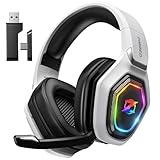
  2. Rank 2AOC 2.4GHz Wireless Gaming Headset for PS5Bluetooth 6.0
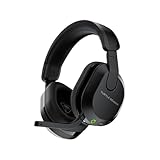
  3. Rank 3SteelSeries Arctis Nova 5 Wireless Multi-System Gaming HeadsetBluetooth 5.3 · 60-hour battery life · 6 hours of use from a 15-minute USB-C fast charge

At a glance

Buyer's guide: how to choose gaming headsets

Gaming headsets vary significantly in price and performance. Budget options under $50 offer solid sound quality for casual players, while mid-range models between $60–$130 deliver enhanced comfort and clearer audio for competitive gaming. Premium headsets above $200 feature advanced noise cancellation, premium materials, and studio-grade audio. Consider your primary games—competitive shooters benefit from directional sound clarity, while story-driven titles reward immersive audio depth.

Comfort is non-negotiable during extended gaming sessions. Look for padded ear cups, adjustable headbands, and lightweight designs. Memory foam padding helps reduce fatigue during 8+ hour marathons. Ventilated materials prevent heat buildup, especially important for warm climates. Check customer reviews specifically mentioning long-term wear comfort, as this directly impacts your gaming experience and purchase satisfaction.

Sound quality matters most in competitive gaming where directional audio cues determine victory. Frequency response between 20Hz–20kHz suits most gamers, while emphasis on mid-range frequencies (1kHz–4kHz) improves voice chat clarity. Surround sound capabilities—whether virtual 7.1 or true surround—enhance spatial awareness in multiplayer games. Bass impact matters less than frequency balance for competitive play, though story games benefit from deeper lows.

Microphone quality directly affects team communication and streaming potential. Noise-canceling microphones isolate your voice from background distractions, crucial for competitive matches. Look for adjustable mic sensitivity and muting options. Detachable microphones offer flexibility for switching between gaming and casual listening. Brands offering replaceable mic capsules provide long-term value. USB connectivity generally provides superior audio quality compared to 3.5mm jack connections.
Frequently asked questions

What's the best gaming headset for competitive shooters?
Competitive shooters demand clear positional audio and minimal latency. The Logitech G Pro ($299.99, 9.7/10) and SteelSeries Arctis ($129.99, 9.6/10) excel at delivering directional sound cues through advanced surround algorithms. Mid-range options like the HyperX Cloud ($64.95, 9.2/10) provide excellent value without sacrificing competitive advantage. Prioritize headsets with customizable EQ settings to fine-tune audio for footstep clarity.
Are budget gaming headsets worth buying?
Yes, budget headsets under $50 deliver surprising value for casual and story-driven gaming. The Valorise ($35.98, 9.8/10) and Razer ($34.99, 8.8/10) offer solid audio quality with genuine customer satisfaction. However, they may sacrifice premium materials and extended comfort features compared to mid-range models. Budget options work perfectly for single-player campaigns but competitive gamers should consider stepping up to $60–$130 price tiers for enhanced clarity.
Do gaming headsets work with consoles and PC?
Most modern gaming headsets feature multi-platform compatibility through USB, 3.5mm, or wireless dongles. PC gamers benefit from USB connections offering superior audio processing, while console players often rely on 3.5mm jacks or wireless adapters. Check product specifications carefully—some headsets like certain Logitech G models require specific drivers for full feature access on PC. Cross-platform headsets increase overall value by eliminating device-specific purchases.
How important is surround sound in gaming headsets?
Surround sound enhances immersion significantly in single-player and story-driven games, though competitive shooters prioritize clear, directional audio over total surround channels. Virtual 7.1 surround through software processing rivals true surround quality at lower costs. Premium models like the Logitech G Pro feature advanced spatial audio algorithms, while budget headsets focus on stereo clarity. Your game choice determines surround importance—prioritize it for open-world exploration, deprioritize for competitive play.
What microphone features matter most for gaming?
Noise-canceling microphones dramatically improve team communication by filtering background distractions. Detachable designs offer flexibility switching between gaming and music listening. Look for adjustable sensitivity, muting buttons, and pop filters reducing plosive sounds. The Turtle Beach ($89, 9.1/10) and HyperX models excel at voice clarity. USB microphones generally outperform 3.5mm jacks due to superior analog-to-digital conversion, crucial for streaming and competitive team communication.

Glossary: key terms

Surround Sound
Audio technology creating three-dimensional sound environments. Virtual surround uses stereo headphone drivers with digital processing algorithms to simulate multi-speaker setups, enhancing immersion in gaming through directional audio cues and environmental depth.
Noise-Canceling Microphone
Microphone technology that isolates desired voice input while suppressing background ambient noise. Essential for competitive gaming communication, allowing clearer team instructions without keyboard clicks, fan noise, or environmental distractions interference.
Frequency Response
Measure of audio frequencies a headset reproduces, typically 20Hz–20kHz for humans. Lower frequencies emphasize bass response, while higher frequencies deliver treble clarity. Gaming headsets optimized for 1kHz–4kHz enhance voice chat intelligibility in competitive multiplayer environments.
Impedance
Electrical resistance measured in ohms (Pa), affecting power requirements and audio output. Lower impedance (32 ohms) works better with portable devices, while higher impedance delivers superior audio quality on dedicated amplifiers. Gaming headsets typically range 16–600 ohms depending on driver design and intended platform.

How these rankings work

Aggregated rankings

Each list aggregates published product rankings for its category and lists each product once, in aggregated order.

Listing details

Scores come from the aggregated rankings. Titles, features and photos come from each product's retailer listing at the last refresh.

Refreshed weekly

Rankings are refreshed every week, so products move up, down or out as the underlying rankings change.

Prices and availability change often. Check the current price before you buy.