
Apple
AirPods Max (USB-C)
Powered by the H2 chip, AirPods Max 2 delivers improved high-fidelity audio with deep bass, expansive mids, and crisp highs for an unparalleled listening…
Score 9.2 out of 10Excellent
Well reviewed
Over-ear and on-ear headphones compared by sound, comfort, and noise cancellation. Aggregated product ranking, refreshed weekly.
1,080 models in the source rankings · 12 products listed · Updated November 20, 2026
Apple
Powered by the H2 chip, AirPods Max 2 delivers improved high-fidelity audio with deep bass, expansive mids, and crisp highs for an unparalleled listening…
Score 9.2 out of 10Excellent
Well reviewed

Beats
Score 9.2 out of 10Excellent
Highly reviewed
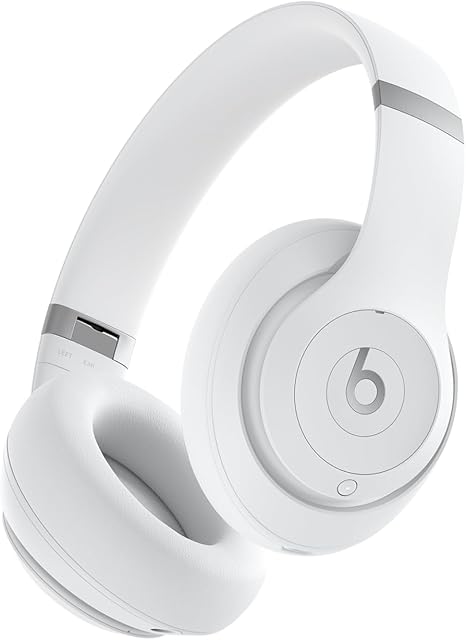
Beats
Score 9.0 out of 10Excellent
Highly reviewed
Each mark is one product, placed by its score out of 10

Bluetooth 5.4 · Water resistant · Highly reviewed · Budget
Score 9.9 out of 10
Score 9.9 out of 10

Bluetooth 5.4 · Water resistant · Highly reviewed · Budget
Score 9.9 out of 10

50h battery · Well reviewed · Premium
Score 9.5 out of 10
Score 9.5 out of 10

40h battery · Well reviewed · Premium
Score 9.5 out of 10

40h battery · Highly reviewed · Premium
Score 9.5 out of 10

Highly reviewed · Mid range
Score 9.3 out of 10
Score 9.3 out of 10

Well reviewed · Budget
Score 9.2 out of 10

76h battery · Bluetooth 5.3 · Well reviewed · Mid range
Score 9.1 out of 10
Score 9.1 out of 10

Well reviewed · Mid range
Score 9.0 out of 10




| Rank | Model | Score | Key feature |
|---|---|---|---|
| 01 | Apple AirPods Max (USB-C) | 9.2/10 | - |
| 02 | Beats Solo 4 Wireless Headphones | 9.2/10 | - |
| 03 | Beats Studio Pro Wireless Headphones | 9.0/10 | - |
| 04 | Btootos Wireless Earbuds | 9.9/10 | Bluetooth 5.4 |
| 05 | Aptkdoe Wireless Earbuds 75H Bluetooth 5.4 Sport Headphones | 9.9/10 | Bluetooth 5.4 |
| 06 | Beats Solo 4 On-Ear Headphones | 9.5/10 | 50h battery |
| 07 | Skullcandy Crusher Evo Wireless Multi-Sensory Bass Headphones, True Black | 9.5/10 | 40h battery |
| 08 | Skullcandy Crusher Evo Wireless Multi-Sensory Bass Headphones, Primer | 9.5/10 | 40h battery |
| 09 | HyperX Cloud III Wired Gaming Headset | 9.3/10 | - |
| 10 | soundcore by Anker Q20i Hybrid Active Noise Cancelling Headphones | 9.2/10 | - |
| 11 | JBL Tune 720BT | 9.1/10 | 76h battery |
| 12 | Soundcore by Anker Q20i Hybrid Active Noise Cancelling Headphones | 9.0/10 | - |
Finding the right headphones depends on your primary use case and budget. Consider whether you need them for workouts, commuting, professional audio work, or casual listening. Each activity demands different features like water resistance, noise isolation, and comfort during extended wear. Budget-conscious shoppers can find excellent options under $30, while audiophiles may invest more for superior sound quality and build durability.
Sound quality is measured through frequency response and decibel output. A wider frequency range captures more audio details, while adequate decibel levels ensure clear listening at comfortable volumes. Look for balanced treble and bass responses suited to your music preferences. Read user reviews mentioning sound clarity—genuine customer feedback reveals real-world performance better than manufacturer claims alone.
Comfort and fit significantly impact your listening experience, especially for all-day wear. Headphones should have adjustable headbands, soft ear cushions, and appropriate weight distribution. Wireless models offer freedom of movement, while wired options eliminate battery concerns. Consider your activity level: intense workouts require secure, sweat-resistant designs, whereas office use prioritizes cushioning and lightweight construction.
Battery life matters for wireless headphones, with quality models offering 5-20 hours per charge. Check warranty coverage, build materials, and brand reputation for long-term reliability. Compare price-to-performance ratios by examining review counts and ratings—products with thousands of verified reviews provide trustworthy quality indicators. Don't overlook customer service responsiveness when selecting between similarly-priced models.
Each list aggregates published product rankings for its category and lists each product once, in aggregated order.
Scores come from the aggregated rankings. Titles, features and photos come from each product's retailer listing at the last refresh.
Rankings are refreshed every week, so products move up, down or out as the underlying rankings change.
Prices and availability change often. Check the current price before you buy.