
DEXI
Kitchen Floor Mats Cushioned Anti Fatigue Runner Rug
Featuring supportive memory foam that relieves pressure on feet, knees and back.
Water resistant
Score 9.9 out of 10Exceptional
Well reviewed · Premium
Anti-fatigue kitchen mats compared by comfort, durability, and non-slip grip. Aggregated product ranking, refreshed weekly.
1,913 models in the source rankings · 10 products listed · Updated November 20, 2026
DEXI
Featuring supportive memory foam that relieves pressure on feet, knees and back.
Water resistant
Score 9.9 out of 10Exceptional
Well reviewed · Premium
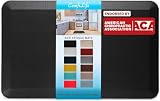
ComfiLife
Score 9.7 out of 10Exceptional
Well reviewed · Premium

KitchenClouds
Score 9.6 out of 10Exceptional
Highly reviewed · Premium
Each mark is one product, placed by its score out of 10

Water resistant · Well reviewed · Budget
Score 9.5 out of 10
Score 9.5 out of 10
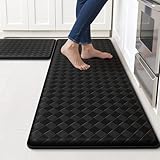
Water resistant · Popular · Budget
Score 9.3 out of 10
Score 9.3 out of 10
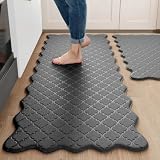
2 pieces · Water resistant · Well reviewed · Budget
Score 9.2 out of 10

2 pieces · Water resistant · Highly reviewed · Mid range
Score 9.1 out of 10

Water resistant · Highly reviewed · Mid range
Score 9.0 out of 10
Score 9.0 out of 10

2 pieces · Highly reviewed · Budget
Score 8.9 out of 10
Score 8.9 out of 10

2 pieces · Water resistant · Highly reviewed · Mid range
Score 8.7 out of 10
Score 8.7 out of 10

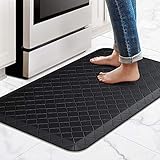


| Rank | Model | Score | Key feature |
|---|---|---|---|
| 01 | DEXI Kitchen Floor Mats Cushioned Anti Fatigue Runner Rug | 9.9/10 | Water resistant |
| 02 | ComfiLife Anti Fatigue Floor Mat | 9.7/10 | 3/4 inch thick high-density memory foam core |
| 03 | KitchenClouds Kitchen Mats | 9.6/10 | 3 pieces |
| 04 | StepRite Kitchen Mats, Black | 9.5/10 | Water resistant |
| 05 | TranquilRelax 2-Piece Kitchen Mats | 9.3/10 | Water resistant |
| 06 | Arenarug Upgrade Scalloped Kitchen Mats for Floor 2PCS | 9.2/10 | 2 pieces |
| 07 | SoftDuo Kitchen Mat 2 PCS Cushioned Anti-Fatigue Floor Mat Standing Mat | 9.1/10 | 2 pieces |
| 08 | StepRite Kitchen Mats, Khaki | 9.0/10 | Water resistant |
| 09 | KIMODE Anti Fatigue Kitchen Mats | 8.9/10 | 2 pieces |
| 10 | Collive Kitchen Mats | 8.7/10 | 2 pieces |
Kitchen mats serve as essential protective barriers between your feet and hard flooring while cooking and cleaning. The right mat combines comfort, durability, and safety to reduce fatigue during extended standing periods. Consider your kitchen's layout, foot traffic patterns, and existing décor when selecting a mat that fits your lifestyle and aesthetic preferences.
Material composition directly impacts a mat's performance and longevity. Premium kitchen mats typically feature cushioned cores wrapped in slip-resistant surfaces that provide stability on tile, laminate, and hardwood floors. Look for non-toxic, water-resistant materials that withstand daily moisture exposure and frequent cleaning without degrading or developing odors over time.
Size and shape flexibility matter significantly for kitchen functionality. Standard rectangular mats work well before sinks and stoves, while L-shaped or custom-cut options accommodate galley layouts and island configurations. Measure your workspace carefully to ensure adequate coverage where you spend the most time standing without creating tripping hazards.
Maintenance requirements and durability warranties reveal product quality and manufacturer confidence. Superior kitchen mats resist staining, dry quickly, and support machine washing or simple vacuuming. Checking customer reviews for long-term performance insights helps identify mats that maintain comfort and appearance after months of heavy daily use.
Each list aggregates published product rankings for its category and lists each product once, in aggregated order.
Scores come from the aggregated rankings. Titles, features and photos come from each product's retailer listing at the last refresh.
Rankings are refreshed every week, so products move up, down or out as the underlying rankings change.
Prices and availability change often. Check the current price before you buy.