Best Office Chairs

Office chairs evaluated by ergonomics, materials, and durability. Aggregated product ranking, refreshed weekly.

1,362 models in the source rankings · 10 products listed · Updated November 20, 2026

This week's ranking

  1. Rank 1
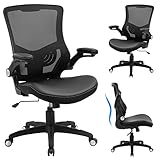
    ELABEST X100 Ergonomic Mesh Office Chair with Footrest, Big and Tall Hone Desk Chair with 5D Flip-Up Arms, Adjustable 3D Lumbar Support,Gaming & Executive Computer Chairs

    ELABEST

    X100 Ergonomic Mesh Office Chair

    Premium Ergonomic Desk Chair with Footrest featuring dynamic 3D lumbar support, 5D Flip-Up Armrests, and extra-wide 3D breathable headrest, 2-position angle…

    Score 9.8 out of 10Exceptional

    Well reviewed · Premium

    Check price on Amazon: ELABEST X100 Ergonomic Mesh Office Chair

Score spread

Each mark is one product, placed by its score out of 10

01
7.510
  1. Rank 1: Score 9.8 out of 10
  2. Rank 2: Score 9.6 out of 10
  3. Rank 3: Score 9.5 out of 10
  4. Rank 4: Score 9.4 out of 10
  5. Rank 5: Score 9.2 out of 10
  6. Rank 6: Score 9.1 out of 10
  7. Rank 7: Score 8.9 out of 10
  8. Rank 8: Score 8.9 out of 10
  9. Rank 9: Score 8.7 out of 10
  10. Rank 10: Score 8.7 out of 10

Related products

Top picks

  1. Rank 1ELABEST X100 Ergonomic Mesh Office ChairHolds up to 300 lbs with BIFMA-certified structure · 18" extendable footrest with 2-position angle adjustment
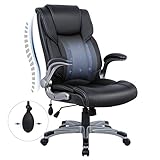
  2. Rank 2HeroSet Office Chair
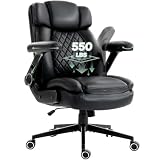
  3. Rank 3GTPLAYER Big and Tall Gaming Chair 400lbs Heavy Duty Office Chair

At a glance

RankModelScoreKey feature
01ELABEST X100 Ergonomic Mesh Office Chair9.8/10Holds up to 300 lbs with BIFMA-certified structure
02HeroSet Office Chair9.6/10-
03GTPLAYER Big and Tall Gaming Chair 400lbs Heavy Duty Office Chair9.5/10-
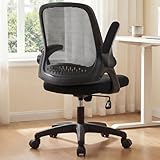
04X XISHE Office Chair Ergonomic Desk Chair9.4/10Supports up to 300 lbs
05COLAMY High Back Executive Office Chair9.2/10Built-in inflatable lumbar airbag
06YFO Home Office Desk Chair Office Rubber Casters Ergonomic Computer Chair9.1/10Seat 22 in wide and 20 in deep
07TRALT Office Chair8.9/10-
08Marsail Ergonomic Office Chair8.9/10Backrest reclines from 90° to 120°
09FelixKing Office Chair8.7/10-
10Synorla Office Chair8.7/10-

Buyer's guide: how to choose office chairs

Selecting the right office chair requires understanding your primary work environment and daily usage patterns. Consider whether you'll spend eight hours sitting, take frequent breaks, or alternate between tasks. Your body type and height also matter significantly—chairs with adjustable seat heights and lumbar support accommodate diverse frames better. Budget $80–$160 for quality options that balance comfort, durability, and ergonomic features without breaking the bank.

Lumbar support is essential for maintaining proper spinal alignment during extended sitting sessions. Look for chairs with adjustable backrests that conform to your lower back's natural curve, reducing strain and preventing chronic pain. Memory foam padding and breathable mesh materials enhance comfort during long workdays. Quality construction ensures your investment lasts years while supporting your health and productivity.

Mobility and adjustability distinguish premium chairs from basic models. Swivel bases with smooth-rolling casters allow easy movement across your workspace. Armrests should be height-adjustable to match your desk, preventing shoulder tension. Seat depth and width determine how well the chair supports your body during various sitting positions. These features collectively create an ergonomic foundation for optimal comfort.

Assembly time and warranty coverage reflect manufacturer confidence in their products. Quick setup—typically 15–30 minutes—means less frustration when your new chair arrives. Check customer reviews for real-world feedback about durability, comfort during extended use, and long-term performance. Reputable brands back their chairs with solid warranties, giving you peace of mind and recourse if issues arise.

Frequently asked questions

What's the ideal seat height for an office chair?
Your feet should rest flat on the floor with knees bent at 90 degrees when seated. Thighs should be parallel to the ground. Most quality office chairs offer height adjustment ranges between 17–21 inches, accommodating users from 5'2" to 6'4". Proper seat height reduces leg strain and improves circulation throughout your workday.
How often should I adjust my office chair settings?
Adjust your chair whenever you change tasks or notice discomfort. Many professionals benefit from micro-adjustments every 1–2 hours, shifting seat depth or backrest angle to prevent muscle fatigue. Your ideal position may vary based on whether you're typing, video conferencing, or reading. Regular adjustments keep your spine aligned and reduce injury risk.
Are mesh chairs better than padded leather chairs?
Mesh chairs offer superior breathability, keeping you cool during long sessions—ideal for warm climates. Padded leather provides softer immediate comfort but can trap heat. Consider your office temperature and personal preference. Mesh tends to last longer without compression, while leather requires regular conditioning. Both materials work well when properly supported by ergonomic frames.
What's the average lifespan of a quality office chair?
Well-constructed office chairs typically last 7–10 years with proper care and regular maintenance. Heavy daily use may shorten this timeline, while occasional use extends it. Quality materials, adjustable components, and manufacturer warranties indicate longer durability. Investing in higher-rated models pays dividends through extended service life and consistent comfort over years of use.
Can office chairs help prevent back pain?
Ergonomic office chairs with proper lumbar support significantly reduce back pain risk when used correctly. Combined with good posture and regular movement breaks, supportive chairs minimize strain on your spine. However, no chair alone prevents back pain—positioning, desk height, and movement habits matter equally. Choose adjustable models that accommodate your unique body mechanics for optimal results.

Glossary: key terms

Lumbar support
A structural or cushioned feature that supports your lower back's natural curve, maintaining spinal alignment and reducing strain during prolonged sitting. Essential for preventing back pain and discomfort.
Ergonomic design
Chair engineering focused on minimizing physical strain by supporting natural body positioning. Includes adjustable components like seat height, armrests, and backrest angle to accommodate individual differences.
Tilt mechanism
A mechanical system allowing the chair seat and back to recline together or independently. Enables postural variation throughout the day, reducing muscle fatigue and improving circulation.
Base and casters
The five-wheeled foundation of office chairs enabling smooth movement across floors. Quality casters ensure quiet rolling, while sturdy bases provide stability and prevent tipping during normal use.

How these rankings work

Aggregated rankings

Each list aggregates published product rankings for its category and lists each product once, in aggregated order.

Listing details

Scores come from the aggregated rankings. Titles, features and photos come from each product's retailer listing at the last refresh.

Refreshed weekly

Rankings are refreshed every week, so products move up, down or out as the underlying rankings change.

Prices and availability change often. Check the current price before you buy.