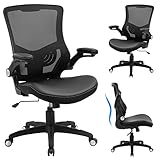
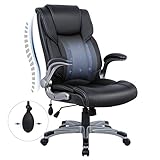
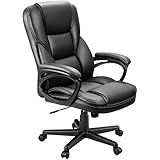
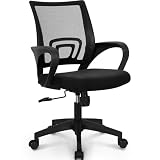
Ergonomics should be your primary consideration when selecting an office desk chair. Look for adjustable lumbar support, seat height, and armrests that align with your body's natural curves. A properly ergonomic chair reduces strain on your spine, neck, and shoulders during long workdays, preventing chronic pain and improving productivity. Quality materials and construction ensure your chair remains supportive for years.
Comfort features distinguish excellent chairs from average ones. Consider padding thickness, breathable mesh versus leather upholstery, and swivel functionality. High-quality foam maintains its shape and density over time, preventing sagging that compromises support. Tilt mechanisms and recline options allow you to adjust your seating position throughout the day, reducing fatigue and muscle tension during extended work sessions.
Assembly time matters for busy professionals. Some chairs require minimal setup—as little as 15 minutes—while others demand 30 minutes or more. Check manufacturer specifications before purchasing if quick installation is important. Pre-assembled components and clear instructions streamline the process, letting you enjoy your new chair sooner without frustration or requiring professional help.
Budget flexibility allows you to find quality within your price range. Entry-level chairs under $100 offer basic comfort and functionality, while mid-range options ($100-$150) typically feature enhanced ergonomics and durability. Premium chairs exceed $150 but justify costs through superior materials and longevity. Consider your daily usage hours and workspace setup when determining appropriate investment levels for your needs.