
Apple
MacBook Air 15-inch (M4)
MacBook Air with the M4 chip lets you blaze through work and play.
Score 9.6 out of 10Exceptional
Highly reviewed
Traditional laptops compared by performance, display, and battery life. Aggregated product ranking, refreshed weekly.
853 models in the source rankings · 12 products listed · Updated November 20, 2026
Apple
MacBook Air with the M4 chip lets you blaze through work and play.
Score 9.6 out of 10Exceptional
Highly reviewed

Apple
Score 9.6 out of 10Exceptional
Well reviewed
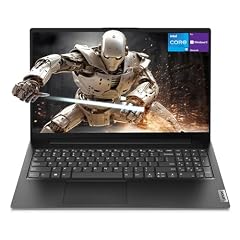
Lenovo
Score 9.8 out of 10Exceptional
Highly reviewed · Premium
Each mark is one product, placed by its score out of 10

Highly reviewed · Premium
Score 9.6 out of 10

15 min runtime · Popular · Premium
Score 9.5 out of 10
Score 9.5 out of 10

4h battery · Highly reviewed · Budget
Score 9.4 out of 10

Highly reviewed · Mid range
Score 9.3 out of 10

4h battery · Highly reviewed · Mid range
Score 9.1 out of 10

Well reviewed · Budget
Score 9.0 out of 10

Well reviewed · Budget
Score 8.8 out of 10
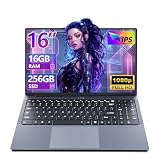
Highly reviewed · Budget
Score 8.7 out of 10

Highly reviewed · Mid range
Score 8.7 out of 10
Score 8.7 out of 10




| Rank | Model | Score | Key feature |
|---|---|---|---|
| 01 | Apple MacBook Air 15-inch (M4) | 9.6/10 | - |
| 02 | Apple MacBook Pro 14-inch (M5 Pro) | 9.6/10 | - |
| 03 | Lenovo V15 Gen 4 Business Laptop | 9.8/10 | Wi-Fi |
| 04 | HP 17 inch Business Laptop Computer • 2026 Edition • Latest AMD Ryzen 5 CPU • | 9.6/10 | 17.3 inch FHD anti-glare display |
| 05 | HP OmniBook 3 17.3 inch Laptop PC | 9.5/10 | 15 min runtime |
| 06 | SAGAWHALE 2026 Window 11 Pro Traditional Laptop Computer | 9.4/10 | 4h battery |
| 07 | HILLSUSU 2026 Flagship 15.6" Business Laptop Computer | 9.3/10 | 15.6" Full HD (1920x1080) anti-glare IPS screen |
| 08 | SAGAWHALE 2026 Windows 11 Pro Traditional Laptop Computer | 9.1/10 | 4h battery |
| 09 | rumlawn 15.6" Laptop Computer 16GB RAM 256GB SSD | 9.0/10 | - |
| 10 | rumlawn 15.6" Laptop Gaming 16GB RAM 512GB SSD | 8.8/10 | - |
| 11 | YOZISUAN Laptop Computer 16GB RAM 256GB SSD | 8.7/10 | 16GB DDR3 RAM with 256GB SSD |
| 12 | Tunhail Laptop Computer | 8.7/10 | - |
When selecting a traditional laptop, consider your primary use case first. Whether you need a device for professional work, creative tasks, or everyday computing significantly impacts which model suits you best. Budget constraints also play a major role—traditional laptops range from budget-friendly options under $400 to premium machines exceeding $1000. Assess your performance requirements and portability needs before making a decision.
Processing power and RAM are critical specifications for smooth multitasking and demanding applications. Look for laptops with modern processors and at least 8GB of RAM for general use, while content creators may require 16GB or more. Storage capacity matters too—solid-state drives (SSDs) offer faster performance than traditional hard drives. These hardware components directly affect your laptop's speed, responsiveness, and overall user experience.
Display quality significantly impacts your daily computing experience, especially for extended work sessions. Consider screen size, resolution, and panel type when comparing models. Brightness and color accuracy matter for creative professionals, while casual users prioritize comfortable viewing angles and eye-friendly technology. Battery life is equally important—longer battery endurance provides flexibility and reduces dependency on constant charging.
Build quality and brand reputation deserve careful attention when investing in a traditional laptop. Premium brands typically offer better customer support, warranty coverage, and long-term reliability. Reading verified customer reviews provides valuable insights into real-world performance and durability. Compare price-to-value ratios across different manufacturers to find the best balance between cost and quality for your specific needs.
Each list aggregates published product rankings for its category and lists each product once, in aggregated order.
Scores come from the aggregated rankings. Titles, features and photos come from each product's retailer listing at the last refresh.
Rankings are refreshed every week, so products move up, down or out as the underlying rankings change.
Prices and availability change often. Check the current price before you buy.