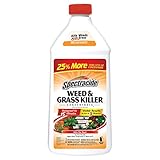
Spectracide
Weed & Grass Killer Concentrate, 40 Oz
Score 9.9 out of 10Exceptional
Highly reviewed · Budget
Weed killers and herbicides compared by effectiveness, safety, and coverage. Aggregated product ranking, refreshed weekly.
1,947 models in the source rankings · 10 products listed · Updated November 20, 2026
Spectracide
Score 9.9 out of 10Exceptional
Highly reviewed · Budget

Spectracide
Score 9.8 out of 10Exceptional
Well reviewed · Budget

VIVIPOOOL
Score 9.7 out of 10Exceptional
Well reviewed · Mid range
Each mark is one product, placed by its score out of 10

Well reviewed · Budget
Score 9.5 out of 10
Score 9.5 out of 10

Well reviewed · Mid range
Score 9.3 out of 10

Well reviewed · Mid range
Score 9.1 out of 10
Score 9.1 out of 10

Highly reviewed · Budget
Score 9.0 out of 10
Score 9.0 out of 10

Highly reviewed · Premium
Score 8.9 out of 10
Highly reviewed · Premium
Score 8.9 out of 10

Popular · Premium
Score 8.8 out of 10




| Rank | Model | Score | Key feature |
|---|---|---|---|
| 01 | Spectracide Weed & Grass Killer Concentrate, 40 Oz | 9.9/10 | - |
| 02 | Spectracide Weed & Grass Killer Concentrate, 16 Oz | 9.8/10 | - |
| 03 | VIVIPOOOL 41% Glyphosate Super Concentrate Weed & Grass Killer (1 Gallon) | 9.7/10 | - |
| 04 | Southern Ag Amine 2 | 9.5/10 | - |
| 05 | Spectracide Weed & Grass Killer Concentrate, 1 Gal | 9.3/10 | Makes up to 40 gallons from 1 gal concentrate |
| 06 | Compare-N-Save 75324 Herbicide | 9.1/10 | Rainproof in 2 hours |
| 07 | Natural Elements Weed Killer | 9.0/10 | Derived from vinegar, no harmful herbicides |
| 08 | Hi-Yield (33693) Super Concentrate Killzall Weed & Grass Killer | 8.9/10 | Contains 41% glyphosate super concentrate |
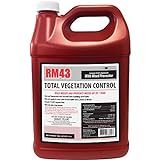
| 09 | RM43 Concentrated Extended Control Weed Killer | 8.9/10 | Concentrate that you mix with water |
| 10 | Ortho GroundClear Year Long Vegetation Killer2 Concentrate | 8.8/10 | Treats up to 3,200 sq. ft. per 2 gal. container |
Selecting the right weed killer depends on your lawn size, weed types, and treatment timeline. Pre-emergent formulas prevent seeds from sprouting, while post-emergent products eliminate existing weeds. Consider whether you need selective herbicides targeting specific plants or non-selective options that kill most vegetation. Budget ranges from under $5 for basic solutions to $75 for professional-grade treatments with extended coverage.
Timing matters significantly when applying weed killers. Some formulations work within 15 minutes, while others require 30 minutes or longer for visible results. Weather conditions, soil moisture, and weed maturity all affect effectiveness. Spring and early summer typically offer optimal conditions for application. Always read labels carefully to understand when you'll see results and any safety precautions necessary for your household.
Cost-effectiveness varies dramatically across products. Budget-friendly options under $10 work well for small areas or spot treatments, while premium solutions like RM43 justify higher prices through extended protection and larger coverage areas. Consider cost per square foot rather than upfront price alone. Many users benefit from keeping multiple types on hand for different seasonal needs and weed challenges throughout the year.
Safety and environmental impact deserve careful consideration before purchasing. Some formulas are pet and child-safe once dry, while others require extended waiting periods. Research active ingredients and their environmental persistence. Look for products with strong customer reviews mentioning safety performance. Consider whether you prefer selective herbicides that preserve desirable plants or broad-spectrum options for complete yard clearing and renovation projects.
Each list aggregates published product rankings for its category and lists each product once, in aggregated order.
Scores come from the aggregated rankings. Titles, features and photos come from each product's retailer listing at the last refresh.
Rankings are refreshed every week, so products move up, down or out as the underlying rankings change.
Prices and availability change often. Check the current price before you buy.