NookMarket
ENKI Institut

ENKI Institut

Digital Services & Streaming · E-Learning & Online Courses

ENKI Institut sells small-batch, research-grade skincare actives and professional-use devices that target pigmentation, barrier repair and collagen renewal. Price points sit in the mid-to-premium tier: single serums €55-€90, clinical pens and masks €240-€420. Everything is released in limited drops and sold exclusively through the house e-commerce site, with no third-party retailers or marketplaces. The lab’s identity rests on its “post-cosmetic” philosophy: formulas are built around unpublished in-vivo data from the affiliated ENKI derm-science group, then stability-tested at 40 °C for 90 days before release. Best-known SKUs include the 0.3 % iso-quercitrin “Photon” serum that suppresses UV-induced pigmentation without cytotoxicity, and the cordless 1072 nm LED “LumaPen” used by EU med-spas for post-laser healing. Every box carries a QR code linking to the exact assay sheet of the batch inside. Core buyers are licensed estheticians and ingredient-educated consumers aged 28-45 who track dermatology journals and Reddit skincare forums; 68 % of site traffic arrives from mobile devices during journal-club hours (20:00-23:00 CET). They value open data, medical co-authorships and the ability to replicate clinic results at home without prescription drugs. ENKI competes in the narrow space between mass “clinical” brands and venture-backed biotech start-ups by keeping volumes artisanal and publishing negative trial results alongside positive ones. Where rivals chase viral actives, ENKI limits each molecule to one SKU, maintains GMP pharmaceutical production, and offers a 30-day money-back guarantee contingent on submitting pre/post corneometer readings—turning compliance into a citizen-science dataset that feeds the next formulation cycle.

Research-grade actives with batch transparency and citizen science built in

  • Handmade
Visit site

Similar brands

Tryepiphany

Tryepiphany sells at-home, professional-grade chemical peels, serums and complementary after-care skincare priced in the mid-range (single peels $29-$49, kits $89-$129). All products are formulated for self-application and sold exclusively through the brand’s own e-commerce site, shipping within the U.S. and Canada. The line is built around pH-balanced blends of glycolic, lactic, salicylic and trichloroacetic acids in concentrations normally found in med-spas, accompanied by neutralizer and healing balm. Each formula is batch-tested for stability, packaged in UV-blocking glass and paired with step-by-step video protocols developed by licensed aestheticians, positioning the brand as “clinical results without the appointment.” Primary buyers are 25-45-year-old women comfortable with DIY beauty and value-driven skincare; they want visible resurfacing, hyper-pigmentation fading and acne control on their own schedule. The appeal is science-backed transparency, lower per-treatment cost versus clinic peels, and a community forum that normalizes chemical exfoliation at home. Tryepiphany competes with both dermatologist dispensed peel brands and mainstream “active” skincare lines by offering true professional acid percentages in legally safe at-home kits, coupled with education that reduces user error risk. Its differentiation lies in the combination of medical-strength actives, neutralizer safety step and post-peel support products sold as an integrated system rather than isolated serums.

Clinical-grade peels, dermatologist results, zero appointment required

Visit site

Codex Labs

Codex Labs is a biotech-meets-skincare company that sells clinically tested topical supplements for skin, scalp and intimate care. The range spans cleansers, serums, moisturizers, microbiome-friendly masks and OTC-style treatment sticks, priced $18-$65 (mid-range). Distribution is DTC through codexlabscorp.com, Amazon and select dermatology clinics; no traditional beauty retailers carry the line. Products are formulated under EU/US pharma-grade standards, each with published INCI, pH, preservative efficacy and post-biotic data in peer-reviewed journals. The patented “BiaComplex®” and “AntuComplex®” botanical-plus-biotech actives target barrier repair and oxidative stress, respectively; Shaant® acne line uses plant sterols to modulate sebum gene expression. All formulas are certified microbiome-safe by MyMicrobiome and packaged in sugar-cane or recycled tubes. Core buyers are science-literate millennials and Gen-Xers who track skin pH, read clinical white papers and want “supplement-level” efficacy without prescription drugs. They value transparency, eco-medical packaging and cruelty-free vegan sourcing, and are willing to forgo fragrance and essential oils to maintain barrier integrity. Codex competes with clinical “derm” brands, probiotic skincare startups and clean cosmeceuticals; it differentiates by publishing full genomic and preservative data, submitting to pharmaceutical-grade stability testing, and positioning products as topical supplements rather than cosmetics.

Prescription-strength science, no prescription required

  • Recycled
  • Vegan
  • Cruelty-free
Visit site

Zereanlabs

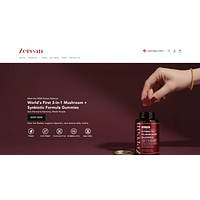
ZereanLabs.com sells small-batch nootropic capsules, sublingual powders, and precision micro-dosing kits priced USD 29-89 per 30-day supply, positioning the line in the mid-range tier. Everything is formulated, encapsulated, and shipped from the company’s own facility; orders are placed only through the brand’s Shopify storefront—no retail or marketplace listings. The company publishes third-party COAs for every batch and links each bottle to a public blockchain record that shows exact ingredient origin and lab date; this traceability is the core pitch. Its best-known skew is “Clarity-8,” a 500 mg lion’s-mane + psilocybin analogue stack that routinely sells out within 48 h of restock. Customers are 25-40-year-old tech freelancers, grad students, and crypto traders who self-track productivity metrics; they value open-source data, bio-hacking autonomy, and legal gray-area experimentation. Reddit threads and Discord logs show buyers comparing before/after HRV scores, not just subjective “focus” claims. ZereanLabs competes with mainstream adaptogen gummies and premium nootropic pills sold on Amazon; it differentiates by offering scheduled, federally-legal analogues, public lab ledgers, and 48-hour fulfillment direct from the lab, cutting out distributor markup and shelf-life uncertainty.

Trace your nootropics from lab to brain on the blockchain

Visit site

Vitalityaihealth

Vitalityaihealth sells AI-driven preventive-health hardware and subscription software that interprets at-home blood, saliva and wearable data. Flagship bundles—smart finger-prick kits, biosensor bands and a mobile dashboard—sit in the mid-to-premium price band ($199-$499 one-time; $29-$59 monthly analytics). Everything is sold direct-to-consumer through the brand’s own site; no retail partners or marketplaces are used. The company’s edge is real-time AI that translates biomarker results into micro-dosing recommendations for vitamins, peptides and lifestyle tweaks within minutes. Their “adaptive protocol engine” retrains nightly on aggregated user data, letting recommendations evolve faster than traditional tele-medicine platforms. The feature has generated a cult following among biohackers for its ever-changing personalized supplement stacks. Core buyers are 25-45-year-old tech professionals who already track sleep, HRV and glucose and want clinician-level insight without clinic visits. They value quantified-self optimization, data ownership and dislike one-size-fits-all wellness plans; the brand’s HIPAA-compliant, user-controlled data vault aligns with those priorities. Vitalityaihealth competes with both at-home lab kit startups and algorithmic wellness apps. It differentiates by closing the loop: sampling, analysis and dynamic protocol adjustment happen inside one vertically integrated ecosystem, removing the lag between test results and action while avoiding the pill-pushing stigma of generic subscription vitamin brands.

Your biodata, instantly optimized by AI that learns from you nightly

Visit site

Waldo

Waldo sells daily-wear contact lenses in 30- and 90-lens boxes, plus lens-safe eye drops and accessories. Prices sit in the mid-range: $18–$39 per box, shipping included, with first-box trials from $5. The company is online-only, shipping direct from FDA-registered U.S. facilities to all 50 states. The brand positions itself on “premium comfort at half the price,” using high-water-content methafilcon A lenses manufactured in the same factories as major labels. All lenses include UV-blocking and a light-blue handling tint; the best-selling “Waldo Daily” is promoted for 12-hour moisture retention. Subscription is flexible—pause, skip or cancel anytime—and every purchase funds sight-saving projects through the “Buy One, Give Vision” pledge. Core buyers are 18-35-year-old urban professionals and students who wear lenses daily, value convenience and track discretionary spending through apps. They respond to minimalist packaging, Instagram-friendly pastel branding and the ability to reorder by text. Sustainability and social-impact claims matter: carbon-neutral shipping and donated pairs align with their “conscious consumer” identity. Waldo competes with legacy optical houses sold through optometrists and with other DTC lens startups. It differentiates by undercutting office prices 30-50 % while keeping the same FDA-class materials, offering frictionless e-commerce tools (online prescription upload, auto-refill) and weaving charity into every order—elements the incumbent brands either lack or charge premiums for.

Clear vision, half the price, full social impact

  • Sustainable
Visit site

Getfirstperson

Getfirstperson sells direct-to-consumer nutritional gummies and powders focused on sleep, stress, cognition, immunity, and metabolic health. Single SKUs cost $29–$49 for a 30-day supply; bundles drop the per-unit price to the low-$20s. The company is online-only, shipping from U.S. fulfillment centers to all 50 states and Canada. The brand’s hook is “micro-dosing” functional ingredients—each gummy contains low, precise amounts of compounds such as 1 mg melatonin, 100 mg GABA, or 150 mg magnesium so consumers can stack or titrate without over-loading. All formulas are vegan, sugar-free, dyed with fruit juice, and manufactured in NSF-certified facilities; every lot is third-party tested and posted on-site as a COA. Best-sellers include the sleep gummy “Deep Sleep” and the nootropic powder “Focus,” which routinely sell out within days of restock. Core buyers are 25-40-year-old urban professionals who track sleep scores, HRV, and glucose and want bio-optimization without swallowing 10 pills. They value transparent labeling, clean ingredients, and the ability to personalize a stack by mixing two or three low-dose SKUs instead of taking a high-dose single pill. Getfirstperson competes in the crowded “better-for-you” supplement space against both legacy vitamin giants and newer digitally-native pill brands. It differentiates by offering only low-dose, gummy-first formats, publishing complete lab data, and positioning itself as a modular system rather than a one-size-fits-all multivitamin.

Precision nutrition you can stack, not swallow

  • Vegan
Visit site

Collective Hub International

Collective Hub International is a premium online-only marketplace that curates sustainable apparel, artisan home décor, and small-batch wellness products. Price points sit squarely in the premium tier: organic-cotton dresses USD 180–320, hand-thrown ceramics USD 65–120, and botanical skincare sets USD 90–160. All inventory is drop-shipped directly from vetted studios; there are no wholesale accounts or brick-and-mortar stockists. The platform’s USP is its carbon-negative fulfillment promise—every order is sent in reusable, returnable packaging and the brand offsets 150 % of shipping emissions. Each product page carries a QR code that traces the item from raw material to final maker, a transparency feature that has made their limited-run “Traceable Linen” capsule sell out within hours for three consecutive seasons. Customers are 25-45-year-old professionals who treat purchases as votes for systemic change; 68 % of surveyed buyers hold postgraduate degrees and earn above-national-average incomes. They value circular design, are willing to wait 10-14 days for made-to-order pieces, and share unboxing videos that highlight the reusable packaging system more than the product itself. Collective Hub International competes with eco-luxury multi-brand sites and high-end sustainable boutiques. It differentiates by refusing seasonal discounts, instead offering a lifetime take-back credit that funds repairs and resales, a policy that keeps resale value above 60 % of original price and positions the brand as an investment portal rather than a fashion retailer.

Buy pieces that trace their story and hold their worth

  • Sustainable
  • Handmade
  • Organic
Visit site

Colorland

Colorland is an online-only photo-product company that turns digital pictures into prints, photo books, canvases, mugs, phone cases, calendars, greeting cards and home décor items. Most products sit in the €10-€60 band, putting the brand in the mid-range: cheaper than premium lab services but above drug-store kiosks. Everything is designed, ordered and paid for through Colorland.com and its mobile apps; there are no physical stores. The site’s real-time editor auto-fits pictures into pre-made layouts in under a minute, and every order is printed in the EU on FSC-certified paper with latex or eco-solvent inks. The “Lay-Flat” photo book with seamless panoramic spread and the 40-page “Classic” book (frequently discounted in bundle deals) are the best-known SKUs. Same-day production and tracked 48-hour delivery are offered across most of Europe. Core customers are 25-45-year-old parents and young professionals who want fast, affordable keepsakes without learning design software. They value convenience, eco credentials and the ability to create a finished book on a phone during a commute. The brand voice is friendly, multilingual and promotion-heavy, appealing to pragmatic, price-sensitive shoppers who still care about print quality. Colorland competes with global SaaS-based photo printers, mass-custom gift sites and supermarket photo kiosks. It differentiates through aggressive couponing, EU-only production that shortens shipping times, and a UI optimized for one-handed mobile use, letting users complete a full photo book in under five minutes.

Your best memories printed and delivered before you change your mind

Visit site