Zerofuckscoin
Zerofuckscoin sells satirical cryptocurrency tokens and accompanying NFT art drops; all transactions are denominated in the native $0FCKS token, minted on Ethereum. Prices float with crypto markets—typically $10–$50 per NFT or merch bundle—so the range sits between budget and mid-tier. Sales happen only online through the brand’s own site and connected Web3 wallet checkout; no physical retail.
The project’s core gimmick is a fixed supply of 30 million tokens that can be “burned” to mint limited-edition content, creating a tongue-in-cheek scarcity economy around apathy. Meme-heavy artwork, profanity-laden smart-contract language, and public wallet addresses labeled “sendfuckshere” have made the NFTs shareable social media trophies. Their “Give 0 Fcks” hoodie, redeemable by burning 5k tokens, is the best-known physical item.
Buyers are 18-35-year-old crypto natives, DeFi traders, and meme-stock veterans who use the brand to signal risk tolerance and anti-establishment humor. Owning $0FCKS or its NFTs functions as in-group proof—similar to wearing a band tee—within Discord and Twitter crypto circles that value irreverence over utility.
Zerofuckscoin competes with other parody tokens and meme-coin merch plays by wrapping its joke inside usable ERC-20 mechanics and real-world redemption rather than pure speculation. While rivals rely on hype tweets, 0FCKS ties every product to token burns, steadily reducing supply and giving the gag a measurable economic twist.
Own the joke while everyone else burns their tokens away
Visit site
Discoverprimedefi
Discoverprimedefi is an online-only gateway that curates and lists decentralized-finance (DeFi) tools, yield farms, liquidity pools, and algorithmic trading bots. Everything promoted is free to access or low-fee, placing the platform in the budget-to-mid range of the crypto-discovery market. Revenue comes from referral commissions and featured listings, not from selling physical products.
The site distinguishes itself by pre-screening every protocol for smart-contract audits, total-value-locked metrics, and APY sustainability, then presenting results in a single, filterable dashboard. Daily “Prime Picks” highlight the top three opportunities that meet its risk-scoring criteria, giving newcomers a shortcut through DeFi noise. A built-in portfolio tracker syncs with MetaMask and WalletConnect to show real-time accrued rewards.
Core users are 20-40-year-old retail crypto holders who want double-digit yields without spending hours on Discord or Medium. They value transparency, self-custody, and time-saving curation, and they tend to hold less than $50 k in on-chain assets. The brand voice is educational rather than hype-driven, appealing to investors who prioritize due-diligence shortcuts over apocalyptic “1000×” promises.
Discoverprimedefi competes with aggregate data sites, yield-ranking newsletters, and influencer spreadsheets. It differentiates by combining risk scoring, wallet tracking, and educational context in one ad-light interface, positioning itself as the “Consumer Reports” of small-stake DeFi rather than a headline-chasing leaderboard.
Find the best DeFi yields without the noise or research burden
Visit site
Resid3ncy
Resid3ncy is a direct-to-consumer NFT membership club that bundles limited-edition streetwear, generative digital art, and IRL event access into one token-gated bundle. Each “residency” season drops 1,000–3,000 Ethereum-minted passes priced around 0.2–0.3 Ξ (mid-$400s at current rates); physical items ship worldwide from their Los Angeles studio. Sales happen only during 24-hour mint windows on their site; no secondary retail partners.
The brand’s core mechanic is “burn-to-wear”: holders must redeem (burn) their NFT to receive the physical capsule—hoodies, cargo sets, and accessories produced in exact quantities of the burn, eliminating inventory waste. Embedded NFC chips in every garment re-link the physical piece to a new soul-bound NFT that authenticates ownership and unlocks future seasons. Season 1’s 1,000-piece drop sold out in 12 minutes and now trades at 2–3× mint on OpenSea.
Buyers are 18-35-year-old crypto-native creatives who value provable scarcity, Web3 provenance, and fashion that doubles as a tradable asset. They congregate in Discord channels where voting rights on lookbook models and soundtrack artists give them literal residency in the brand’s creative direction. Owning the token signals early-adopter status and doubles as an access pass to warehouse pop-ups in LA, Berlin, and Tokyo.
Resid3ncy competes with other tokenized fashion projects and limited-drop streetwear labels that use hype calendars and gated commerce. It differentiates by tying every physical unit to a destroyed NFT, creating deflationary supply while giving holders a choice: trade the digital asset or wear the grail, but never both.
Own the fit, burn the token, join the residency
Visit site
Hyperbitcoinizer
Hyperbitcoinizer sells Bitcoin-themed streetwear and hardware-wallet accessories priced in the $25-$120 mid-range. The catalog centers on graphic hoodies, t-shirts, caps, enamel pins and limited-run metal seed-phrase backup plates. Everything is sold direct-to-consumer through hyperbitcoinizer.com; no physical stores or third-party marketplaces are used.
The brand’s core hook is maximalist meme culture translated into apparel: neon “₿” graphics, laser-eye mascots and block-height Easter eggs that reference specific halving cycles. Each drop is capped at 210 units (a nod to Bitcoin’s 21 million supply cap) and ships with an NFC tag that verifies authenticity on the public Liquid side-chain. This scarcity mechanic has made past hoodies trade at 2-3× retail on Bitcoiner forums.
Customers are 18-40-year-old Bitcoin holders who want to signal conviction without wearing corporate crypto-exchange logos. They value self-custody, open-source ethics and meme literacy; many photograph the gear next to their Casa or Coldcard devices for social media. The brand’s irreverent tone and sats-back loyalty program reinforce a “stacker” lifestyle rather than speculative trading.
Hyperbitcoinizer competes in the niche between low-cost Amazon crypto T-shirts and high-fashion luxury drops that abstract blockchain themes. It differentiates by pricing in dollars but displaying a live BTC equivalent at checkout, integrating Lightning payments, and tying every product to an on-chain trivia detail. The result is a coherent Bitcoin-native identity that general crypto-merch brands lack.
Wear your conviction, own your keys, stack your sats
Visit site
Dapp Playstore
Dapp Playstore is an online-only Web3 marketplace that lists decentralized applications (dApps), blockchain games, NFT utilities and DeFi tools. Listings are free for developers, while end-users pay only standard network gas fees; there are no retail mark-ups, placing the platform in the budget-to-mid range for blockchain access. Revenue comes from optional premium developer dashboards and in-site advertising, not from consumer product sales.
The site positions itself as the “Google Play of Web3,” indexing 20,000+ dApps across 40 chains and letting users launch them directly in-browser via built-in wallet connectors. Every listing displays smart-contract audits, on-chain metrics and community scores, creating a trust layer rarely offered by aggregate sites. Its Play-to-Earn leaderboard and seasonal “Dapp Quests” have become go-to discovery tools for new GameFi titles.
Core users are 18-40-year-old crypto-natives, DeFi traders and gamers who value open finance, self-custody and early-token rewards. The brand appeals to lifestyles that favor permissionless innovation, portable digital assets and side-income from blockchain activities rather than traditional retail consumption.
Dapp Playstore competes with token-gated launchpads, Discord alpha groups and generalized dApp trackers. It differentiates by combining a no-paywall consumer experience with multi-chain search filters, on-chain safety badges and one-click wallet integration—eliminating the need to hop between whitepapers, Telegram channels and chain-specific storefronts.
Discover Web3's best apps without the gatekeepers or markups
Visit site
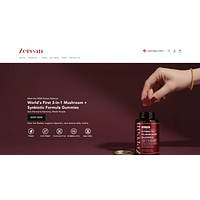
Zereanlabs
ZereanLabs.com sells small-batch nootropic capsules, sublingual powders, and precision micro-dosing kits priced USD 29-89 per 30-day supply, positioning the line in the mid-range tier. Everything is formulated, encapsulated, and shipped from the company’s own facility; orders are placed only through the brand’s Shopify storefront—no retail or marketplace listings.
The company publishes third-party COAs for every batch and links each bottle to a public blockchain record that shows exact ingredient origin and lab date; this traceability is the core pitch. Its best-known skew is “Clarity-8,” a 500 mg lion’s-mane + psilocybin analogue stack that routinely sells out within 48 h of restock.
Customers are 25-40-year-old tech freelancers, grad students, and crypto traders who self-track productivity metrics; they value open-source data, bio-hacking autonomy, and legal gray-area experimentation. Reddit threads and Discord logs show buyers comparing before/after HRV scores, not just subjective “focus” claims.
ZereanLabs competes with mainstream adaptogen gummies and premium nootropic pills sold on Amazon; it differentiates by offering scheduled, federally-legal analogues, public lab ledgers, and 48-hour fulfillment direct from the lab, cutting out distributor markup and shelf-life uncertainty.
Trace your nootropics from lab to brain on the blockchain
Visit site
Playstation Flex Raylopay
Playstation Flex Raylopay is an online-only storefront that resells officially licensed PlayStation digital content—full PS4/PS5 game codes, season passes, PlayStation Plus and PlayStation Network gift cards, plus small-ticket avatar and DLC packs. Inventory is priced 5-30 % below Sony’s MSRP, situating the offer between budget and mid-range; most SKUs fall between $10 and $70. All purchases are delivered instantly by email or customer dashboard, so no physical retail presence is required.
The site’s hook is “flexible checkout”: shoppers can split payment across any combination of Visa, Mastercard, PayPal, Apple Pay, Google Pay, Bitcoin, Ethereum or regional mobile wallets in a single transaction. A real-time discount engine automatically applies the steepest valid coupon at checkout, eliminating the need for promo-code hunting. These features, plus 24-hour flash drops on newly released first-party titles, have made the store a go-to for digital bargain hunters.
Core buyers are 18-34-year-old male gamers who already own a console and want to fill their libraries quickly without waiting for publisher sales or tying up a credit-card limit. They value instant gratification, crypto-level privacy and the freedom to micro-budget purchases across multiple funding sources. The brand voice is meme-savvy and Discord-friendly, reinforcing a “smart spender” identity rather than a premium-gamer status symbol.
Playstation Flex Raylopay competes with other gray-market key resellers and first-party digital storefronts by guaranteeing 100 % legitimate Sony-licensed codes sourced through verified wholesale partners, removing the risk of revoked keys. Its multi-wallet checkout and algorithmic couponing create a friction-reduced alternative to both rigid platform stores and peer-to-peer marketplaces, positioning it as the fastest, cheapest safe route to digital PlayStation content.
Your library grows faster than your wallet empties
Visit site
Bigcash
Bigcash is a web-only “play-to-earn” portal that converts online gaming activity into withdrawable cash. The site aggregates 60+ casual games—card, arcade, trivia, and fantasy sports—into one wallet; earnings range from ₹1 to ₹50,000 per session. Entry is free for most titles, but paid “premium cash” contests start at ₹5 and climb to ₹10,000, placing the platform in the budget-to-mid range.
The brand’s core hook is instant, low-friction money-outs: winnings hit Paytm, UPI, or bank accounts within 30 minutes and the minimum redemption is only ₹1. A daily leaderboard pools ₹5 lakh in prizes, and a built-in referral program pays 10 % lifetime commission on friends’ contest fees. These mechanics have made the ₹50 “Quick Quiz” and the ₹500 “Head-to-Head Rummy” tables the site’s most trafficked rooms.
Typical users are 18-30-year-old metro and Tier-2 Android owners who already spend on data packs and seek side income without skill-barrier entry. They value micro-earnings, transparent scoreboards, and vernacular language support; the platform’s Hindi, Tamil, and Bengali chat rooms reinforce a “play with your circle” community ethos.
Bigcash competes in the crowded real-money mini-game segment where heavy ad spends and first-deposit bonuses are the norm. It differentiates by keeping rake fees under 10 %, offering 24×7 instant withdrawals, and running ad-free lobbies—trading marketing gloss for higher net player yield and lower churn.
Play your favorite games, cash out in thirty minutes, repeat daily
Visit site