
Thehabrand
Thehabrand.com is a direct-to-consumer, online-only label that focuses on minimalist wardrobe staples for women: linen dresses, cotton-poplin shirts, ribbed tanks, wide-leg trousers and coordinating knit sets. Most pieces sit in the mid-range bracket, with tops and bottoms priced USD 60-120 and dresses topping out around USD 160; periodic “archive” drops offer past-season stock at 30-40 % off. Everything is sold exclusively through its own site—no wholesale accounts, marketplaces or brick-and-mortar stockists.
The brand’s hook is a strict “slow-release” calendar: only 4–6 tightly curated capsules per year, each produced in small, numbered runs that are restocked once and then retired. Every garment is cut from certified European linen or organic cotton, dyed in a closed-loop system and shipped plastic-free. Their best-known pieces are the “Oversized Linen Set” (boxy shirt + cropped trouser) and the “Square-Neck Maxi,” both of which routinely sell out within days and appear second-hand at above-retail prices.
Customers are 25-40-year-old creative professionals who want a uniform-like wardrobe that looks intentional without trending. They value traceability, neutral palettes and the ability to roll out of bed looking “put-together”; Instagram saves and Reddit threads show buyers building 10-piece year-round closets almost entirely from HBA releases.
Thehabrand competes in the crowded “modern basics” space dominated by Scandinavian and LA-based minimalist labels. It differentiates through scarcity (no evergreen inventory), natural-fiber-only sourcing and price points that sit 20-30 % below comparable premium linen labels while offering the same workmanship.
Intentional basics that sell out because they're actually worth keeping forever
Visit site
Marcodalmaso
Marcodalmaso.com is a direct-to-consumer Italian label focused on men’s small-leather-goods and travel accessories: wallets, card holders, belts, watch rolls, folios and weekender bags cut from full-grain vegetable-tanned Tuscan leather. Most pieces sit between €90 and €280, placing the brand in the accessible-premium tier; everything is sold exclusively through its own e-commerce store with worldwide DHL shipping and a 30-day return window.
The house positions itself as “Italian leather craft minus the middleman”: each product page lists the exact Florentine tannery, batch number and crafts-person who stitched the item, and every order ships with a signed authenticity card. Signature pieces include the slim “Porta” wallet (3 mm thick, 6 cards, no linings) and the fold-flat “Viaggiatore” watch roll that holds three timepieces in suede-lined compartments; both are offered in eight muted colors and can be monogrammed in 24 h.
Core buyers are 25-45-year-old urban professionals who want heritage quality without logo-heavy luxury branding—architects, software engineers and frequent-flyer consultants who post on r/onebag and value provenance, minimal thickness and ethical production. The brand’s Instagram feed of workshop shots and passport-stamp imagery reinforces a quiet, design-savvy lifestyle rather than status display.
Marcodalmaso competes with other online-born “transparent luxury” leather brands that skip wholesale mark-ups and use similar Italian supply-chain storytelling; it differentiates by limiting SKUs to a tight, modular system, offering lifetime stitching repairs, and publishing third-party cost breakdowns that show 42 % materials, 28 % labor, 30 % margin—numbers rivals rarely disclose.
Italian leather that knows exactly who made it
Visit site
Lerinusa
Lerinusa is a direct-to-consumer accessories label that focuses on minimalist leather goods—cross-body bags, wallets, card holders, belts and small travel pouches—priced between $40 and $180, squarely in the mid-range bracket. Everything is sold exclusively through lerinusa.com; no wholesale or brick-and-mortar stockists are listed. Limited-run color drops and pre-order capsules keep inventory tight and markdowns rare.
The brand’s core pitch is “full-grain Italian leather, clean architectural lines, hardware-free silhouettes,” with every piece cut and stitched in a family-run atelier outside Florence. Signature items include the fold-flat “Zero” cross-body and the magnetic-tab “Slide” wallet, both offered in tonal vegetable-tanned palettes that develop a rapid patina. Each product page lists the exact mill thickness of the hide and the name of the craftsman who finishes it, reinforcing transparency.
Customers are design-conscious urban professionals aged 25-40 who want quiet luxury without logos and who value traceable production over fast-fashion trends. They typically own a premium phone and a capsule wardrobe, and they buy Lerinusa to add a refined, hard-wearing accent that works from bicycle commute to evening events.
Lerinusa competes in the crowded “accessible luxury leather goods” tier dominated by Scandinavian minimalists and heritage Italian diffusion lines. It differentiates by skipping middle-man retail margins, offering lifetime stitch repairs, and publishing cost breakdowns that show 60 % materials, 30 % labor, 10 % overhead—evidence it bills as “radical pricing honesty.”
Italian leather that ages beautifully, priced honestly, shipped direct to you
Visit site
Keskine
Keskine is a direct-to-consumer accessories label that focuses on minimalist leather goods—primarily wallets, card holders, phone sleeves and small bags—sold exclusively through keskine.com. All pieces are cut from Italian full-grain vegetable-tanned leather and offered in a tight palette of earth tones; retail prices run $45–$140, placing the brand in the accessible-to-mid segment between fast-fashion and designer leather houses. Limited-batch drops and made-to-order windows keep inventory lean and sell-through high.
The brand’s calling card is architectural reduction: each product is assembled from two or three folded panels, eliminating lining and visible stitching to create slim silhouettes that age like raw denim. Signature items include the “One-Piece Wallet” (a single laser-cut shape folded four times) and the magnetic “Mono Sleeve” that grips a phone and 4–6 cards without hardware. Every order ships with a field-note booklet that tracks leather grain changes over time, reinforcing Keskine’s “buy less, keep longer” ethic.
Customers are design-conscious urban professionals aged 25-40 who want EDC gear that shrinks pockets and resists logo culture. They value quiet aesthetics, material honesty and transparent pricing, and they typically discover the brand through carry-culture forums or Instagram deep-dives on patina shots rather than traditional ads.
Keskine competes against heritage leather makers that rely on heavy branding and against tech-centric carry brands that favor synthetics. It differentiates by pairing old-world Tuscan leather with origami-level pattern efficiency, delivering lighter, thinner goods at half the price of comparable European workshops while maintaining a carbon-neutral supply chain audited in Milan.
Leather that whispers louder than any logo ever could
Visit site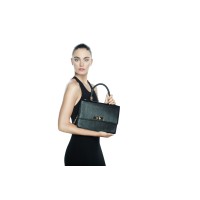
Onnaehrlich
Onnaehrlich sells handcrafted leather handbags, small leather goods, and minimalist jewelry. Prices sit in the mid-range: bags $220-$420, wallets $70-$120, brass or silver jewelry $45-$160. The label is direct-to-consumer through onnaehrlich.com and a Berlin atelier showroom; no wholesale or department-store distribution.
Design signatures are architectural folds, raw-edge leather left unlined, and matte black or undyed vegetable-tanned hides that patina quickly. Every piece is cut, sewn, and finished by a two-person team in Berlin, with edition numbers stamped inside; the “Fold” tote and “Paper” cross-body are the most referenced styles in design blogs.
Customers are 25-45, design-literate, often creative professionals who want understated, gender-neutral pieces made under transparent labor conditions. They value slow production, local materials, and the visible aging of natural leather over logo-driven luxury.
The brand competes in the accessible artisanal niche against other small-studio leather labels and Scandi-minimalist accessory houses. It differentiates through its Berlin-made authenticity, limited-run drops that sell out within days, and a visual language that treats leather like paper—sharp creases, stitched-only-where-necessary construction that reduces weight and hardware.
Leather that folds like paper, ages like wine, made by two hands in Berlin
Visit site
Brooklynbrigade
Brooklynbrigade.us sells graphic-driven streetwear and accessories: hoodies, tees, coach jackets, caps, beanies, socks and small goods priced $28-$140, squarely in the mid-range bracket. Drops are released in limited seasonal capsules and sold exclusively through the brand’s own Shopify site; no wholesale accounts or permanent brick-and-mortar inventory are maintained.
The label’s identity is built around military-spec typography, olive-and-black color stories and NYC borough iconography that references actual Brooklyn fire-department and naval-yard insignia. Each collection pairs heavyweight, USA-knitted fleece with custom-developed “B-De” camo or reflective prints, and every piece is numbered to show the size of the run, reinforcing scarcity without moving into luxury price tiers.
Core buyers are 18-35-year-old creatives, skaters and transit commuters who want region-specific gear that signals hometown pride but avoids mainstream sports-logos. They value small-batch production, understated graphics that still read as insider codes, and the ability to support a locally operated label that keeps manufacturing within North America.
Brooklynbrigade competes with other coastal, graphic-led streetwear labels that release weekly drops and rely on social media hype. It differentiates by narrowing its palette to utilitarian neutrals, capping quantities far below industry drop volumes, and anchoring graphics in verifiable Brooklyn heritage rather than generic pop-culture references, creating a tighter, more defensible niche.
Brooklyn-made gear that proves hometown pride doesn't need a logo
Visit site