125 brands to discover.

AmorAlegre
AmorAlegre is a direct-to-consumer children’s apparel label that focuses on breezy, hand-smocked cotton dresses, rompers, sun-suits, sibling sets and coordinating women’s tunics. Everything is designed in Austin and produced in small, ethically-run workshops in Peru and India using Pima cotton voile and Swiss batiste; retail prices run $38-$98 for baby and $48-$128 for kids, placing the brand in the mid-range premium niche. Sales happen almost entirely through amoralegre.com with limited capsule drops every 4-6 weeks; select styles are offered wholesale to 35 independent boutiques across the U.S. South-West and on Maisonette’s marketplace.
The label’s signature is nostalgic, Latin-influenced embroidery—think bright fuchsia bougainvillea or cobalt Otomi motifs hand-stitched on crisp white silhouettes—combined with modern, play-proof cuts (adjustable straps, diaper-friendly snaps, machine-wash fabric). Each collection is released in story-driven colorways of 3-4 hues, produced in runs of 200-300 units per print, creating collectability and near sell-through within two weeks. Their “Mama-Mini” matching sets and reversible bucket hats are consistent wait-list items that drive 30 % of annual revenue.
Core buyers are design-conscious millennial mothers aged 27-38 living in warm-climate suburbs or sun-belt cities who value heirloom quality without dry-clean fuss and want Instagram-ready coordination for family photos. They prioritize fair-trade production, gender-neutral color options and garments that transition from playground to party; the brand’s Spanish color names and festive aesthetic resonate with bilingual households seeking cultural representation.
AmorAlegre competes in the crowded “artisanal childrenswear” space against labels that use similar natural fabrics and romantic styling. It differentiates by keeping prices 20-30 % lower than comparable imported boutique brands, offering true mother-child sizing instead of token adult tees, and turning inventory quickly so customers feel part of an exclusive drop culture rather than a seasonal catalog.
Handstitched moments that dress your whole family beautifully
- Handmade
- Independent
- Ethical
Visit site
Humansucks
Humansucks is an online-only accessories label that focuses on 100 % glass smoking hardware: borosilicate beakers, straight tubes, recyclers, rigs, and matching hand pipes. Most SKUs sit between $120-$320, placing the line in the mid-range tier above import glass but below heady artist pieces; limited “drop” colorways can reach $450. Everything is sold through the brand’s own site and weekly Instagram-shop releases—no wholesale or brick-and-mortar stockists.
The brand’s identity is built on minimalist industrial design: every piece is sand-blasted with the stark “Humansucks” word-mark and finished in muted, single-tone color blocks (sage, cement, charcoal, blood-orange). Their 8-inch “KTS” beaker and 6-inch “Pocket” rig are repeat sell-outs that have become signature shapes, instantly recognizable in social-media posts. All glass is blown in small Los Angeles studios with 5 mm wall thickness and reinforced joints, marketed as “daily-proof” functional art.
Core buyers are 18-30 urban creatives who treat glass as part of a streetwear rotation—matching their piece to sneakers or graphic hoodies and posting unboxing reels. They value limited availability, neutral aesthetics that don’t read “head-shop,” and the subtle anti-establishment nod the name provides. Price accessibility lets college students and entry-level creatives own a “drop” without collector-level spend.
Humansucks competes in the crowded zone between mass-produced China glass and one-off artisan headies; it differentiates through fashion-style product drops, monochrome branding, and social-first storytelling rather than technical percolation or celebrity glass-blower collabs. By releasing 2-3 colorways every Friday and deleting old listings, they create hype cycles closer to sneaker labels than traditional smoke-shop brands, keeping resale demand and Instagram visibility high without physical retail.
Glass that hits different, design that actually matches your fit
Visit site
Coldesina Designs
Coldesina Designs sells limited-run women’s apparel and small-batch jewelry, all produced in-house in San Diego. Dresses, linen separates, and hand-hammered brass or sterling pieces sit in the $68-$240 range—mid-tier pricing that sits above fast fashion but below designer labels. Sales are DTC through the brand’s Shopify site and a 400-sq-ft studio showroom open three afternoons a week; no wholesale accounts or third-party marketplaces are used.
The company’s hallmark is zero-waste pattern cutting: every garment is drafted to use the entire fabric width, with off-cuts reworked into scrunchies, mask straps, or quilted totes. Natural fibers (European flax linen, dead-stock cotton) are pre-washed with plant-based enzymes to prevent shrink, then dyed in small vats with low-impact pigments. Signature releases like the reversible “Siena” wrap dress—cut from two-tone linen and convertible into five silhouettes—routinely sell out within 48 hours and re-stock only by wait-list vote.
Customers are 28-45-year-old creative professionals who value traceability and capsule wardrobes over trend cycles. They follow the brand on Instagram for behind-the-scenes reels of pattern layout and studio dog cameos, and they buy because each piece ships with a fabric-swatch remnant and the cutter’s name handwritten on the tag—proof of human craft that resonates with slow-living and eco-minimalist values.
Coldesina competes in the direct-to-consumer “ethical everyday” niche populated by small-batch linen labels and artisan jewelry studios. It differentiates through hyper-local production (every step inside a 10-mile radius), a public production calendar that shows exactly how many units of each style will exist, and a repair-for-life program that covers torn seams or clasp failures at no charge—policies that larger sustainable brands rarely match at the same price point.
Every piece tells you who made it and where it came from
- Sustainable
- Handmade
- Ethical
Visit site
Fifthandfine
Fifthandfine.com is an online-only men’s grooming and lifestyle retailer that stocks premium shaving hardware, safety razors, straight razors, high-grade badger and synthetic brushes, artisanal shave soaps, post-shave balms, and small-batch fragrances. Most items sit in the $80-$300 range, with limited-edition razors and brush sets topping $500; entry-level starter kits begin around $65. Everything is sold direct-to-consumer through the site and periodic limited-drop “vault” releases that sell out within hours.
The site functions as a tightly curated gallery for artisanal wet-shaving gear, often commissioning exclusive runs of CNC-machined stainless or titanium razors, custom resin brush handles, and seasonal soap scents produced in quantities under 300 units. Every product page lists the individual maker, production count, and metal alloy or fragrance note profile, reinforcing a collector-level ethos. Their signature “Specter” safety razor, machined from 316L marine-grade steel, is already referenced on wet-shaving forums as a modern grail piece.
Core buyers are 25-45-year-old professionals who treat shaving as a daily ritual rather than a chore and who value craftsmanship, provenance, and limited availability over mass-market convenience. They are willing to pay premium prices to own hardware that is both functional and display-worthy, and they follow drop calendars on Instagram and Reddit to secure numbered pieces before resale prices spike.
Fifthandfine competes with large grooming e-commerce sites that carry hundreds of SKUs and with niche artisan forums that sell single-brand products. It differentiates by acting as a high-touch boutique that merges editorial storytelling, micro-batch exclusivity, and rapid-drop commerce, positioning itself as the “StockX of wet shaving” rather than a traditional retailer.
Collect grail-worthy razors that sell out before resale prices spike
Visit site
Kalimbera
Kalimbera is an online-only store that specializes in kalimbas—thumb pianos made from solid wood with tine arrays ranging from 8 to 21 notes. Instruments sit in the budget-to-mid price band, roughly $35-$120, and are sold individually or in bundled kits that include tuning hammer, cloth case, songbook and pickup. The catalog also lists spare tines, decorative EVA cases and beginner instruction ebooks, all shipped from U.S. and EU warehouses.
The company positions itself as the “modern kalima brand,” laser-engraving note names on every tine and color-coding them to match the included number-notation songbooks, a feature newcomers cite as the fastest learning curve. Most models use carbon-steel tines on mahogany or koa bodies, come pre-tuned to C or G major, and carry a lifetime free online retuning service. Their best-selling 17-key electric kalimbas add a built-in piezo pickup and 6.35 mm output for looping or stage use without external mics.
Buyers are primarily Gen-Z and millennial hobbyists looking for a compact, affordable acoustic instrument to decompress, film ASMR or add lofi texture to social-media content. The brand’s pastel packaging, TikTok demos and “30-day play guarantee” appeal to self-taught musicians who value quick gratification, portability and photogenic design over traditional luthier pedigree.
Kalimbera competes with low-cost Asian factories selling unbranded kalimbas on Amazon and with boutique handcraft workshops on Etsy. It differentiates through standardized quality control, Western fulfillment centers that cut shipping time to 3-5 days, and bundled learning assets—color-coded tines, video course access and live-chat support—creating a plug-and-play experience the commodity market lacks while staying cheaper than artisan makers.
Play beautiful music in minutes, not months
Visit site
Italymorn
ITALYMORN is a direct-to-consumer online boutique that ships worldwide from its Rome logistics hub. The catalog focuses on small-leather-goods (cross-body bags, mini top-handles, wallets) and entry-level footwear (mules, loafers, ankle boots) for women, priced €89-€249—solidly mid-range for “Made in Italy” leather. Everything is sold only through italymorn.com; there is no wholesale or brick-and-mortar network.
The brand’s pitch is “Roman design studio, Tuscan tanneries”: styles are released in micro-drops of 4-6 pieces every two weeks, every item is cut, edge-painted and stitched in a family workshop outside Florence, and each product page lists the name of the artisan who built the piece. Signature SKUs include the reversible “Piazza” bag that flips from lizard-embossed to smooth nappa, and the sold-out-six-times “Trastevere” lug-sole loafer—both repeatedly featured in Vogue Italia’s online accessories edits.
Core buyers are 22-35-year-old urban professionals across Europe, North America and Korea who want Italian quality without heritage-house mark-ups and who track the drop calendar on Instagram. They value transparency (cost breakdowns are published), small-batch scarcity, and vegan-friendly packaging; most reviews cite “looking polished for work but not carrying the same bag as everyone else.”
ITALYMORN competes in the crowded “affordable luxury” leather-goods space populated by digital-native labels that photograph products against terracotta walls and promise Tuscan craftsmanship. It differentiates through true micro-production (units per style rarely exceed 300), two-week design-to-site speed, and price integrity—no discounts, no outlets, no third-party mark-ups—positioning itself as the fastest way to wear next-season Rome on your shoulder.
Roman craft, weekly drops, never the same bag twice
Visit site
Sunshine Tienda
Sunshine Tienda sells hand-painted statement earrings, beaded jewelry, straw hats, and small leather goods, all produced in collaboration with artisan workshops in Mexico, Guatemala, and the Philippines. Most pieces fall between $35 and $120, placing the brand in the accessible-to-mid range; hats top out near $165. Distribution is e-commerce first through sunshinetienda.com, augmented by seasonal pop-ups in Dallas, Austin, and coastal resort towns, plus a wholesale program that places product in 300+ boutiques and resort shops across the U.S.
The brand’s calling card is ultra-lightweight, often oversized, polymer-clay earrings that are painted, baked, and finished by hand, yielding one-of-a-kind color blocking and fruit or floral motifs. Collections drop monthly in limited runs that routinely sell out within days, driving a wait-list culture on Instagram. Their “Hat Bar” program—letting customers add custom embroidered phrases to Mexican palm-straw hats—has become a signature experience at events and online.
Core shoppers are 25-45-year-old women who vacation 2-3 times a year, post travel outfits on social media, and value artisanal authenticity over luxury logos. They buy Sunshine Tienda to telegraph a playful, well-traveled aesthetic without exceeding resort-wear budgets; sustainability and fair-wage messaging reinforce the feel-good purchase.
Sunshine Tienda competes in the crowded “accessible artisan” segment against other beach-to-street jewelry and accessory labels. It differentiates through North Texas-designed, Latin American-made supply chains that keep prices mid-tier while delivering statement scale, weekly micro-drops that create scarcity, and social-first storytelling that spotlights the individual painters and beaders behind each piece.
Hand-painted earrings and custom hats that make every vacation photo feel intentional
Visit site
Marissa Collections
Marissa Collections is a luxury multi-brand boutique headquartered in Naples, Florida, offering women’s and men’s designer apparel, fine jewelry, handbags, shoes, and resort wear. Price points sit firmly in the premium bracket, with ready-to-wear pieces running $500–$6,000 and one-of-a-kind jewelry reaching six figures. The company operates a 14,000-sq-ft flagship store on Third Street South and a transactional e-commerce site that ships worldwide.
Founded in 1975, the store built its reputation by securing early allocations from European houses such as Valentino, Saint Laurent, and Givenchy, often receiving limited-edition pieces months before larger retailers. Its in-house fine-jewelry gallery showcases rare stones from designers like Hemmerle and JAR, making the boutique a destination for collectors. Personal stylists provide same-day alterations, private showroom appointments, and on-location wardrobe curation.
Core clientele are affluent seasonal residents and vacationers aged 35–65 who value discreet exclusivity over logo-driven status. They buy full looks for charity galas, yacht excursions, and winter escapes, relying on the store’s climate-appropriate edits—linen suiting, cashmere caftans, and statement earrings that transition from beach to black-tie. Sustainability and artisanal craftsmanship are increasingly cited as purchase drivers.
Marissa Collections competes with high-end department stores and global e-tailers that carry overlapping brands, but differentiates through tightly edited buys, deep designer relationships, and white-glove services such as trunk shows in clients’ homes and complimentary wardrobe storage. By merging old-world boutique intimacy with digital reach, it maintains loyalty in a crowded luxury landscape.
Rare European pieces, personal stylists, unwavering discretion since 1975
Visit site
Corncott
Corncott is an online-only home-goods label that focuses on small-batch table linens, kitchen textiles and seasonal décor sewn from 100 % European flax linen and OEKO-TEX certified cotton. Most pieces—runners, napkins, aprons, bread bags, cushion covers—retail between $18 and $65, placing the brand in the accessible mid-range segment. Everything is listed exclusively at corncott.com and shipped worldwide from its Ohio studio.
The company differentiates itself by dyeing fabric with food-safe, plant-based pigments (avocado pits, onion skins, indigo leaves) that create muted, one-of-a-kind earth tones impossible to replicate in mass production. Each drop is released in limited lots of 50–150 units, numbered and tagged with the harvest date of the dye plants, turning everyday textiles into collectible pieces. Instagram-friendly styling cards showing zero-waste folding and table-setting ideas accompany every order, reinforcing the brand’s “slow table” ethos.
Core buyers are 25-45-year-old urban millennials who post about farmers’ markets, sourdough baking and sustainable living; they want tableware that photographs beautifully yet aligns with low-impact values. Purchases are typically gift-motivated—house-warmings, bridal showers, holiday hostess gifts—where the story of plant dyeing and limited availability adds emotional value beyond the product itself.
Corncott competes in the crowded “artisan linen” niche against both fast-fashion home chains and higher-priced boutique studios. It undercuts premium European labels on price while offering tighter scarcity than mass-market sustainable brands, and its transparent dye garden journal and refillable dye-vat program give it credibility that purely aesthetic competitors lack.
Heirloom linens grown from plants, numbered like fine art
Visit site
Gisada
Gisada is a Swiss fragrance house that sells eau de parfum, eau de toilette, body care and travel-size sets priced in the premium segment (50 ml bottles CHF 95-150, 100 ml CHF 140-220). The line is built around two collections—Icon for men and Ambassador for women—supplemented by limited seasonal editions. Products are sold through the brand’s own e-commerce site, a network of perfumeries and department stores across the DACH region, and duty-free locations in Zurich and Geneva airports.
The brand positions itself as “Swiss precision in a bottle,” emphasizing small-batch production, IFRA-certified clean formulas and recyclable glass. Each fragrance lists its exact concentration (often 18-22 %), and caps are magnetized to create an audible “click” that has become a signature detail. The 2022 release “Icon Racing Red” won the Duftstars Award in Germany for best men’s luxury launch, giving the house its widest recognition to date.
Core buyers are 25-45-year-old professionals who want a niche scent profile without the opacity of artisanal brands; they value measurable quality, understated packaging and a clear Swiss origin. Gisada’s marketing leans on crisp alpine imagery and concise copy that mirrors the minimalist aesthetic favored by architects, designers and finance workers in Zurich and Munich.
Gisada competes with mid-size European luxury perfume labels that sit between designer giants and micro-niche ateliers. It differentiates by offering higher fragrance concentration than mainstream premium lines while keeping retail prices 20-30 % below comparable niche Swiss houses, and by foregrounding technical data—exact oil percentages, production lot numbers and GC-MS purity reports—on every box.
Swiss precision meets transparent luxury, no pretense required
Visit site
Tradiremix
Tradiremix is an online-only marketplace that specializes in remixed, up-cycled and limited-run streetwear, sneakers and accessories. Core categories include reconstructed denim, graphic-heavy hoodies, hand-dyed tees, and small-batch footwear priced between €45 and €220, placing the offer squarely in the mid-range bracket. All drops are released exclusively through the brand’s own site in weekly “micro-capsules” that rarely exceed 200 units per style.
The brand’s USP is its “zero-waste remix” method: dead-stock fabrics, unsold retail surplus and vintage pieces are deconstructed, then re-assembled into new garments that retain original labels and date stamps as design features. Each item ships with a QR code that maps the prior life cycle of every fabric panel used, a transparency tactic that has made their patch-worked denim trucker jacket and swoosh-reworked sneakers highly sought after in resale forums.
Customers are 16-30 year-old urban creatives who value exclusivity, sustainability narratives and TikTok-ready aesthetics; they view Tradiremix as a shortcut to one-of-one style without luxury pricing. The brand speaks to value-driven hype culture: limited quantity, ethical bragging rights and visual unpredictability that photographs well on social feeds.
Competitors include other small-batch up-cycling labels and stealth-drop streetwear start-ups; Tradiremix differentiates by combining industrial-scale sourcing of dead-stock with rapid-drop cadence and blockchain-level provenance tracking. Where rivals emphasize artisanal slowness, Tradiremix delivers hype-cycle speed and verifiable sustainability data, positioning itself as the missing link between thrift culture and sneaker-drop urgency.
Vintage pieces remixed into drops that feel like yours alone
- Sustainable
- Handmade
- Ethical
Visit site
Santoro Milan
Santoro Milan is a direct-to-consumer Italian label that sells small-batch leather handbags, micro-crossbodies, belts and wallets for women. All pieces are produced in Milanese ateliers and priced in the €140-€420 band, placing the brand at the upper-mid tier between fast fashion and luxury. Sales happen only through its own e-commerce site and a by-appointment showroom in the Brera district; no wholesale or department-store distribution is used.
The brand’s calling card is “24-hour production”: every bag is cut, stitched and edge-painted within one working day of order, allowing weekly drops of new colors without inventory risk. Signature items include the rounded “Caramella” crossbody and the reversible “Cintura 2.0” belt, both photographed on the site in seasonal color drops that sell out in hours. All hardware is matte-gold Zamak cast in Lombardy and every piece ships with a GPS-enabled authenticity chip.
Core buyers are 25-40-year-old urban professionals across Europe and the U.S. who want Made-in-Italy quality but avoid logo-heavy heritage houses; they value transparency, limited runs and the ability to customize strap length or monogram initials at checkout. The brand’s Instagram Stories document each artisan’s name and workstation, reinforcing ethical-production credentials that resonate with sustainability-minded shoppers.
Santoro Milan competes in the crowded “accessible luxury” leather-goods segment populated by digital-native labels that manufacture in Italy and skip wholesale mark-ups. It differentiates through extreme speed-to-consumer, single-city supply chain, and micro-edition drops that create scarcity without relying on influencer collaborations or discount cycles.
Handmade in Milan today, in your hands tomorrow, no waiting
- Sustainable
- Handmade
- Ethical
Visit site
Camilla
Camilla is an Australian luxury lifestyle label best known for vivid, hand-painted silk kaftans, resort wear, swim, ready-to-wear, accessories and children’s pieces. Garments retail from roughly $300 for a simple bikini to $2,000+ for embellished maxi dresses, placing the brand firmly in the premium segment. Collections are sold through the global e-commerce site, 20+ Australian boutiques, selected department-store corners, and wholesale doors in the U.S., Middle East and Asia.
Every print begins as an original artwork by founder Camilla Franks, digitally transferred onto silk then cut into limited-run pieces finished with crystal trims and beadwork. The aesthetic—bohemian, travel-inspired, often referencing Indigenous or Asian motifs—has made the kaftan a red-carpet staple for celebrities seeking resort or cruise dressing. Limited drops and one-off prints create collectability, while after-sales alteration and repair services reinforce luxury positioning.
Core customers are affluent women 30-55 who vacation frequently, value statement pieces that photograph well, and embrace “resort-to-reality” styling. They identify with conscious luxury: the brand supports local Sydney artisans, uses sustainable silk sourcing, and sizes extend to 4XL, aligning with body-positive and inclusive values.
Camilla competes in the crowded luxury resort segment against labels offering artisanal prints and vacation silhouettes. It differentiates through true wearable art ownership (artist-founder still paints every print), Australian production, plus immersive retail spaces that double as galleries, turning shopping into a cultural experience rather than a seasonal purchase.
Wearable art for the woman who refuses ordinary vacations
Visit site
Louis Boyd
Louis Boyd is a direct-to-consumer men’s footwear label that sells bench-made dress shoes, loafers, Chelsea boots and matching leather accessories. All pairs are cut from full-grain Italian calfskin and go out between $395-$495, squarely in the premium segment. Orders are placed only through the brand’s own site, which ships worldwide from its English workshop.
The shoes are built on a hand-carved Northampton last and use Goodyear-welted soles that can be recrafted, a construction method now rare at under-$500 price points. Boyd limits each style to small production runs identified by batch number on the insole, reinforcing a “limited, not mass” positioning. The whole-cut Oxford and suede penny loafer have become signature pieces for buyers seeking entry-level artisanal quality without heritage-house mark-ups.
Core customers are 25-40-year-old finance, legal and tech professionals who want traditional English craft but refuse to pay four-figure retail. They value transparency—every product page lists tannery origin, construction time and repair cost—and favor a lean, online-only model that skips wholesale margin. The understated styling fits workplaces with relaxed dress codes where $200 department-store shoes look disposable.
Louis Boyd competes with heritage Northampton brands and mid-tier European makers that sell through wholesale and outlet channels. It differentiates by offering true bench-grade construction at e-commerce speed, publishing limited-run quantities to create scarcity, and pricing recrafting services upfront, positioning itself as an attainable bridge between fast-fashion footwear and luxury heritage houses.
Craft-built shoes that actually last, without the heritage price tag
Visit site
Sprwmn
Sprwmn sells luxury leather apparel and accessories for women, anchored by hand-finished lambskin leggings, cropped moto jackets, miniskirts, and small leather goods. Price points sit in the premium tier: leggings retail $595-$695, jackets $1,195-$1,895, and leather totes $795-$995. Distribution is DTC through sprwmn.com and a single Los Angeles flagship; no wholesale accounts keep inventory scarce and margins high.
The brand’s core claim is couture-level leather craftsmanship produced in its own downtown L.A. atelier: every hide is French-sourced, chrome-free, and hand-cut to eliminate surface flaws, then lined in stretch mesh for a second-skin fit. The “Lamb Leather Legging” has achieved cult status among stylists for its matte finish and anatomical seaming that removes the need for zippers or waistbands. Limited weekly drops, numbered internal labels, and lifetime repair service reinforce an artisanal, almost bespoke positioning.
Customers are 25-45-year-old creative professionals, editors, and off-duty models who want investment pieces that transition from red-eye flights to gallery openings. They value ethical luxury (traceable skins, local wages, small-batch production) and favor a minimalist, monochrome uniform that signals quiet money rather than logos.
Sprwmn competes in the elevated leather-basics niche against European heritage houses and contemporary premium labels that mass-produce overseas. It differentiates through vertical manufacturing in California, skin-to-garment transparency, and fit technology borrowed from shapewear, delivering a sculpted silhouette competitors achieve only with synthetic blends.
Leather so sculpted it moves like a second skin, always
Visit site
Blessed Be Boutique
Blessed Be Boutique operates an e-commerce storefront that centers on metaphysical and faith-inspired lifestyle goods: crystal sets, intention candles, zodiac jewelry, altar tools, smudge kits, and graphic apparel. Most SKUs fall between $12 and $48, placing the brand in the accessible mid-range; limited-edition crystal clusters and 14k gold-plated zodiac pieces peak around $120. Sales are online-only, shipped from a U.S. fulfillment hub with free domestic postage thresholds.
The company differentiates by bundling products into intention-based “ritual kits” (e.g., “New Moon Manifest,” “Anxiety Release”) that include instruction cards written by a certified reiki practitioner. Every crystal is individually photographed, graded for authenticity, and paired with an origin card, a transparency practice rare at this price tier. Their best-known line is the color-coded “Blessed Be Bracelet Stacks,” which have accrued 4,000+ verified reviews and frequent TikTok user posts.
Core customers are women 18-35 who identify as spiritual-but-not-religious, value self-care routines, and consume horoscope or witchcraft content on Instagram and TikTok. They buy to support personal rituals, gift meaningful “energy” items, and outwardly express eclectic, bohemian style without luxury-level spend.
Blessed Be Boutique competes with mass-market mystic shops on Etsy and trend-driven fashion retailers that dabble in crystal jewelry. It separates itself through curated ritual bundles, metaphysical credibility (reiki-authored content), and consistent mid-range pricing, avoiding both cheap imported mystery parcels and high-end artisan mark-ups.
Intentional rituals, authentic crystals, prices that actually make sense
Visit site
coastportland
Coast Portland sells small-batch, design-driven leather goods and lifestyle accessories—wallets, card cases, key organizers, notebook covers, and limited-run bags—priced $28-$260, squarely in the mid-range. Everything is designed and handcrafted in the company’s Portland, Maine studio and sold only through coastportland.com and its single downtown showroom; no wholesale or third-party e-commerce.
The brand’s calling card is ultra-slim, stitch-minimal construction that uses unlined, full-grain Horween or Wickett & Craig leather folded and secured with solid brass Chicago screws, letting owners disassemble and rebuild pieces as they age. Signature items include the original “Model 1” bifold—1/4-inch thick, lifetime guaranteed—and the modular “Rook” key organizer that doubles as a bottle opener; both are offered in seasonal, small-dye-lot colors that sell out quickly.
Buyers are design-conscious professionals and EDC enthusiasts, 25-45, who want heirloom-grade goods without heritage-brand markup and who value domestic, transparent production. The aesthetic—quiet branding, raw edges, matte brass—appeals to minimalists who favor buy-once durability and the patina story that comes from daily carry.
Coast Portland competes with direct-to-consumer leather start-ups and heritage American workshops by keeping SKUs tight, releasing in numbered batches, and publishing shop-floor videos that prove in-house manufacturing. Its differentiation is Northeast-meets-Scandinavian restraint: thinner profiles, rebuildable hardware, and color drops tied to Maine seascapes, all backed by a no-questions lifetime repair pledge.
Leather so thin it ages before it breaks
Visit site
Devilwillcry
Devilwillcry is a direct-to-consumer jewelry and accessories label that operates exclusively through its own .com storefront. The catalog centers on sterling-silver and stainless-steel rings, pendants, earrings and layered chains, with most pieces falling between $40 and $140—solidly mid-range for artisan-grade metalwork. Limited drops of gold-vermeil or hand-set stone pieces edge into the $200-$300 tier, but nothing exceeds premium luxury thresholds.
The brand’s identity is built on dark-romantic, gothic iconography—think carved skulls, barbed crosses, weeping angels and Latin-script engravings—executed in small-batch, lost-wax castings that are oxidized for a weathered, antique finish. Signature releases such as the “Seven Sins” signet series or the “Crowned Skull” solitaire ring routinely sell out within hours and are restocked only once per quarter, reinforcing a scarcity-driven model.
Core buyers are 18-34, gender-fluid, and active on visual platforms like TikTok and Instagram; they treat jewelry as daily armor rather than formal adornment and value storytelling over logos. The aesthetic maps to street-goth, emo-revival and nu-metal wardrobes, aligning with customers who favor thrifted black denim, graphic metal tees and DIY styling.
Devilwillcry competes in the crowded alternative jewelry space populated by mall-level accessory chains, Etsy silversmiths and diffusion lines from high-fashion houses. It distances itself through cohesive macabre theming, museum-level wax-casting detail and drop culture that mimics streetwear hype cycles, ensuring pieces feel collectible rather than mass-produced.
Wearable stories that sell out before dawn and never come back
Visit site
kokadore
Kokadore is a direct-to-consumer online boutique that curates Japanese-import stationery, desk accessories and lifestyle paper goods. Core lines include limited-edition masking tapes, fountain pens, letter sets, planners and artisan clips priced between $4 and $120, placing the offer in the mid-range with occasional premium drops. All inventory is sold exclusively through kokadore.com; no physical stores or third-party marketplaces are used.
The brand’s edge lies in micro-batch releases of Japan-only designs secured through small-studio partnerships, often selling out within hours. Every product page lists the prefecture of origin, designer name and unit count, reinforcing transparency and collectability. Their monthly “Mystery Washi Box” has a 12 k-person wait-list and is frequently resold at 2-3× retail on collector forums.
Customers are 18-35-year-old creatives—journal keepers, manga hobbyists, scrapbookers and tech workers who analog-balance screen time—located primarily in North America and Northern Europe. They value kawaii minimalism, rare patterns and the sustainability of reusable paper tools; Reddit and Discord groups chronicle hauls and trade tips on Kokadore drop times.
Kokadore competes with generalized kawaii e-commerce sites and mass-market stationery chains by limiting supply, spotlighting artisan provenance and offering English-language customer care directly from Tokyo. Where rivals bulk-import catalog staples, Kokadore negotiates exclusive colorways and ships in reusable washi-printed mailers, turning unboxing into shareable content that sustains hype without paid ads.
Japanese stationery so rare, collectors trade them like treasure
Visit site
Theindieblue
TheIndieBlue is a direct-to-consumer women’s apparel label that focuses on hand-block-printed dresses, separates, and resort wear. Most pieces fall between $60 and $180, situating the brand in the accessible-to-mid range; limited-edition silk or embroidered styles can reach $250. Sales are handled entirely through theindieblue.com and periodic Instagram drops; no wholesale or brick-and-mortar stockists are used.
Every textile is printed by artisans in Rajasthan using traditional carved-wood blocks and AZO-free dyes, giving each garment one-of-a-kind pattern shifts. The label spotlights easy, size-inclusive silhouettes—smocked midi dresses, wrap skirts, and oversized kimonos—that photograph well for social media and consistently sell out within hours of release. Small batch production (rarely more than 200 units per style) keeps inventory low and reinforces scarcity.
Core buyers are 20-40-year-old women who travel frequently, post curated lifestyle content, and want vacation wardrobes that look ethical without designer-level pricing. They value cultural craft, visual storytelling, and the ability to support artisan communities while maintaining a minimalist, neutral-heavy closet.
TheIndieBlue competes in the crowded “artisan-boho” e-commerce niche against brands that import similar Indian prints at lower cost or higher fashion mark-ups. It differentiates by owning the entire supply chain—design, block-printing, and sewing happen in one Jaipur studio—allowing faster restyle cycles, radical transparency, and prices that undercut premium labels while still paying artisans living wages.
Hand-blocked prints that sell out in hours, ethical without the price tag
Visit site
On Your 6 Designs
On Your 6 Designs sells custom-molded Kydex holsters, mag carriers, and EDC accessories for handguns, lights, and red-dot setups. Prices run $55–$110 for holsters and $20–$45 for mag pouches, placing the brand in the mid-range tier. All orders are built-to-spec and sold only through the company’s Arizona-based online store, with direct shipping across the United States.
The brand’s core promise is a 3–5-business-day build-to-ship window on every handmade holster, backed by a lifetime warranty. Each holster is vacuum-formed from .08" Kydex around CNC-machined molds, then finished with adjustable retention and optic-ready clearance. The “Duty” and “Guardian” series—built for full-size lights and suppressor-height sights—are frequently cited on firearm forums for consistent fit and minimal bulk.
Primary buyers are concealed-carry permit holders, plain-clothes law enforcement, and range instructors who need reliable, fast-delivery gear without department-store markup. Customers value defensive readiness, Second-Amendment self-reliance, and the ability to choose exact gun, light, and cant combinations rather than settling for mass-produced SKUs.
On Your 6 competes with high-volume Kydex shops and boutique custom shops alike; it differentiates through guaranteed sub-week lead times, lifetime no-questions warranty service, and no-upcharge customizations such as sweat-guard height and clip orientation. By keeping production in-house and limiting SKUs to made-to-order builds, the brand balances custom fit with mid-tier pricing and turnaround speed larger factories rarely match.
Custom holsters built in five days, guaranteed for life
Visit site
Threeofcoco
Threeofcoco is a direct-to-consumer women’s fashion label that focuses on knitwear, crochet dresses, two-piece sets, and beach-resort pieces priced between $60 and $220—solidly mid-range. The entire catalog is sold exclusively through its own website, threeofcoco.com, with no wholesale or marketplace listings; drops happen weekly and most styles are made in small batches that sell out quickly.
The brand’s identity rests on hand-crochet construction done by Balinese artisans, limiting each colorway to 30-50 units and tagging every piece with the maker’s name. Signature open-stitch maxi dresses and halter sets in custom-dyed cotton yarn have become Instagram-visible “hero” items often reposted by travel influencers, reinforcing the label’s claim of “wearable slow-craft.”
Core buyers are 20-35-year-old women who plan vacations around photo content and value ethical production narratives; they want statement swim-coverups that photograph as artisanal yet cost less than designer resortwear. The aesthetic—earthy palettes, adjustable ties, breathable yarns—speaks to eco-aware, suitcase-light travelers who post #slowfashion but still follow trend cycles.
Competitors include fast-fashion resort lines at lower prices and luxury designer crochet collections at 3-5× higher; Threeofcoco sits between by offering limited-run, hand-made authenticity without the couture markup. Its differentiation is speed-to-drop micro-collections, artisan attribution, and transparent Bali atelier footage, giving shoppers a middle-priced option that still feels exclusive and responsibly made.
Hand-crafted resort wear that photographs like luxury, costs like midrange
Visit site
Piper Finn
Piper Finn sells soft-soled leather moccasins, boots, sandals and sneakers for babies and toddlers, plus matching adult “mini-me” styles. Most shoes sit between $38-$55, placing the brand in the mid-range children’s footwear tier. Sales are direct-to-consumer through piperfinn.com and the company’s Instagram shop; no wholesale accounts or brick-and-mortar stockists are listed.
Every shoe is handmade from chrome-free, REACH-certified leathers sourced in small-batch tanneries, then lined with breathable sheepskin and fitted with an elasticized ankle stay-on system. The brand’s signature is its gender-neutral color palette—camel, moss, rust, oat—released in limited seasonal drops that routinely sell out within days. Custom monogram stamping and a lifetime re-soling program for select styles reinforce the heirloom positioning.
Core buyers are U.S. millennial parents who value non-toxic materials, capsule wardrobes and Instagram-ready sibling photos; 70 % of traffic arrives from social media. They choose Piper Finn for flexible first-walker soles that pediatric podiatrists endorse, and because the adult matching option simplifies family holiday cards.
Piper Finn competes in the direct-to-consumer niche of stylish yet developmentally appropriate children’s shoes, a space crowded by fast-fashion chains below and European heritage brands above. It differentiates through small-run exclusivity, transparent chemical-safe tanning, inclusive sizing (newborn to youth 3) and a resale-friendly aesthetic that sustains high second-hand value on Facebook BST groups.
Heirloom leather shoes that match your whole family's style
Visit site
Nicchia Luxury
Nicchia Luxury operates a tightly edited e-commerce boutique that focuses on women’s designer handbags, small leather goods, fine jewelry and limited-edition Italian silk scarves. Most pieces sit in the premium bracket, with bags running $650-$2,800 and jewelry $220-$1,950; the site also carries a small “entry” capsule of card holders and silk twillies from $120. Sales are online-only, shipped express from their Milan hub to 42 countries.
The company positions itself as a curator of micro-batch Italian craftsmanship, commissioning runs of 50–150 units per style from family-owned Tuscan ateliers and Valenza goldsmiths. Every product page lists the specific artisan workshop, number of pieces produced, and NFC chip that links to a digital authenticity passport—features that have made their top-handle “Città” bag and 18-karat “Onda” chain bracelet Instagram favorites among fashion editors.
Core customers are 28-45-year-old professionals who want heritage quality without mainstream logos and are comfortable buying high-ticket items sight-unseen. They tend to follow slow-fashion influencers, value supply-chain transparency, and treat purchases as wearable investments rather than seasonal trends.
Nicchia Luxury competes in the crowded accessible-luxury space dominated by better-known European houses that rely on larger production and flagship stores. It differentiates through extreme scarcity, factory-level transparency, and direct-to-client pricing that undercuts comparable Made-in-Italy brands by 20-30 % while still paying artisans above-market wages.
Fifty artisans, one perfect piece, yours alone
Visit site
Helt Studio
Helt Studio sells small-batch, design-forward home goods—primarily hand-thrown stoneware tableware, glazed planters, and limited-run textile linens. Prices sit in the mid-range: mugs $34, serving bowls $88, table runners $62. The line is released in seasonal “drops” and sold exclusively through the brand’s own e-commerce site, with most pieces made to order in 5-10 days.
Every piece is thrown, trimmed, and glazed by a two-person team in a Portland, Oregon backyard studio, so no two items share identical glaze patterns or rim profiles. The brand’s matte “Moss” and “Toasted Oat” glazes have become Instagram shorthand for Pacific-Northwest minimalism and routinely sell out within hours of each drop. Helt offsets kiln emissions via a monthly carbon-credit purchase and ships plastic-free, facts that are footnoted on every product page.
Customers are 25-45-year-old urban creatives who post table-scapes on Instagram and value slow-made authenticity over mass-produced perfection. They buy Helt when they want recognizable artisan signatures—visible throwing rings and glaze freckles—that telegraph mindful living without the price ceiling of gallery-studio ceramics.
Helt competes directly with direct-to-consumer ceramic studios that use similar small-drop models and neutral palettes. It differentiates by tighter production volumes (most caps at 75 units), glaze recipes that are logged and dated for collector verification, and a no-wholesale policy that keeps prices below traditional craft-fair equivalents while retaining studio-story transparency.
Handmade ceramics that prove slow living doesn't require a gallery price tag
Visit site
Misha And Puff
Misha & Puff sells hand-knitted children’s apparel and accessories sized newborn-12 years. Core categories are merino wool sweaters, dresses, bonnets, booties, and limited-edition seasonal sets; prices sit in the premium tier with sweaters $110-$190 and full outfits $200-$350. The brand is direct-to-consumer through its own e-commerce site and releases collections in weekly “drops” that routinely sell out within hours.
Every piece is hand-loomed by artisan groups in Peru using sustainably sourced Pima cotton and merino, often featuring hand-embroidered motifs or hand-dyed colors that vary slightly from batch to batch. This small-batch, craft-led approach and transparent maker stories position the label as heirloom-quality “slow fashion” for kids. Signature items—bubble pants, popcorn-stitch cardigans, and color-blocked “ski” sweaters—command high resale value on secondary markets.
Buyers are design-conscious parents, largely U.S.-based mothers aged 28-40, who value natural fibers, ethical production, and gender-neutral palettes that photograph well for social media. They embrace a minimalist, Montessori-inspired aesthetic and are willing to pay premium prices for durable, story-rich garments that can be handed down.
Misha & Puff competes in the elevated artisanal kids’ niche against other small-batch, natural-fiber labels. It differentiates through Peruvian artisan partnerships, extremely limited quantities that create scarcity, and a cohesive vintage-handknit visual language that is instantly recognizable in lifestyle photography.
Hand-knitted in Peru, designed to last generations and photograph beautifully
- Sustainable
- Handmade
- Ethical
Visit site
Sian Marie
Sian Marie is a women’s swim & resort-wear label built around luxe bikinis, one-pieces, cover-ups and matching sarongs. Price points sit in the premium band: bikinis £90-£120, one-pieces £140-£180, silk kaftans £250-£300. Collections drop first on the brand’s own Shopify site and are then stocked by a tight edit of global e-tailers (Net-a-Porter, Revolve, Ounass) and a handful of high-end beach boutiques; there is no owned retail.
The brand’s signature is hand-dyed, small-batch Italian fabrics that create one-of-a-kind marble and ombré colourways, plus 24k gold-plated hardware that won’t heat up in the sun. Every piece is cut in London, double-lined for opacity, and sold in mix-and-match separates so customers can build custom sets. The “Sian” reversible wrap top and the “Marie” high-leg bottom are the perennial sell-outs that anchor each seasonal drop.
Buyers are 25-40, passport-rich, and plan trips around Instagrammable locations; they want swimwear that photographs like a statement accessory yet survives saltwater and pool chlorine. The label’s sustainable dye process, limited-run production and female-founded story align with their desire to buy better rather than buy more.
Sian Marie competes in the elevated swim segment where designer labels offer fashion-forward cuts and Italian fabric credentials. It differentiates through artisanal, almost water-colour dye techniques that can’t be mass-replicated, gold hardware as a functional luxury detail, and a direct-to-consumer restock model that keeps inventory scarce and full-price.
Swim like art, travel like it matters, dress like you own the moment
Visit site
Komodo
Komodo is a UK-based sustainable-fashion label selling women’s and men’s apparel, accessories and small lifestyle goods. Core categories are organic-cotton tees & sweats, hemp denim, recycled-poly outerwear and hand-knit jumpers priced £45-£250, situating the brand in the mid-range bracket. Distribution is DTC through komodo.online plus about 250 independent boutiques and eco-minded department stores across Europe, North America and Japan.
Founded in 1988, Komodo was one of the first European brands to convert entire ranges to GOTS-certified organic cotton, hemp and Tencel, and has been vegan-approved by PETA since 2019. Signature pieces include the “Hemp Denim 5-Pocket Jean,” the recycled-fiber “K-Jacket” and brightly patterned fair-isle knits produced in small Nepalese cooperatives; every garment ships in compostable bags with a lifetime-repair voucher.
Customers are 25-45-year-old design-conscious urbanites who prioritize environmental impact, animal welfare and transparency over fast-fashion trends. They value wardrobe staples that combine minimalist aesthetics with ethical provenance, and are willing to pay 15-25 % more for verified sustainable materials and long product lifespans.
Komodo competes in the crowded “contemporary sustainable” segment against labels offering organic basics or recycled outerwear; it differentiates by integrating long-standing artisan partnerships, small-batch production runs and a single-digit carbon footprint verified annually by Climate Neutral, while keeping prices below premium designer tiers.
Timeless pieces that prove sustainability and style needn't compromise
- Sustainable
- Recycled
- Handmade
- Independent
- Organic
- Ethical
- Vegan
Visit site
Barefootchild
Barefootchild sells minimalist children’s shoes, organic-cotton apparel, and small-footprint accessories such as socks and shoe-care kits. All products sit in the mid-range price band: soft-soled crib shoes start at about €35, everyday leather walkers reach €65, and organic sweaters peak around €55. The brand trades only through its own Shopify-powered site, shipping worldwide from a single EU warehouse.
The label’s USP is “shoes that mimic bare feet”: paper-thin, zero-drop chrome-free leather soles, extra-wide toe boxes, and elasticized ankles that stay on without restricting growth. Every pair is handmade in a family-run Portuguese atelier certified by REACH and LWG, then dyed with plant-based tannins; the result is a flexible 3 mm sole collection that has become a reference among pediatric physiotherapists.
Customers are millennial and Gen-Z parents who follow Montessori, RIE, or attachment-parenting philosophies and want toxin-free, developmentally friendly gear. They value sustainability certificates, plastic-free packaging, and the brand’s transparent cost breakdown that shows 58 % of the retail price goes straight to materials and artisan wages.
Barefootchild competes in the niche between mass-market “flexible” toddler sneakers and high-end European barefoot brands. It differentiates by keeping SKU counts low, releasing only two color drops a year to cut overproduction, and offering a 90-day outgrow guarantee that credits 30 % toward the next size—tactics that tighten community loyalty and reduce environmental impact.
Shoes that grow with your child, not against their feet
- Sustainable
- Handmade
- Independent
- Organic
Visit site
Oumisaya
Oumisaya is a Japanese e-commerce retailer that curates small-batch pantry staples, condiments, teas, and tableware from the Ōmi region around Lake Biwa. Single-item prices run ¥600–¥4,000, placing the offer in the mid-range artisanal tier. All sales flow through the bilingual oumisaya.com storefront; no physical shop is listed.
The site functions as a digital shōtengai for Ōmi producers, limiting listings to makers who can deliver a verifiable 100-year company history or longer. Each product page carries the maker’s founding date, family story, and prefecture-license number, turning grocery shopping into heritage documentation. Flagship items include 180-day cedar-barrel brewed soy sauce, smoked sakura-leaf saké cups, and limited monthly “water-letter” miso boxes that sell out within hours.
Core buyers are overseas food professionals and culturally curious households aged 30-55 who want region-specific Japanese ingredients unavailable through import wholesalers. They value traceable lineage over organic certification and are willing to pay freight for narrative-rich goods that double as conversation pieces at dinner parties.
Oumisaya competes in the crowded “authentic Japan” gourmet segment populated by domestic department-store e-shops and global subscription snack crates. It differentiates by sourcing exclusively from one historic prefecture, capping SKUs at roughly 120 to maintain scarcity, and offering flat DHL rates that deliver worldwide within four days—speed and focus larger catalog merchants rarely match.
Lake Biwa's century-old makers, curated and shipped to your table in four days
Visit site
Bellacoterie
Bellacoterie is a premium online boutique that curates women’s apparel, artisan jewelry, leather handbags, and small-batch home fragrance. Dresses, tunics and elevated basics run $88-$248; 14k-gold-filled jewelry spans $38-$180; candles and diffusers sit at $32-$64. The brand sells only through its own Shopify site, shipping from Dallas to U.S. and Canada.
The company spotlights limited-run pieces from emerging U.S. and European studios, often produced in batches of 50-200 units, and publishes the maker story for every SKU. Signature items include the reversible “Bella” travel wrap in Italian viscose ($158) and the hand-poured 12-oz soy-coconut “Sunday Morning” candle that sells out within days of restock. Product pages list fiber content, country of origin and care instructions in bullet form, reinforcing a transparency positioning.
Core shoppers are 28-48-year-old professional women who want polished but uncommon pieces for work, travel and weekend markets. They value small-batch quality over logos, follow #slowfashion and #shopsmall hashtags, and are willing to pay 20-30 % above fast-fashion prices for exclusivity and ethical sourcing narratives.
Bellacoterie competes in the crowded “accessible luxury” e-commerce niche against brands that also blend fashion and lifestyle. It differentiates by keeping inventory intentionally scarce, spotlighting female-owned micro-studios, and offering free repairs for jewelry within two years—tactics that foster repeat visits and a 38 % customer-return rate reported in 2023.
Rare pieces from makers who matter, not logos
Visit site
AnjaysDesigns
AnjaysDesigns sells artisan engagement rings, wedding bands, and bridal sets in moissanite and lab-grown or natural diamonds, plus men’s rings and anniversary pieces. Price span runs $400 – $3,500, squarely mid-range, with most women’s bridal styles landing $800 – $1,800. Sales are 100 % e-commerce through anjaysdesigns.com; no brick-and-mortar stockists.
The brand’s signature is hand-forged, vintage-inspired filigree and halo settings done in recycled 14 k/18 k gold or platinum—designs rarely mass-produced at this price. Each ring is made-to-order in the Los Angeles workshop within 2–3 weeks and marketed with side-by-side moissanite-versus-diamond videos that highlight size value. Their “Elena” and “Isabella” halo rings are top pins on Pinterest bridal boards and steady TikTok best-sellers.
Buyers are 22-35-year-old U.S. couples who want a distinctive, old-world look without the markup of luxury jewelers; sustainability and ethical sourcing are repeated purchase drivers. The brand’s Instagram Q&A and try-at-home kit speak to shoppers who research online, value transparency, and prefer supporting a woman-owned small studio over mall chains.
AnjaysDesigns competes with Etsy ateliers, direct-to-consumer lab-diamond sites, and national bridal chains that sell preset rings. It differentiates by combining true hand-craftsmanship, quick custom turnaround, and moissanite education that positions the stone as a prestige choice rather than a compromise, all while staying below traditional fine-jewelry price thresholds.
Vintage-inspired rings, hand-forged in LA, without the luxury price tag
- Sustainable
- Recycled
- Handmade
- Ethical
Visit site
SEDLEY
SEDLEY is a premium French fragrance house that sells eau de parfum, travel sprays, body oil and scented candles priced €150-€250 for 100 ml bottles and €45-€75 for ancillaries. Distribution is selective: the brand’s own e-commerce site, a Paris flagship, and roughly 250 high-end perfumeries and department stores across Europe, the Middle East and Asia.
The line is built around “light woods” and “fresh mineral” accords that use fractionated bergamot, Haitian vetiver and ambroxan to give long-lasting but airy signatures. Best-known releases are Sedley EDP (2019) and Sedley Night (2022), both presented in matte-white recycled-glass bottles with magnetic stone caps—packaging that has become an Instagram signature for the house.
Core buyers are 25-45-year-old professionals who want a niche scent that is office-friendly yet recognisably artisanal; they value sustainable sourcing, vegan formulas and the discretion of a brand that spends on juice rather than celebrity campaigns. The understated aesthetic and moderate sillage appeal to users who see fragrance as personal armour rather than loud statement.
SEDLEY competes in the crowded “contemporary niche” segment populated by houses that split the difference between designer accessibility and artisanal rarity. It differentiates through lighter, skin-scent concentrations that suit warm climates and open-plan workplaces, a transparent eco-production narrative, and pricing that sits 20-30 % below most Parisian indies while still offering 20 % oil concentration.
Fragrance that whispers instead of shouting, made to last
- Sustainable
- Recycled
- Handmade
- Vegan
Visit site
Dayorubagoddess
Dayorubagoddess.com is a direct-to-consumer accessories label focused on hand-beaded African waist-beads, belly chains, anklets and body jewelry. Pieces run $18-$120, placing the brand in the accessible-to-mid range; most single-strand waist-beads sell for $25-$35. Sales are online-only through the Shopify site and Instagram DM checkout; no wholesale or brick-and-mortar stockists are listed.
Every strand is strung to order in Lagos, Nigeria by female artisans using recycled glass, seed beads and 14 k gold-filled findings; the company publicizes its “no elastic, no plastic” policy and offers lifetime restringing for a flat $10 fee. Signature collections—Yemoja, Osun and Egun—reference Yoruba orishas and are photographed on unretouched plus-size models, a positioning that has earned the brand features in Essence and Refinery29’s African-owned fashion round-ups.
Core buyers are 20-45-year-old Black women in the diaspora who view waist-beads as both body adornment and wellness tool for weight tracking, womb healing or post-partum recovery. Messaging centers on self-celebration, ancestral reconnection and size-inclusivity (strands custom-fit up to 60-inch hips).
Dayorubagoddess competes with Etsy beaders, Afro-centric fashion boutiques and fast-fashion jewelry chains that mass-produce “tribal” body chains. It differentiates through artisan origin transparency, lifetime service, cultural storytelling and sizing that starts at 24 inches and extends without surcharge—territory mass retailers rarely serve.
Handbeaded in Lagos, custom-fit to your body, made to last forever
Visit site
Raffya
Raffya sells women’s ready-to-wear, shoes and accessories centered on raffia-based fabrications; dresses run USD 180-320, separates 110-190, bags 90-160, placing the label in the contemporary/mid-range bracket. Collections drop in limited seasonal releases sold exclusively through raffya.com and the brand’s NYC atelier showroom; no wholesale or marketplace distribution is used.
The house builds every garment and bag from sustainably harvested Madagascan raffia hand-dyed to a custom color palette, then woven on wooden looms to create the signature breathable “knit” that packs flat and travels without wrinkling. Its best-known pieces—off-shoulder maxi dress, raffia bucket hat and reversible carry-all tote—have been featured in Vogue and on the Netflix series “Emily in Paris,” cementing the label as the go-to for statement raffia fashion.
The core shopper is 25-45, urban, travels frequently and wants tropical-appropriate pieces that photograph strikingly yet weigh less than cotton lawn. She values artisanal craft, climate-smart fibers and small-batch exclusivity over logo-heavy luxury, and will pay contemporary prices for vacation wardrobes that transition from beach to city.
Raffya competes with contemporary resort labels that use linen or crochet, and with premium basket-weave accessory brands; it differentiates by owning the full raffia supply chain, turning the fiber into soft apparel rather than just hard accessories, and limiting output to online micro-drops that sell through within weeks.
Raffia that packs flat, travels far, photographs beautifully
Visit site
Maira Atelier
Maira Atelier sells made-to-order and small-batch women’s occasion wear—embroidered sarees, lehengas, anarkalis, fusion gowns, and matching blouses—priced from USD 250 to USD 1,200, placing the label in the accessible-premium bracket. Orders are placed entirely through its global e-commerce site; garments ship from Lahore to North America, the U.K., and the Gulf within 4-6 weeks.
The brand’s USP is hand-done couture-level embroidery—zardozi, dabka, and resham—applied on pure silks and organzas, yet offered at half the price of Pakistani designer houses because no wholesale markup exists. Signature collections “Noor” and “Mehr” are repeatedly restocked after selling out within days, driven by Instagram reels that show artisans stitching each motif.
Clients are 22-40-year-old diaspora South Asians who need wedding-guest, mehndi, or Eid outfits that photograph like high fashion but respect conservative cuts; they value traceable craftsmanship and the ability to customize blouse length or sleeve style without flying to Karachi. Sustainability-minded buyers also appreciate the zero-inventory model and biodegradable packaging.
Maira Atelier competes with brick-and-mortar Pakistani couture labels and Etsy-based custom studios; it undercuts the former on price and lead time while offering surer quality and size inclusivity (XS-4XL) than the latter. Its direct-to-consumer structure, transparent pricing page, and installment-checkout option further distance it from traditional multi-label retailers.
Couture embroidery at half the price, made just for you
Visit site
ChrisElli
ChrisElli is a UK-based online jeweller specialising in certified diamond and gemstone rings, earrings, necklaces and bracelets. Core lines are engagement and wedding rings, eternity bands and personalised pieces, priced from £90 silver items to £15,000 platinum solitaires, placing the brand in the mid-range to accessible-premium tier. Sales are exclusively through the company’s own e-commerce site, which offers 360° product video, free UK delivery and 30-day returns.
The brand positions itself as “Jeweller of the Moment,” emphasising certified conflict-free diamonds, recycled precious metals and a lifetime workmanship guarantee. Its build-your-own engagement ring tool lets shoppers pair any certified stone with 15+ settings and 4 metal types, a feature that has generated repeat press coverage and a 4.9-trustpilot score. Notable collections include the Celestial star-set halo range and stackable “Eternity You” rings.
Typical buyers are 25-40-year-old couples seeking ethical, design-led jewellery without luxury-house mark-ups; 70% of purchases are engagement-related. Customers value transparent diamond grading reports, Klarna instalments and next-day delivery that fits social-media proposal timelines.
ChrisElli competes with high-street multiples, Etsy artisans and online disruptor jewellers. It differentiates by combining Hatton Garden workshop heritage (30+ years family trade) with DTC pricing, lifetime aftercare and carbon-neutral shipping, offering bespoke quality at internet speed.
Certified diamonds, ethical metals, lifetime guarantee, internet prices
Visit site
Jordirubio
Jordirubio is a Barcelona-based leather-goods house that sells handcrafted wallets, card holders, briefcases, handbags and small travel accessories. All pieces are cut from Spanish and Italian full-grain vegetable-tanned leather and priced in the €45-€380 band, squarely mid-range among European artisan brands. Sales happen only through the brand’s own e-commerce site and its Born-district atelier, with worldwide DHL shipping and optional in-store pick-up.
Every item is cut, saddle-stitched and edge-painted by a single craftsperson start-to-finish, a process the house documents openly on social media. The workshop offers lifetime repairs and free monogram embossing within 24 h, reinforcing a “buy once, keep forever” positioning. The slim “Néctar” card sleeve and the fold-flat “Rúbrica” briefcase have become signature pieces among design blogs for their uninterrupted single-piece construction.
Buyers are 25-50 y/o urban professionals who want understated luxury without logos and who value traceable origin and repairability. They tend to cycle, work in creative or tech fields, and treat accessories as long-term tools rather than seasonal fashion.
Jordirubio competes with both heritage Mediterranean leather houses and direct-to-consumer minimalist labels. It differentiates by limiting SKUs, keeping production in-house, pricing 30-40 % below comparable bench-made European leather goods, and offering faster personalization and after-care than larger heritage brands or mass-premium players.
Leather that ages with you, made by one person from start to finish
Visit site
Hippie Pants
Hippie Pants sells hand-made Thai harem pants, jumpsuits, leggings, skirts and matching tops for women, men and kids; most garments are one-size cotton or rayon priced USD 19-39, with occasional linen or hemp pieces reaching USD 59. The company is digital-native: 100 % of revenue comes through its own Shopify site, no third-party marketplaces or brick-and-mortar stockists.
Every item is stitched by small family workshops around Chiang Mai and Bangkok, dyed in small batches, then photographed on real travellers rather than models; the brand’s “Buy 1 Give 1” program donates a pair of school pants to a Thai child for every purchase. Signature products include the fold-over yoga harem, the pocketed traveller pant and limited-edition elephant-print jumpsuits that sell out within days.
Core buyers are 18-35-year-old backpackers, yoga practitioners and digital nomads who want lightweight, culturally inspired clothing that packs small and photographs vividly for Instagram. They value ethical sourcing, Southeast-Asian craftsmanship and the ability to dress the same pant from hostel to studio to beach bar.
Hippie Pants competes with fast-fashion boho labels and festival-centric drop-shippers by guaranteeing fair wages, using natural fibres instead of polyester, and shipping directly from Thailand in reusable cloth bags rather than plastic poly-mailers. Its narrower SKU count, transparent maker stories and give-back pledge create a trust gap that mass-market boho brands rarely match.
Hand-stitched Thai pants that pack small, photograph huge, give back bigger
Visit site
Sebastian Cruz Couture
Sebastian Cruz Couture sells hand-made men’s evening jackets, tuxedos, loafers, pocket squares and matching accessories; ready-to-wear blazers run $550-$1,200, full tuxedo sets $1,400-$2,500, placing the brand in the premium segment. All production is small-batch and sold exclusively through the brand’s own e-commerce site and by-appointment Los Angeles atelier; no wholesale or department-store distribution is used.
The house is known for slim, cropped silhouettes cut from limited-run silk-cotton blends and high-shine brocades, often released in coordinated “drop” collections of jacket, pocket square and lapel pin. Viral Instagram posts of bold floral and metallic dinner jackets worn at celebrity weddings and the Cannes red carpet have become the label’s signature visibility driver.
Core buyers are 25-45-year-old professionals, entertainers and groomsmen who want head-turning formalwear without going fully bespoke; they value Instagram-ready aesthetics, limited-edition scarcity and the ability to buy a complete look in one click. The brand speaks to a nightlife-centric, jet-set lifestyle where dressing “extra” is expected and repeat photos in the same outfit are avoided.
Competition comes from European heritage formalwear houses and online made-to-measure services; Sebastian Cruz differentiates with fashion-forward fabrics, a cropped modern fit, sub-$2.5k price point and rapid 7-10 day U.S. delivery, positioning itself between fast-fashion tuxedos and $4k+ designer suits.
Viral dinner jackets that make you the story, not a repeat
Visit site
Katyskelton
Katyskelton is a direct-to-consumer home-goods label that focuses on small-batch, hand-built furniture and lighting. Core lines include turned-wood stools, pedestal tables, and sculptural pendants priced USD 350–1,800, placing the brand in the upper-mid to premium segment. Sales happen exclusively through the e-commerce site and by-appointment Brooklyn studio, with made-to-order lead times of 4–6 weeks.
Every piece is designed and lathe-carved by founder–maker Katy Skelton from FSC-certified maple or ash, then finished with low-VOC oils and milk paint. The brand’s reversible two-tone stools—flip them for a second seat height—have been featured in Architectural Digest’s “Small-Space Game Changers” and drive 40 % of repeat purchases. Positioning centers on American craft, gender-positive woodworking, and traceable domestic lumber.
Customers are design-savvy millennials and Gen-X renters or first-time homeowners who want statement furniture that ships flat yet is not mass-produced. They value sustainability, story-rich objects, and supporting a female-led workshop; 70 % of buyers arrive via Instagram posts showing the lathe process and maker herself.
Katyskelton competes in the crowded “accessible artisan” niche against larger direct-to-consumer furniture brands that outsource production overseas. It differentiates through true one-person fabrication, limited annual runs numbered on each piece, and transparent pricing that lists hourly shop time and material cost per item.
Handmade furniture that tells you exactly who made it and why
Visit site
Rebeccarhoades
Rebeccarhoades.com is an online-only studio selling limited-edition women’s ready-to-wear, leather goods and small-batch jewelry. Dresses, suiting and hand-finished outerwear sit in the USD 450–1,200 band, placing the label clearly in contemporary-premium territory. Pieces drop in micro-collections of 30–60 units and are offered solely through the house e-commerce site, with made-to-order alterations available.
The brand’s signature is zero-waste pattern cutting: every garment is drafted so the entire cloth is used, eliminating off-cuts. Un-dyed silks, vegetable-tanned hides and reclaimed metals are finished in a tonal, earthy palette that has become instantly recognizable on social media. The “Rebecca” wrap coat—cut from a single piece of double-faced cashmere—has wait-listed twice and is frequently cited as the house icon.
Customers are 28-45-year-old creative professionals who value design integrity over logos and will pay for artisan-level construction that aligns with low-impact living. They tend to work in architecture, photography or tech, travel carry-on only, and post purchases with the hashtag #buylessbuybetter.
Rebeccarhoades competes with other direct-to-consumer, sustainability-anchored luxury labels that release seasonless capsules rather than traditional collections. It differentiates through its rigorous zero-waste methodology, one-woman design authorship, and micro-scale production that guarantees exclusivity without moving into couture pricing.
Wear nothing wasted, everything intentional, always recognizable
Visit site
Kerenbartov
Kerenbartov is a Tel-Aviv–based jewelry studio that sells handcrafted 14k–18k gold, sterling-silver and vermeil pieces priced USD 90–650. Collections center on everyday fine rings, stacking bands, huggies, pendants and bridal sets, all made in-house and released in small weekly drops. Sales are direct-to-consumer through kerenbartov.com with worldwide DHL; there is no wholesale or brick-and-mortar stockist network.
The brand’s signature is its “hammered” and “twisted” textures created by bench tools rather than casting, giving each piece a visibly organic, one-of-one surface. Every item is photographed on the designer’s own hands, and most SKUs can be custom-sized within 24 h, a service rarely offered at comparable price points. The “Sage” and “Reed” textured bands have become Instagram shorthand for minimalist Israeli bridal stacks.
Customers are 25–40-year-old creatives, architects and tech professionals who want refined but non-traditional jewelry that telegraphs quiet luxury and travel-friendly durability. They value slow production, local artistry and the ability to mix bridal and everyday pieces without visible branding or logos.
Kerenbartov competes in the accessible fine-jewelry space populated by direct-to-consumer gold-vermeil labels and niche goldsmiths. It differentiates through distinctly Middle-Eastern minimalism, hand-hammered finishing that disguises scratches, and rapid customization delivered in days rather than the industry-standard weeks.
Handcrafted gold that looks better worn, not polished
Visit site
Sosala
Sosala is an online-only retailer that focuses on women’s fashion, accessories, and small-batch lifestyle goods. Core categories include dresses, knitwear, jewelry, and leather bags priced in the mid-range band—most garments sit between $80-$220, with accessories starting around $40. Limited-run drops and seasonal capsule collections are released every 4-6 weeks and sold exclusively through the brand’s own site.
The label positions itself as “slow-made Mediterranean,” emphasizing natural fibers, small family ateliers in Greece and Italy, and dye lots under 100 pieces. Signature offerings are reversible linen dresses, hand-loomed cotton-cashmere cardigans, and vegetable-tanned cross-body bags that fold flat for travel; every piece ships with a QR code that shows the artisan team and production date. Sosala offsets 100 % of delivery emissions and publishes cost breakdowns for each SKU.
Shoppers are 25-45-year-old professionals who travel frequently, value provenance over logos, and post mindful-fashion content on Instagram and Pinterest. They buy Sosala for photogenic yet packable pieces that signal cultural fluency and ethical consumption without overt branding.
Sosala competes with other digital-native “contemporary sustainable” labels that source from southern Europe. It differentiates through micro-batch scarcity, transparent pricing, and a Mediterranean storytelling lens that spotlights individual artisans rather than abstract sustainability metrics.
Artisan-made pieces that pack light and speak volumes
- Sustainable
- Handmade
- Ethical
Visit site
Kabana Shop
Kabana Shop is a direct-to-consumer online boutique that curates women’s resort and vacation apparel, swimwear, jewelry, and small-batch accessories. Price points sit in the mid-range bracket: swimsuits $90-$150, linen sets $110-$180, and 14k-gold vermeil jewelry $80-$220. The company operates exclusively through kabanashop.com and ships worldwide from its Miami warehouse.
The brand is known for limited-run “drop” releases that sell out within days and for sourcing from emerging Latin-American and Mediterranean designers not carried elsewhere. Signature pieces include the reversible “Isla” bikini, hand-crocheted “Palma” tote, and adjustable wrap skirts made from dead-stock linen. Every product page lists the artisan or atelier that produced the item, reinforcing traceability.
Core customers are 25-40-year-old female travelers who plan trips around Instagrammable destinations and value originality over logos. They buy complete vacation wardrobes—hat-to-swim sets—in one cart to avoid fast-fashion repeats on feeds. Sustainability and support of women-led studios are secondary motivators cited in post-purchase surveys.
Kabana Shop competes with larger beachwear e-tailers that carry mainstream brands and with department-store resort capsules. It differentiates by offering micro-batch exclusives, storytelling that spotlights makers, and styling bundles that create a cohesive suitcase in one purchase, reducing the need to hunt across multiple sites.
Vacation wardrobes curated by artisans you'll actually want to meet
Visit site
Shrimps London
Shrimps London sells faux-fur outerwear, ready-to-wear separates, handbags and small accessories priced £150-£1,200, sitting in the contemporary-premium bracket. Collections are released seasonally and sold through the brand’s own e-commerce site, a flagship store in Marylebone, and about 120 global stockists including Selfridges, Net-a-Porter and Saks Fifth Avenue.
The label built recognition with technicolor, faux-fur coats that replicate the loft and hand of real fur without animal products; every piece is fully lined and finished in Europe. Shrimps couples whimsical textiles—pearlescent beads, hand-drawn prints—with clean, modern silhouettes, positioning itself as “antifur luxury” rather than fast-fashion vegan.
Core customers are 25-40-year-old women who want statement outerwear aligned with animal-welfare and sustainability values yet refuse to compromise on design or quality. Buyers are urban creatives, media professionals and bridal-party shoppers who treat a psychedelic faux-fur or beaded bag as both ethical choice and Instagram-ready signature.
Shrimps competes in the crowded contemporary coat and occasionwear space against labels that use real fur, wool or leather, and against vegan brands that skew streetwear or minimalist. It differentiates by offering maximalist color, couture-level faux-fur texture and artisanal embellishment while maintaining verifiable cruelty-free production and small-batch European manufacturing.
- Sustainable
- Handmade
- Ethical
- Vegan
- Cruelty-free
Visit site
Adinkralondon
Adinkralondon sells handcrafted leather bags, small accessories and unisex jewellery priced £45-£350, sitting in the mid-premium bracket. The collection is built around structured cross-body bags, belt bags, card holders and recycled-silver pendants, all released in limited colour drops. Sales are DTC through the brand’s own site with periodic pop-ups in London concept stores; no permanent wholesale.
Designs reinterpret Adinkra symbols from Ghana—particularly the “Gye Nyame” and “Fawohodie” motifs—laser-etched or embossed onto Italian-tanned leather. Every piece is cut, stitched and finished in a London studio, allowing small-batch runs and personalisation such as symbol or foil-initial additions. The brand’s best-known line is the square “Aya” cross-body that sells out within days of each restock.
Core buyers are 25-45, London-based creatives and professionals who want statement accessories that signal African heritage without overt branding. They value slow production, cultural storytelling and gender-neutral design; Instagram Lives where the founder explains symbol meanings convert viewers into repeat customers.
Adinkralondon competes with other independent “heritage-modern” leather studios that mix craft and narrative. It differentiates by embedding specific West African iconography, offering in-house personalisation within a week, and keeping production volumes low to maintain exclusivity and justify premium pricing.
Leather that tells your story, crafted where you live
- Recycled
- Handmade
- Independent
Visit site
Mariocapasa
Mariocapasa.com is a direct-to-consumer menswear label that focuses on tailored outerwear, minimalist shirting and modular trousers, all cut in Italian-milled technical wools and recycled nylons. Garments run €290–€790, placing the brand in the mid-premium tier; every piece is made-to-order in Naples and shipped worldwide from the site’s e-commerce portal only.
The house signature is a zero-waste cutting method that eliminates front darts and uses curved seams to create internal structure, giving jackets a clean, unpadded silhouette that still shapes the torso. Their best-known piece, the “Capasa 3-Panel Coat,” is constructed from a single piece of cloth folded origami-style and ships with a scannable NFC tag that links to a digital care and repair manual.
Customers are 25-45-year-old design professionals who want Neapolitan craftsmanship without heritage branding and who value traceability over logo visibility. They buy because the garments pack flat for travel, are re-soleable through the brand’s lifetime repair program, and signal understated sustainability to peers.
Mariocapasa competes in the crowded “contemporary tailored tech-wear” space dominated by labels that market through fashion-week runways and wholesale accounts. It differentiates by refusing wholesale, offering only made-to-order production in 10-day lead times, and publishing cost breakdowns that show 42 % of retail price goes directly to artisan wages.
Italian craftsmanship that travels light, wears forever, and pays the makers
- Sustainable
- Recycled
- Handmade
Visit site
Spacecowboy
Spacecowboy sells men’s and women’s ready-to-wear, leather goods, jewelry, and small accessories priced €90-€1,200; most pieces sit in the €200-€500 mid-premium band. Collections are released in limited drops and sold exclusively through the Paris-based label’s own e-commerce site and single Marais showroom, keeping inventory intentionally scarce.
The brand is built on “space-western” tailoring: razor-sharp silhouettes cut from metallic nappa, gun-metal hardware, and midnight-black denim finished with astronaut-style ribbing or cowboy fringe. Signature items—mirror-leather Perfecto jackets, asteroid-rivet boots, and titanium “cosmic horseshoe” rings—regularly resell above retail within hours of drop announcements.
Buyers are 20-40, urban creatives who treat fashion as collectible culture rather than seasonal utility; they value scarcity, gender-fluid cuts, and sci-fi romanticism over mainstream logos. Instagram lookbook shoots in lunar salt flats and desert observatories reinforce a tribe that sees dressing as world-building, not trend-following.
Spacecowboy competes with niche luxury houses that merge streetwear timing with artisanal leatherwork; it differentiates by refusing wholesale, producing micro-runs under 300 units per style, and embedding NFC chips that authenticate and unlock AR content. The result is a controlled aftermarket and brand equity tied to exploration mythology rather than fashion-week visibility.
Own the rarest pieces before they vanish into legend
Visit site
Mrwoodini
Mrwoodini sells handcrafted wooden eyewear and small wood accessories such as watches, phone cases, and cufflinks. Frames run €149–€229, placing the label in the mid-range optical segment; accessories sit between €39 and €99. Everything is sold exclusively through the brand’s own webstore with worldwide DHL shipping; no physical stockists are listed.
Each frame is milled from single pieces of FSC-certified maple, walnut, or zebrano, then laminated with plant-based acetate cores for strength. The company highlights a 48-hour hand-finish, stainless-spring German hinges, and a ±0.05 mm precision claim. Their “Raw Maple” wayfarer and round “Dante” models are the most shared on social feeds and routinely appear in eco-optical round-ups.
Core buyers are 25-40-year-old design-conscious professionals who want statement glasses without luxury-house pricing and who value sustainability credentials. The brand’s neutral-tone wood grain fits minimalist, Scandinavian or Japandi wardrobes and appeals to consumers who avoid plastic fashion accessories.
Mrwoodini competes with other direct-to-consumer eyewear labels that use alternative materials—recycled acetate, titanium, or bio-plastic—to differentiate from mass-market Luxottica-owned brands. Its wood-first material story, artisanal small-batch narrative, and transparent European sourcing let it occupy a narrow niche between cheap online glasses and high-end eco-luxury opticals.
Precision crafted from single blocks of living wood, nowhere else
- Sustainable
- Recycled
- Handmade
Visit site
Loveness Lee
Loveness Lee sells handcrafted demi-fine and fine jewellery—rings, earrings, necklaces, bracelets and bespoke pieces—priced £90-£1,800, sitting between mid-range and accessible-premium. Collections are released in small batches on the brand’s own e-commerce site and through a selective network of 40+ global boutiques including Liberty London and Wolf & Badger; no mass retail.
The London studio casts every piece in recycled 18ct gold-plated silver or solid gold using lost-wax techniques, then hand-carves and patinates surfaces so no two items are identical. Signature “organic erosion” textures, convertible ear-cuffs and birth-flower engravings have been featured in Vogue and worn by Billie Eilish and Jodie Turner-Smith, cementing visibility.
Core buyers are 25-45-year-old creative professionals who want design-led, responsibly made jewellery that reads artisanal rather than logo-driven. They value individuality, sustainability and storytelling, and are comfortable paying above fast-fashion prices for pieces that transition from weekday studio to weekend gallery opening.
Loveness Lee competes with other independent demi-fine studios that merge art-object aesthetics with ethical sourcing. It differentiates through its sculptor-founder’s one-woman design process, limited production runs that create scarcity, and a visual language rooted in natural erosion rather than minimalist geometry or gemstone maximalism.
Sculptural jewellery that proves artisan craft beats mass production every time
- Sustainable
- Recycled
- Handmade
- Independent
- Organic
- Ethical
Visit site
Onegoldenthread
Onegoldenthread sells small-batch, plant-dyed apparel and homewares: organic-cotton dresses, shirts, scarves, table linens and throws, priced £45-£220, placing them in the mid-range premium tier. Everything is released in limited “drops” and sold exclusively through the UK-based webstore; no wholesale or bricks-and-mortar stockists are used.
The brand’s USP is fabric coloured entirely with foraged or organically grown plants—madder, weld, indigo, walnut—processed in their rural Devon studio, yielding muted, variable tones that cannot be replicated industrially. Each piece is cut to relaxed, gender-inclusive patterns, finished with hand-rolled seams and individually numbered, underscoring a craft-over-volume ethos that has attracted press from Vogue to The Guardian.
Customers are 25-55, design-conscious and sustainability-literate, willing to pay for transparent provenance and low-impact aesthetics. They value slow-wear, natural fibres and the story embedded in plant shades, often sharing garments on social media as “living colour” that evolves with washing and light.
Competitors are other small sustainable-fashion labels using organic fabrics and artisanal dye techniques; Onegoldenthread differentiates by keeping the entire dye process in-house, publishing exact plant sources and water usage, and releasing no more than 200 units per style, reinforcing scarcity and environmental accountability.
Wear colour that tells where it grew and who made it
- Sustainable
- Handmade
- Organic
Visit site
Pottdpeople
Pottdpeople sells hand-cast, hand-painted terracotta figurines and table-top planters shaped as stylised people, animals and seasonal characters. Prices sit in the mid-range: individual mini figures £12-£18, medium planters £28-£38, limited editions £45-£65. The brand trades only through its own shopify site and periodic Instagram-drop “potty parties”; no wholesale or bricks-and-mortar stockists.
Every piece is slip-cast in small UK batches, glazed in signature muted pastels and finished with tiny punched-out “dot” eyes that make the range instantly recognisable. Limited-run “drops” sell out in minutes, creating a collectibles culture; the Halloween “Spooklings” and Christmas “Festive Folk” sets are routinely resold at 2-3× retail on Facebook groups.
Core buyers are 25-45 year-old UK women who already follow indie ceramics and house-plant hashtags and want shelfie-friendly pots that double as décor. They value slow craft, playful nostalgia and the low-stakes thrill of chasing micro-editions; many post unboxing reels that double as free marketing for the brand.
Pottdpeople competes in the crowded “cute handmade planter” space populated by Etsy sellers and gift-trade ceramic studios. It differentiates through tight colour palettes, consistent character design, drop-based scarcity and a single direct channel that keeps prices attainable while building a resale community around the brand itself.
Visit site
Moonbeings
Moonbeings sells small-batch, crystal-infused self-care goods: roll-on perfumes, intention candles, bath soaks, and zodiac-focused gift sets priced $18-$54. All products are vegan, cruelty-free, and handmade in California; orders ship only through the brand’s own site, moonbeings.com, with limited-edition drops announced by email and Instagram.
The line is built on “lunar living”: every formula is blended under a chosen moon phase and labeled with the exact date and astrological sign of production. Best-known items are the Full Moon Perfume Oil (silver-infused, sold out in under 10 minutes last October) and the Retrograde Rescue candle, whose label doubles as a tarot-sized affirmation card.
Core buyers are 18-35-year-old femme-identifying consumers who follow astrology content, practice mindful rituals, and treat fragrance as mood therapy rather than status scent. They value ingredient transparency, spiritual symbolism, and the feeling of participating in a timed drop culture that mirrors sneaker or vinyl releases.
Moonbeings competes in the crowded “woo-woo wellness” segment against larger metaphysical beauty labels and indie astrology subscription boxes. It differentiates by limiting quantities to lunar-batch runs, publishing complete ingredient lunar data, and keeping prices below prestige niche perfumes while still offering collectible packaging designed for social media unboxings.
Lunar batches, ritual ingredients, and moments you actually can't miss
- Handmade
- Vegan
- Cruelty-free
Visit site
Peruvian Connection
Peruvian Connection sells luxury women’s knitwear, alpaca and pima-cotton apparel, jewellery and accessories. Price points sit in the premium tier: jumpers £200-£450, coats £500-£900, dresses £150-£350. The brand trades through its UK e-commerce site, a mail-order catalogue and two British boutiques (London and Bath), supported by U.S. headquarters’ stores and global direct shipping.
Designs reproduce museum-grade Andean textiles, hand-knitted in native alpaca fibre by Peruvian artisans; limited-run jacquards, ikats and hand-embroidered pieces are core. The company pays artisan cooperatives fair-trade wages and keeps heritage patterns such as Chinchero and Puno in rotation every season. Signature “Alpaca Ultimate” coats and reversible capes are perennial bestsellers.
Core shopper is 40-65, well-travelled, art-focused, with disposable income for slow-fashion investment pieces. She values provenance, natural fibres and cultural narrative over fast trends and buys statement knits for city living and resort holidays.
Competitors include European luxury knit labels, high-end bohemian lifestyle brands and heritage textile specialists. Peruvian Connection differentiates through direct sourcing of rare Peruvian alpaca grades, museum-authentic Andean motifs, fair-trade production narrative and cross-continental retail integration that combines artisan story with premium Western styling.
Wear stories from Peru's mountains, crafted by hands that matter
Visit site
XiaoLizi
XiaoLizi is a women’s fashion label that sells handmade dresses, blouses, skirts and matching sets cut from small-batch printed cotton and linen. Prices sit in the mid-range bracket: USD 60-140 for dresses and two-piece sets, USD 35-55 for separates. The brand is online-only, shipping worldwide from its Shopify store and Etsy flagship, with no wholesale or brick-and-mortar stockists.
Every garment is cut and sewn in the founder’s Chengdu atelier, released in limited “drops” of 30-200 pieces to avoid over-production. Signature items are the smocked-bodice midi dress and pintuck blouse, both offered in original floral prints that re-sell quickly on second-hand platforms. The label positions itself as slow, craft-driven fashion that translates vintage Chinese silhouettes into modern, wearable shapes.
Core buyers are 25-40 year-old creatives, teachers and remote professionals who want feminine, low-impact clothing that photographs well for social media yet feels office-appropriate. They value small-batch transparency, natural fibres and the ability to request custom sleeve or length adjustments via direct message.
XiaoLizi competes with indie dress labels that use artisanal prints and domestic sewing teams, but differentiates by keeping the entire process in-house in China, offering bilingual service and shipping at a price point below comparable US or European slow-fashion brands.
Handmade dresses that feel vintage, look effortlessly modern, ship worldwide
Visit site
Margovil
Margovil is a Spanish label that sells women’s ready-to-wear, shoes and leather accessories priced in the mid-range bracket (dresses €120-€220, bags €90-€160). Collections are released seasonally and sold worldwide through the brand’s own e-commerce site plus a network of about 120 independent boutiques and department-store corners in Spain, Portugal, France and the Middle-East; there are no owned stores.
The brand positions itself on understated Mediterranean femininity: crisp linen-blend tailoring, muted earth tones and artisanal embroidery produced in small workshops around Ubrique, Spain. Its best-known pieces are the “Vega” wrap dress (a reversible linen style that converts from day to cocktail length) and the hand-woven “Alhambra” basket bag, both re-issued each spring in new colourways.
Core customers are 30-55-year-old professional women who want polished vacation or office pieces without obvious logos, value EU-made quality and follow slow-fashion influencers on Instagram. Buyers typically describe the look as “quiet-luxury meets coastal grandma”—timeless, packable and ethically stitched.
Margovil competes with contemporary European labels that balance trend and tradition; it differentiates by keeping production entirely within southern Spain, offering free lifetime repairs and limiting each style to two production runs, creating scarcity without luxury-level pricing.
Spanish craftsmanship that whispers elegance, never shouts it
- Handmade
- Independent
- Ethical
Visit site
Alive Designs by Renate
Alive Designs by Renate retails hand-painted silk scarves, silk wraps, and limited-edition silk wall art; prices run $95–$325, placing the line in the mid-range artisan segment. All inventory is produced in small batches and sold exclusively through the brand’s own Shopify site, with periodic drops announced by email and Instagram.
Each piece is signed by the artist, steam-set for color-fastness, and shipped with a certificate of authenticity—positioning the work as wearable art rather than fashion accessory. The “Botanical Dreams” series, featuring oversized Ontario wildflowers on 14-mil habotai silk, routinely sells out within 48 hours and has been featured in the Textile Museum of Canada’s shop.
Customers are 30-55-year-old professional women who value slow craft, buy directly from makers, and want statement pieces that offset minimalist wardrobes; gift purchases spike around Mother’s Day and December. They follow the brand for its eco-friendly dyes, plastic-free packaging, and Renate’s open-studio reels that document the painting process.
Alive Designs competes with small-batch silk studios and museum-shop suppliers that rely on repetitive prints or outsourced production. It differentiates through one-of-a-kind paintings, artist-led storytelling, and a North America-focused supply chain that shortens lead times and carbon footprint versus European or Asian import brands.
Hand-painted silk that tells your story, one wearable masterpiece at a time
Visit site
House of Nizhoni
House of Nizhoni is a Native-owned online boutique that sells statement jewelry, hand-beaded accessories, graphic streetwear and small-batch home goods; most pieces fall between $35 and $180, placing the brand in the accessible-to-mid range. Everything is released in limited drops and sold exclusively through houseofnizhoni.com, with select capsule items occasionally stocked at Indigenous art markets.
The brand merges Diné (Navajo) iconography—storm patterns, turquoise, beadwork—with contemporary silhouettes such as heavyweight hoodies, bucket hats and brass hoop earrings. Signature pieces include the “Rez Girl” graphic series and the reversible beaded “Nizhoni” medallion necklace, both of which routinely sell out within hours of drop announcements.
Customers are 18-35-year-old Native and non-Native urban creatives who want fashion that signals Indigenous pride without resorting to souvenir clichés; sustainability and cultural authenticity are core values. Buyers often tag the brand on TikTok and Instagram to showcase how they style the pieces at powwows, art openings or everyday city life.
House of Nizhoni competes with fast-fashion “tribal” lines, high-end Southwestern boutiques and other Native streetwear labels. It differentiates by keeping production small, crediting every Native artisan involved, and using profits to fund community art workshops on the Navajo Nation.
Indigenous pride that actually means something, worn by people who get it
Visit site
Nordic Sheep
Nordic Sheep sells British-made knitwear and wool homewares: lambswool and merino scarves, throws, cushions, hats and blankets. Prices sit in the mid-range bracket—£35-£95 for accessories and £120-£220 for larger homeware pieces. The brand trades only through its own e-commerce site, shipping worldwide from its UK studio.
All yarn is spun and finished in the Scottish Borders, then knitted on small family mills that otherwise supply Savile Row. Designs reinterpret traditional Nordic colour-work in contemporary, muted palettes, giving the collection a minimalist “Scandi-Brit” hybrid look. The reversible “Nordic Geo” scarf and oversized “Storr” throw are the consistent best-sellers that press and influencers feature each winter.
Core buyers are design-conscious professionals aged 25-45 who want traceable, non-fast-fashion woollens for city commuting and weekend cabins. They value heritage craft, natural fibres and subtle pattern, and are happy to pay artisan mid-prices rather than luxury mark-ups.
Nordic Sheep competes with two tiers: heritage British mills selling through department stores and direct-to-consumer “Scandi lifestyle” brands that import from Europe or Asia. It undercuts the former’s retail mark-ups by selling only online, and counters the latter by guaranteeing UK provenance and small-batch production, turning local sourcing into its key differentiator.
British wool, Nordic design, made for real life
Visit site
Alice van Cal
Alice van Cal sells hand-made leather handbags, small leather goods and limited-edition accessories priced €180-€650, placing the label in the accessible-premium segment. All pieces are produced in the brand’s Antwerp atelier and sold worldwide through the multilingual e-commerce site alicevancal.com; no wholesale or department-store distribution is used.
The brand’s USP is architecturally inspired construction: each bag is built around an internal “shell” that keeps its shape without heavy reinforcement, allowing paper-thin, vegetable-tanned leather to stay feather-light. Signature styles—the fold-flat “Orbit” tote, the origami-closure “Luna” cross-body and the reversible two-tone “Duo” belt—are instantly recognisable by their clean circular cut-outs and matte edge-painting instead of stitching.
Customers are design-literate women aged 25-45 who work in creative industries and want a quiet statement piece that is ethical, low-logo and Belgian-made. They value small-batch production, traceable Italian hides and the option to monogram or customise colour combinations online.
Alice van Cal competes with other independent luxury-leather labels that emphasise craft and minimal form. It differentiates by refusing seasonal collections, keeping inventory micro (20–30 units per colourway) and publishing the exact making time and craftsman’s name for every bag shipped.
Architectural leather that shapes itself, never your style
- Handmade
- Independent
- Ethical
Visit site
Macondo Forever
Macondo Forever sells small-batch, hand-embroidered clothing and home textiles—linen dresses, blouses, table runners, and throw pillows—priced USD 90-350, placing them in the premium artisan segment. Everything is released in limited, numbered drops and sold exclusively through macondoforever.com; no wholesale or brick-and-mortar stockists are used.
The brand’s signature is slow-made Colombian embroidery executed by women artisans in the Magdalena region, using 100 % European flax linen and natural dyes. Each piece ships with a card naming the embroiderer and stitch-count, turning garments into traceable art objects that have been featured in Vogue Latin-Am and on Beyoncé’s Instagram.
Core buyers are 28-45-year-old creative professionals in North America and Europe who collect ethical fashion, value heritage craft, and post “slow wardrobe” content; they choose Macondo Forever for its cultural authenticity, gender-neutral silhouettes, and transparent wage model that pays artisans 2× local Colombian rates.
They compete with other premium “ethical artisan” fashion labels and luxury linen brands, but differentiate by limiting production to micro-runs of 30-80 units per style, offering lifetime free mending, and embedding Colombian storytelling—García Márquez quotes, indigenous motifs—into every print, creating a literary-craft niche competitors rarely match.
Wear stories stitched by named hands, numbered and never repeated
Visit site
Rujutasheth
Rujutasheth.com sells contemporary women’s fashion centered on hand-loomed saris, ready-to-wear kurtas, dresses and separates, priced ₹4,500–₹28,000 (mid-range to premium). The label operates e-commerce globally and maintains two flagship stores in Mumbai and Ahmedabad; select ensembles are also stocked by multi-designer boutiques across India.
The brand is built on reviving heirloom Indian textiles—chiefly Patan Patola, Kanchipuram and Benares weaves—re-interpreted in modern silhouettes and muted color palettes. Signature offerings include reversible Patola dresses, pre-draped sari gowns and coordinated separates that allow sari textiles to be worn as everyday attire; every piece is finished in-house to highlight the weave rather than heavy embellishment.
Customers are 25-45-year-old design-conscious professionals, many in creative or tech industries, who want culturally rooted clothing that fits urban work and travel schedules. They value slow fashion, artisan livelihoods and garments that signal Indian identity without ceremonial formality.
Rujutasheth competes with other contemporary ethnic labels that modernize handlooms; it differentiates by limiting embellishment, focusing on textile integrity, and offering modular styling—scarves, belts and separates—that extend the wearability of a single sari weave across casual, work and occasion wardrobes.
Heirloom textiles, modern life, everyday elegance
Visit site
Jonny Cota
Jonny Cota sells ready-to-wear leather jackets, denim, knitwear, and gender-fluid staples priced $295-$1,950, placing the line in the premium tier. Collections drop first on jonnycota.com and are then stocked by a small network of North-American boutiques; no own-name stores exist.
The brand’s signature is hand-finished lambskin moto jackets that combine classic biker silhouettes with draped, deconstructed panels and exposed zip detailing. Cota, winner of Amazon’s “Making the Cut” Season 1, uses that visibility to position the label as high-fashion craftsmanship minus couture formality, releasing limited runs that routinely sell through within weeks.
Core buyers are 25-45-year-old creatives, musicians, and urban professionals who want statement outerwear that works across gender lines and transitions from studio to nightlife. They value ethical small-batch production, Los Angeles artisan culture, and the designer’s reality-TV backstory that signals independent credibility rather than corporate fashion.
Jonny Cota competes with other West-Coast premium leather labels and emerging gender-inclusive designer brands. It differentiates by parlaying televised brand recognition into direct-to-consumer speed, keeping inventory scarce, and offering customizable hardware and fit adjustments that larger houses rarely provide at comparable price points.
Handcrafted leather that refuses to choose a side, just like you
- Handmade
- Independent
- Ethical
Visit site
Vivere London
Vivere London sells Italian-made leather handbags, cross-body bags, totes and small accessories priced £160-£450, sitting in the accessible-luxury bracket. The collection is sold exclusively through its own e-commerce site and seasonal pop-ups; no wholesale or department-store distribution is used.
Every piece is designed in the UK then handcrafted in small Tuscan workshops using full-grain vegetable-tanned leather, with each bag numbered and supplied with a lifetime repair guarantee. The brand’s best-known lines are the minimalist “Portobello” cross-body and the reversible “Rialto” tote, both offered in a tight palette of neutrals with contrast edge-paint.
Customers are 25-45-year-old professional women who want a quiet, well-made leather bag without logo-driven luxury pricing; sustainability and traceable European production are key purchase drivers. The brand speaks to a pared-back, city-travel lifestyle and promotes “buy once, wear forever” wardrobe building.
Vivere competes in the crowded “affordable luxury” leather goods space against labels that use similar Italian craft but rely on wholesale mark-ups. By staying direct-to-consumer, limiting collections to perennial silhouettes and offering lifetime repairs, it undercuts traditional luxury pricing while positioning itself as a responsible, long-term alternative to fast-fashion bags.
Tuscan leather that outlasts trends and justifies its price
Visit site
Theblackgent
Theblackgent sells men’s grooming and lifestyle accessories—beard oils, balms, combs, brushes, shaving sets, leather dopp kits, and small-batch colognes—priced mid-range: $18-$45 for oils, $60-$120 for kits. All commerce is direct-to-consumer through theblackgent.com; no wholesale or brick-and-mortar stockists are listed.
The brand’s positioning is “refined grooming for the modern Black gentleman,” with formulations that emphasize natural ingredients and packaging that pairs matte-black glass with gold foil crests. Their signature Imperial Beard Oil, scented with oud and black currant, is routinely shown in social media tutorials and drives half of all single-item sales.
Customers are 25-45-year-old Black professionals who want products formulated for coarse or curly facial hair and branding that mirrors their identity rather than generic men’s-catalog imagery. Repeat buyers value the subtle nod to heritage—each box includes a short biography of a historic Black gentleman—and the company’s pledge to donate 5 % of profits to minority youth mentorship programs.
They compete in the crowded online beard-care space against artisanal apothecary labels and larger men’s grooming conglomerates, differentiating through culturally specific storytelling, packaging aesthetics that avoid rustic tropes, and formulations optimized for melanin-rich skin.
Grooming that knows exactly who you are
Visit site
Angel Barocco
Angel Barocco is a premium women’s footwear label that sells ornate, baroque-inspired heels, boots, mules and flats priced USD 350-950. All pieces are handmade in Italy using silk jacquard, brocade and fine leather; the brand sells exclusively through its own e-commerce site and ships worldwide.
The house is known for re-working historical tapestry fabrics into sculptural stilettos and knee-high boots that function as wearable art. Signature silhouettes—pointed “Angel” pump, “Rococo” boot and crystal-buckled “Marie” mule—are produced in numbered editions of 50-150 pairs, each pair accompanied by a certificate of authenticity.
Core buyers are 25-45-year-old creatives, stylists and fashion editors who collect statement shoes for editorial shoots, art openings and events where dress codes reward individuality. They value craft heritage, limited availability and the visual storytelling embedded in Renaissance motifs re-interpreted for contemporary wardrobes.
Angel Barocco competes in the niche where luxury footwear intersects with collectible design, facing brands that rely on logo hardware or seasonal trends. It differentiates by sourcing antique textiles, keeping production micro-batch, and presenting shoes as art objects rather than accessories, allowing it to command artisanal premiums while sidestepping mainstream fashion cycles.
Wear Renaissance tapestries as sculptural art on your feet
Visit site
Articleoneeyewear
Article One Eyewear sells handcrafted optical frames and sunglasses priced $149-$249, positioning itself in the mid-range segment. Collections span titanium, stainless-steel and plant-based acetate models, all sold direct-to-consumer through its own e-commerce site plus roughly 250 independent optometry boutiques across North America.
The Burlington, Vermont company differentiates by fitting every frame with polarized glass lenses sourced from Barberini (Italy) and offering full prescription services at no up-charge. Its “Adventure” line features ultralight titanium frames that float, while the “Heritage” acetate series is produced in 72-hour small batches in family-owned factories in Northern Italy, giving each colorway limited-run status.
Core buyers are design-conscious outdoor enthusiasts aged 25-45 who want technical performance without logo-heavy luxury branding. Sustainability and domestic customer service are key motivators: frames ship in recycled steel cases, and a Vermont-based team provides lifetime adjustments and replacement parts.
Article One competes against vertically integrated eyewear labels that mix fashion with function; it counters by emphasizing U.S.-based support, Italian glass lenses instead of polycarbonate, and limited production runs that reduce inventory waste while maintaining sub-$250 pricing.
- Sustainable
- Recycled
- Handmade
- Independent
Visit site
Aspiga AUS
Aspiga AUS sells hand-made women’s resort wear, leather sandals and beach-to-bar accessories priced AUD 60-350. Core lines include organic-cotton embroidered dresses, linen separates, raffia bags and Kenyan beaded sandals, sold through the Australian e-commerce site and a small Sydney pop-up calendar; 90 % of revenue is direct-to-consumer online.
The brand was the first UK label to secure Fair Trade certification for sandals and pays per-piece wages 50 % above Kenyan minimums; every garment tag lists the artisan’s name and cooperative. Signature pieces are the “Santorini” off-shoulder linen dress and reversible leather “Maasai” sandals, both restocked seasonally in limited colour runs.
Customers are 28-45-year-old professionals who holiday 2-3 times a year and want suitcase-friendly pieces that signal ethical intent; they value traceability, natural fibres and muted Mediterranean palettes over trend speed. Marketing centres on user-generated travel imagery tagged #MyAspiga, reinforcing a sun-seeking, low-impact lifestyle.
Aspiga competes in the elevated eco-resort niche against labels that import small-batch organic linens or sponsor artisan workshops; it differentiates by owning its Kenyan sandal factory and publishing impact reports that verify living-wage payments, not just fair-trade cotton sourcing.
Pack well, travel light, know exactly who made it
Visit site
Lemonpavilion
Lemonpavilion sells small-batch, British-made home fragrance and bath & body products: soy-wax candles, reed diffusers, hand-poured soaps and bath salts. Most items sit between £8 and £28, placing the range in the affordable-to-mid bracket. The brand trades only through its own UK website and periodic pop-up stalls at design-led markets.
Everything is poured, cut or blended in rural Hertfordshire using essential oils and plant-based ingredients; packaging is fully recyclable and the wax is petroleum-free. Signature lines such as the “Orchard Collection” (pear, quince and crab-apple scents) and limited seasonal drops sell out within days and are frequently featured in regional lifestyle press.
Core buyers are 25-45-year-old women who want traceable, low-waste pampering goods that look modern on a bathroom shelf. They value locality, natural formulations and Instagram-ready pastel tins that can be reused once the candle burns down.
Lemonpavilion competes with both mass natural-beauty labels and boutique candle studios; it undercuts premium artisan pricing while still offering hand-crafted provenance and faster, carbon-neutral UK shipping. Its differentiation lies in strictly British production, orchard-inspired scent profiles and small seasonal runs that create scarcity without luxury-level mark-ups.
British-made beauty that smells like home and looks Instagram-ready
Visit site
Dolcessa
Dolcessa sells women’s swimwear, resort-wear and matching cover-ups priced in the mid-range: bikinis and one-pieces run USD 70-120, crochet dresses and sarongs USD 60-100. The collection is released in seasonal drops and is sold exclusively through the brand’s own e-commerce site, shipping worldwide from U.S. stock.
The label is best-known for limited-edition crochet and ribbed micro-poly sets that are photographed on models of varying body shapes to highlight adjustable tie-side bottoms and removable padding. Every style is offered in XS-3X and can be bought as separates, a flexibility the brand markets as “mix, match, repeat.”
Dolcessa targets 18-35-year-old women who plan group beach trips, music-festival vacations and bachelorette getaways and want coordinated, Instagram-ready looks without designer-level spend. Shoppers value inclusive sizing, trend-forward color drops and the ability to create a custom bikini set in under two minutes online.
It competes in the crowded direct-to-consumer swim space populated by Instagram-born labels that release frequent micro-collections. Dolcessa differentiates by combining artisanal crochet textures with mid-tier pricing, extended sizing across every SKU, and a single-brand web experience that keeps new-release buzz and inventory control in-house.
Mix your swim style in minutes, look Instagram-ready at any price point
Visit site
Onnaehrlich
Onnaehrlich sells handcrafted leather handbags, small leather goods, and minimalist jewelry. Prices sit in the mid-range: bags $220-$420, wallets $70-$120, brass or silver jewelry $45-$160. The label is direct-to-consumer through onnaehrlich.com and a Berlin atelier showroom; no wholesale or department-store distribution.
Design signatures are architectural folds, raw-edge leather left unlined, and matte black or undyed vegetable-tanned hides that patina quickly. Every piece is cut, sewn, and finished by a two-person team in Berlin, with edition numbers stamped inside; the “Fold” tote and “Paper” cross-body are the most referenced styles in design blogs.
Customers are 25-45, design-literate, often creative professionals who want understated, gender-neutral pieces made under transparent labor conditions. They value slow production, local materials, and the visible aging of natural leather over logo-driven luxury.
The brand competes in the accessible artisanal niche against other small-studio leather labels and Scandi-minimalist accessory houses. It differentiates through its Berlin-made authenticity, limited-run drops that sell out within days, and a visual language that treats leather like paper—sharp creases, stitched-only-where-necessary construction that reduces weight and hardware.
Leather that folds like paper, ages like wine, made by two hands in Berlin
Visit site
Tomwalker
Tomwalker sells men’s and women’s footwear and small leather goods, all built around a single minimalist sneaker silhouette offered in seasonal colorways. Priced at €220–€260 per pair, the brand sits in the premium segment and trades exclusively through its own e-commerce site and a single Paris showroom, keeping inventory drops limited and pre-order based.
The entire line is handmade in a family-owned Portuguese factory using LWG-certified Italian leather, then shipped in plastic-free, fold-flat boxes; every component is traceable and repairable. The brand’s one-pattern philosophy—no logos, no seasonal model churn—has turned the “Tomwalker 01” sneaker into a quiet cult item among design editors and sneaker forums.
Customers are 25-45, urban, work in creative or tech fields and want a “uniform” shoe that works with both raw denim and relaxed tailoring. They value reduction over hype, will pay for provenance, and treat the product as a long-term staple rather than a trend purchase.
Tomwalker competes in the crowded luxury-minimal sneaker space dominated by direct-to-consumer European labels, but differentiates through extreme SKU discipline, transparent small-batch production numbers printed on each box, and a repair-resell program that extends product life and keeps resale values high.
One shoe, a lifetime, zero compromises
Visit site
Kyemkollections
Kyemkollections is a direct-to-consumer accessories label that focuses on statement jewelry, hair adornments and small leather goods. Pieces are priced in the USD $18-$120 band, squarely mid-range, and every SKU is sold exclusively through the brand’s Shopify site with worldwide shipping from its U.S. studio.
The line is known for bold, Afro-contemporary silhouettes—oversized brass hoops, cowrie-shell chokers and hand-woven raffia bags—finished in small batches to avoid over-stock. Limited-run “drops” sell out within hours and are previewed only to SMS subscribers, reinforcing scarcity-driven demand.
Core buyers are 18-35-year-old women who identify with diaspora culture, value ethical production and use fashion to signal heritage pride. Instagram lookbooks pair pieces with streetwear, ankara prints and bridal attire, showing versatility across casual, professional and ceremonial settings.
Kyemkollections competes with fast-fashion jewelry chains on price and with artisan marketplaces on authenticity, differentiating through rapid-release designs that still carry a handmade story. By controlling the entire supply chain—from recycled-metal casting to biodegradable mailers—it positions itself as the middle ground between mass-produced accessories and high-end artisanal brands.
Heritage-proud jewelry that sells out before you blink, every drop
Visit site
La Vulgarisatrice
La Vulgarisatrice sells small-batch, plant-based skincare and aromatherapy made in France. Core lines include hydrosol toners, cold-process soaps, facial serums and solid perfumes priced €9-€38—mid-range artisanal. Orders are taken only through the brand’s own e-commerce site; no wholesale or marketplace listings.
Formulas are built around single-origin botanicals distilled or infused in-house, then packaged in refillable glass or aluminum. The house signature is “slow cosmetic” concentrates: undiluted prickly-peed seed oil, raw beeswax balms and seasonally harvested lavender hydrosol, each batch numbered and dated on the label.
Customers are 25-45, predominantly francophone women who track INCI lists, follow zero-waste influencers and treat skincare as a ritual rather than a routine. They value traceability, short supply chains and the ability to converse directly with the founder via Instagram DM or site chat.
Competition comes from other indie French apothecary labels and clean-beauty startups, but La Vulgarisatrice distances itself by refusing third-party platforms, keeping volumes below 200 units per SKU and publishing complete farm-to-bottle provenance. The scarcity model and transparent micro-production create a cult status that mass “clean” brands cannot replicate.
Cosmétiques numérotées, formulées près de vous, jamais en masse
Visit site
Mykachhi
Mykachhi sells hand-embroidered women’s kurtas, co-ord sets, dupattas and unstitched suit fabric, all priced in the mid-range bracket (₹1,800-₹4,500). The catalogue is released in small, season-based drops and is sold only through the brand’s own website; no third-party marketplaces or physical stockists are used.
Every piece is stitched and embroidered by a single in-house team of women artisans in Bhuj, Kachchh, using traditional Sindhi and Rabari mirror-work, abhla and chain-stitch on hand-block-printed cotton. The brand posts real-time production videos on Instagram, emphasising “one-woman, one-garment” traceability; limited runs of 25-40 pieces per style routinely sell out within hours.
Core buyers are 25-45-year-old professionals in Mumbai, Bengaluru and Delhi who want artisanal, work-appropriate cotton silhouettes that read ethnic yet minimal. They value slow fashion, narrative transparency and the knowledge that 70 % of the retail price is passed to the craftswoman who signed the label.
Mykachhi competes with other “craft-centric” direct-to-consumer labels that market regional embroidery; it differentiates by keeping the entire value chain inside one Kachchh workshop, offering true origin assurance and a 48-hour dispatch promise despite made-to-order construction.
Every kurta tells the story of the woman who stitched it
Visit site
Afcultures
Afcultures sells laser-cut metal wall art, address signs, monogram panels, and patriotic or nature-themed outdoor décor. Most pieces are powder-coated steel or aluminum, sized 12-60 in., priced $40-$300—mid-range. Orders are placed only through the brand’s Shopify site and fulfilled from Texas to all 50 states.
The company’s key draw is made-to-order personalization: buyers choose text, font, finish color, and mounting direction, then receive a design proof within 24 h. All items are cut in-house on industrial fiber lasers, welded for hidden brackets, and shipped in five business days; the “Mountain Scene with Bear” and split-letter family-name signs are consistent best-sellers.
Customers are suburban homeowners, ranch owners, and gift-givers aged 30-60 who want durable, customized curb-appeal without commissioning a local fabricator. They value quick turnaround, U.S. production, and designs that reflect outdoor hobbies, military service, or family pride.
Afcultures competes with mass-produced imported plaques and with artisan metal-workers on Etsy. It differentiates by combining E-commerce speed and proofing convenience with American-made gauge steel, five powder-coat colors, and free design edits, bridging the gap between cheap tin signs and high-priced gallery art.
Your home, personalized and built tough in Texas
Visit site
Janthee
Janthee sells hand-made leather footwear for women and men—loafers, sandals, boots and mules—priced €180–€450, placing the label in the premium segment. Orders are taken only through the brand’s own e-commerce site and its Copenhagen atelier; no wholesale or marketplace distribution is used.
Every pair is cut from Italian full-grain leather, lasted on naturally tanned leather soles and signed by the craftsperson who built it. The house promotes “slow production” with small 20–40-piece runs per style, optional made-to-measure lasts, and a free lifetime resole service that keeps original uppers in circulation.
Customers are design-conscious professionals aged 30–55 who want minimalist Scandinavian aesthetics without visible logos and who value traceable, low-waste manufacturing. They typically own fewer shoes, expect them to age rather than date, and are willing to wait 3–4 weeks for bespoke fit or limited drops.
Janthee competes with heritage European bench-made brands and niche sustainable shoemakers by offering lower minimum prices, direct-only margins, and faster bespoke turnaround while maintaining full leather construction. Its lifetime repair pledge and transparent one-city supply chain offset the absence of retail presence and heavy marketing budgets.
Shoes that outlive trends, signed by the hands that made them
Visit site
RTA
RTA (rta.com) sells men’s and women’s ready-to-wear, denim, leather jackets, knitwear and accessories. Price points sit in the contemporary tier: denim $250-$350, leather jackets $900-$1,200, knitwear $200-$400. Distribution is wholesale to 150+ global boutiques plus a direct-to-consumer web store and two Los Angeles flagships.
The brand is built on “Road to Awe” – distressed, rock-and-roll denim and leather finished by hand in downtown L.A. washes are enzyme-washed, baked and repaired to look years-worn on first wear. Flagship Skimp and Shredder jeans, and reversible leather bombers, are stocked by Ssense, Revolve and Harvey Nichols every season.
Core customer is 18-35, urban, music- and street-culture oriented, who wants luxury-level fabrics and fits without heritage-house pricing. Values local manufacturing, gender-fluid styling and Instagram-ready distressing that signals creative identity rather than mass fashion.
RTA competes in the crowded premium-denim / contemporary space by doubling down on artisanal distressing, small-batch production and Los Angeles credibility. While rivals outsource or chase trends, RTA keeps design, wash development and finishing under one roof, turning new washes around in two weeks and limiting runs to maintain scarcity.
Worn-in luxury that actually smells like Los Angeles
Visit site
Purple Hecate
Purple Hecate is an online-only label that sells ritual candles, spell kits, altar tools, and hand-blended ritual oils priced between $14 and $120; most SKUs sit in the $25-$60 mid-range band. The catalog is organized by intention—protection, love, banishment, abundance—with limited-edition seasonal drops released on lunar calendar dates.
Every item is small-batch, plant-dyed, and poured under fixed planetary hours; the site lists exact moon phase and hour of creation for each batch. The brand’s black-soy “Reverse” candle sold out three pre-orders in 2023 and is now restocked only quarterly.
Customers are 20-40-year-old self-described witches, occultists, and spiritual DIYers who value transparency of ingredients and timing over mass-market mystique. They buy to furnish home altars, TikTok rituals, and full-moon gatherings, prioritizing ethical sourcing and aesthetic coherence.
Purple Hecate competes with mass-produced metaphysical boutiques and Etsy solo sellers by positioning itself between them: artisanal consistency without corporate scale. Its differentiation lies in verifiable ritual timing, dye-free soy wax, and batch-level astrological data—details rarely disclosed by either corporate occult chains or cottage candlemakers.
Ritual timing so precise, your magic actually knows when it was born
Visit site
Visoone
Visoone is a direct-to-consumer eyewear label that sells prescription glasses, blue-light blockers, and sunglasses priced €89-€149—squarely in the mid-range bracket. The entire catalog is housed online at visoone.com; no physical stores or third-party opticians carry the line.
The brand positions itself as “French-designed, Italian-crafted” and makes every frame to order in its small atelier outside Milan, advertising a 5-day dispatch window. Each pair is cut from Mazzucchelli acetate, fitted with Carl Zeiss lenses, and shipped with magnetic clip-on sun covers—details rarely offered at this price.
Core buyers are 25-40-year-old urban professionals who want design credibility (minimalist silhouettes, Pantone-driven color drops) without luxury mark-ups and who value traceable European production. Visoone’s carbon-neutral pledge and lens-replacement program appeal to the same eco-minded segment that avoids fast-fashion eyewear.
It competes in the crowded “online optical” space where low-cost acetate and free home-try-on dominate; Visoone differentiates by skipping venture-capital-funded discounts, limiting SKUs to 24 permanent shapes, and offering handmade quality at half the price of traditional French opticians.
French design, Italian craft, your price point
Visit site
Minorhistory
Minorhistory sells leather handbags, wallets, belts, and small travel accessories priced $38-$298, squarely in the mid-range segment. The collection is released in seasonal color drops and is sold exclusively through its own e-commerce site and the single Brooklyn flagship store.
The brand’s calling card is vegetable-tanned Italian leather finished with raw, unpainted edges and matte gold hardware, giving pieces a soft, broken-in look from day one. Every style is produced in small runs identified by stamped batch numbers, and the best-selling “Fold-Over Crossbody” has been restocked every season since 2017.
Customers are design-conscious women aged 25-45 who want a quiet, logo-free bag that still reads intentional and artisanal. They value sustainability, favor slow-fashion wardrobes, and typically pair Minorhistory pieces with minimalist or vintage clothing.
Competitors include other direct-to-consumer leather-goods labels that use comparable hides and price points. Minorhistory differentiates by limiting SKUs to a tight, cohesive range, releasing in collectible colorways rather than trend cycles, and keeping production transparently small-scale, reinforcing scarcity without luxury-level pricing.
Leather that softens while you wear it, no logos needed
Visit site
Ella Alden
Ella Alden is a direct-to-consumer women’s label that focuses on elevated knitwear, silk dresses, and coordinating separates. Pieces run $140-$420, placing the line in the contemporary-premium tier, and everything is sold exclusively through ellaalden.com with limited made-to-order drops.
The brand is known for sculptural ribbed knits spun from certified extra-fine merino and upcycled cashmere, cut on the bias to create a signature “stretch-to-flatter” fit. Signature items—especially the Siena wrap dress and reversible cashmere cocoon cardigan—regularly sell out within hours and are restocked only after pre-order windows close.
Core shoppers are 28-45-year-old design professionals who want work-to-weekend pieces that feel artisanal yet low-maintenance. They value traceable yarns, domestic knitting mills, and a slower production calendar that eliminates excess inventory.
Ella Alden competes with contemporary labels that balance minimal aesthetics and responsible sourcing, but differentiates by keeping the entire supply chain within a 200-mile radius of its New York studio, offering true extended sizing (XS-3X) without surcharges, and publishing real-time cost breakdowns for every garment.
Sculptural knits that fit your body and your values, made hours from home
Visit site
wezlie
Wezlie sells hand-poured coconut-soy candles and reed diffusers in reusable glass and matte-black tins, priced $18-$38—mid-range for artisanal home fragrance. The line is sold only through wezlie.com and ships across the U.S.; no wholesale or brick-and-mortar accounts are listed.
Every vessel is designed to be repurposed as cocktail or plant ware, and each candle carries a humorous, conversation-starting label (“Calm Your Tits,” “Namaste Bitches”) printed with UV-stable ink. The brand’s 12-scent core collection is vegan, phthalate-free, and batch-poured in Austin, Texas, in small 30-unit runs that sell out within days.
The typical buyer is 25-40, female, urban, and TikTok-active, gifting or self-treating to inject irreverent personality into apartments, dorm rooms, or home-office Zoom backgrounds. Value alignment centers on sustainable reuse, local craft, and the permission to laugh at stress.
Wezlie competes with both indie sarcastic-candle startups and cleaner-formula lifestyle candle labels; it differentiates through Texas-made small batches, dual-purpose packaging, and meme-ready copy that turns a candle into a shareable joke.
Candles so funny, your Zoom background finally gets the joke
Visit site
Delirium Dreaming
Delirium Dreaming sells limited-run art apparel, silkscreened wall tapestries, and hand-finished accessories priced USD 45-220. Drops happen monthly online; a permanent web store and occasional pop-ups in Los Angeles handle fulfillment.
The label is known for one-of-one dye patterns, occult-psychedelic graphics, and numbered certificates sewn into every piece. Their reversible “Dream Cloak” hooded tapestry and glow-ink “Lucid” tee are Instagram-coveted signatures.
Buyers are 18-35 creatives, festival-goers, and resale collectors who value small-batch ethics and visual escapism. The brand speaks to self-expression, altered-state aesthetics, and anti-fast-fashion sentiment.
They sit between streetwear labels and artisan craft markets, differentiating through hallucinatory artwork, true micro-editions (50–100 units), and biodegradable packaging. Scarcity drops, artist collaborations, and transparent production footage keep the community loyal despite higher price points.
Wear art that won't exist tomorrow, own a numbered dream tonight
Visit site
Faire Wholesale
Faire is a B2B wholesale marketplace that connects independent retailers and small businesses with artisan makers, vintage dealers, and emerging brands offering unique home décor, clothing, jewelry, and lifestyle products. They're notable for democratizing wholesale access for small retailers who traditionally couldn't compete with large chains, making it easier for independent shop owners to source distinctive, handcrafted inventory at wholesale prices.
Where indie retailers find the artisan inventory that sets them apart
Visit site

Jacaranda Living
Jacaranda Living sells garden supplies, outdoor equipment, and patio products through jacarandaliving.com. The brand distinguishes itself with sustainability commitment, artisan craftsmanship, and independent brand status. People search for Jacaranda Living alternatives when they want different price points, more specialized equipment, or products better suited for specific climates and spaces.
Handcrafted outdoor living for the sustainably minded gardener
- Sustainable
- Handmade
- Independent
Visit site

Carmen Sol
Carmen Sol is a clothing brand specializing in luxury resort wear, including vibrant knitwear, dresses, and accessories inspired by Latin American design and craftsmanship. The brand is notable for its commitment to sustainable production practices and celebrates bold colors and artisanal techniques, appealing to conscious consumers who appreciate high-quality, culturally-inspired fashion.
Wear art that feels good and does good
Visit site

Johnny Was
Johnny Was specializes in bohemian-inspired clothing and accessories, including embroidered tunics, dresses, jackets, and home décor items with a focus on artisanal craftsmanship. The brand is notable for its vibrant, globally-influenced aesthetic and appeals to women seeking distinctive, free-spirited fashion with an emphasis on quality textiles and intricate embroidery details.
Wear art that celebrates your free spirit and global soul
Visit site

Gigi Pip
Gigi Pip specializes in handcrafted hats and accessories, including fedoras, wide-brimmed hats, and complementary pieces, all designed with quality materials and attention to detail. The brand appeals to fashion-forward individuals and style enthusiasts who appreciate artisanal craftsmanship and seek distinctive, timeless accessories that elevate their personal aesthetic.
Handcrafted hats that transform your style with artisanal elegance
Visit site

The Beaufort Bonnet Company
The Beaufort Bonnet Company specializes in handmade children's clothing and accessories, particularly known for their signature smocked dresses, rompers, and coordinating pieces made from high-quality fabrics. They are notable for creating preppy, timeless designs that appeal to families seeking heirloom-quality children's wear with Southern charm and classic aesthetics.
Heirloom smocked dresses that become treasured keepsakes across generations
Visit site

Ulla Johnson
Ulla Johnson designs and sells high-end women's clothing, including dresses, tops, outerwear, and accessories characterized by romantic details, vibrant prints, and artisanal craftsmanship. The brand is notable for its bohemian aesthetic and appeals to discerning women seeking sophisticated, statement-making pieces that blend vintage inspiration with contemporary design.
Vintage-inspired bohemian elegance for women who dress with intention
Visit site

Taft Clothing Inc.
Taft Clothing Inc. sells premium men's footwear and accessories, including handcrafted boots, shoes, and leather goods designed with attention to quality construction and timeless style. The brand appeals to discerning men who value American-made craftsmanship and are willing to invest in durable, versatile pieces that blend classic aesthetics with modern functionality.
Handcrafted boots built to outlast every adventure you take
Visit site
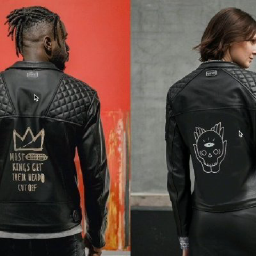
Inland Leather
Inland Leather specializes in handcrafted leather goods including belts, wallets, bags, and accessories made from high-quality leather using traditional techniques. They are notable for their focus on durability, timeless design, and American craftsmanship, appealing to customers who value premium quality and sustainable, long-lasting leather products.
Leather that gets better with every year you wear it
Visit site

American Hat Makers
American Hat Makers specializes in handcrafted hats, including cowboy hats, fedoras, and other classic styles made with traditional techniques and quality materials. They are notable for their commitment to domestic manufacturing, producing authentic American-made hats for customers who value craftsmanship and heritage over mass-produced alternatives.
Handcrafted American hats where tradition meets timeless style
Visit site

Blueduckshearling
Blueduckshearling specializes in premium shearling clothing and accessories, including jackets, coats, boots, and hats crafted from high-quality sheepskin and wool materials. They are notable for creating luxurious, durable outerwear that appeals to customers seeking authentic, artisanal craftsmanship and timeless style in their cold-weather wardrobe.
Authentic sheepskin crafted for timeless warmth and effortless luxury
Visit site