18 brands to discover.

FunnyFuzzy
FunnyFuzzy is a digital-only pet-lifestyle label that focuses on washable, design-forward dog bedding, blankets, car-seat covers, robes and matching human-pet loungewear. Most items sit in the US $35-$90 band, placing the brand squarely in the mid-range bracket between big-box basics and luxury pet boutiques; occasional novelty bundles or oversized sofa-protector throws edge toward $120. Everything is sold exclusively through funnyfuzzy.com with global shipping from U.S. and Asian fulfillment hubs; no brick-and-mortar presence or third-party marketplace listings are maintained.
The company’s core hook is “home décor first, pet function second”: every piece comes in curated, seasonal color palettes meant to coordinate with modern living-room textiles, and every cover is fully machine-washable with hidden zippers and durable, OEKO-TEX-certified cotton-poly blends. Their best-known SKU is the 3-in-1 Waterproof Sofa Cover that doubles as a dog blanket and car seat liner; it routinely appears in “top 10” pet-gear round-ups and drives half of site traffic through viral TikTok demos showing muddy Labs shaking on a white couch that wipes clean afterward.
Shoppers are 25-45-year-old millennial and Gen-Z renters or new homeowners who treat dogs as roommates, value Instagram-ready interiors, and prefer ethical, small-batch production over big-box anonymity. They buy because the patterns match their throw pillows, the fabrics survive repeated sanitize cycles, and the brand voice uses humor—product names like “Couch Potato” and “Fur-tress”—that aligns with a lighthearted, pet-centric lifestyle.
FunnyFuzzy competes in the crowded “direct-to-consumer soft goods for pets” space against low-price Amazon fleece blankets and high-end designer dog sofas; it differentiates by merging interior-design aesthetics with mid-tier pricing, offering cohesive seasonal drops rather than one-off SKUs, and backing every order with a 30-day “no-questions, even-if-chewed” refund policy that larger marketplaces rarely match.
Your sofa stays pristine, your pup stays cozy, your room stays Instagram-worthy
Visit site
Smallable
Smallable is a digital-first lifestyle retailer that stocks children’s fashion (newborn-16Y), maternity wear, contemporary womenswear, men’s capsule pieces, and design-led furniture, décor and toys. 70 % of the 900+ labels are mid-range (€40-€200 for kidswear, €150-€600 for furniture), with a premium designer tier that can reach €1 200 for statement furniture or runway mini-me pieces. The company operates only online through smallable.com, shipping to 150 countries from a 9 000 m² Paris warehouse; there are no standalone stores, although a permanent corner is maintained in Le Bon Marché Rive Gauche.
Curated “mini-boutiques” and exclusive capsule collections (Bobo Choses x Smallable, Oeuf NYC “Smallable Edition” cot) give the site the feel of a concept store rather than a multi-brand warehouse. The in-house styling and print magazine “Smallable Journal” translate Scandinavian minimalism, Japanese craft and eco-modernism into shoppable editorial, reinforcing the positioning “design for the whole family.”
Core customers are 25-45-year-old urban professionals, often architects, creatives or media workers, who want ethically made, aesthetically coherent items for their children and homes. They value sustainability certificates (GOTS, FSC), gender-neutral palettes and longevity—products that can be passed to siblings or resell at high retention on the site’s “Second Life” marketplace.
Smallable competes with other curated family concept sites and premium childrenswear e-tailers by offering the broadest cross-category assortment (kid, parent, home) under one aesthetic umbrella, reinforced by private-label basics that fill gaps between third-party collections. Its loyalty program, carbon-offset delivery and rigorous curation of emerging eco-labels differentiate it from both fast-fashion childrenswear chains and luxury department-store children’s floors.
Design-led family living, curated with care from birth to home
Visit site
Playnox
Playnox.net is an online-only store that focuses on licensed and themed gaming peripherals and collectibles: RGB keyboards, console controllers, headsets, mousepads, resin character statues, and limited-run wall art. Most SKUs sit in the mid-range price band (US $40-$120), with occasional premium collector editions above $200; nothing is positioned as bargain-bin. All sales flow through the brand’s own storefront and regional warehouses in the U.S. and EU; no physical retail presence is listed.
The company’s hook is day-one, officially licensed artwork from indie and AA video-game studios that rarely receive mass-market merch. Drops are numbered, shipped with certificate cards, and never restocked once the counter hits zero, creating a scarcity model that keeps resale prices high. Their best-known line is the “PixelForge” mechanical keyboard series that embeds 8-bit game sprites in the keycap legends—each set is tied to a specific title’s soundtrack and ships with a download code for the lossless OST.
Customers are 18-35 PC and Switch gamers who value game culture nostalgia and want hardware that doubles as display art. They follow indie devs on Steam, back Kickstarters, and treat setups as streaming backdrops, so matching aesthetics and exclusivity outweigh raw specs. Sustainability and ethical manufacturing are not primary motivators; rarity and fandom authenticity are.
Playnox competes in the crowded gaming accessory space against value-engineered generics on one side and luxury “esports pro” gear on the other. It sidesteps both by leveraging small-studio IP rights and micro-batch production, offering collectibles that can’t be found on bigger marketplaces while still delivering functional peripherals—effectively merging merch and hardware into one SKU.
Your indie game obsession finally has hardware worthy of it
Visit site
Toyday
Toyday retails traditional, mostly wooden toys and pocket-money novelties: spinning tops, marbles, skipping ropes, jack-in-the-boxes, wooden trains, hobby horses, puzzles, and classic board games. Price points sit in the budget-to-mid range, with two-thirds of items between £3 and £25 and only a handful of handmade pieces above £40. Sales are 95 % online through toyday.co.uk; the company closed its last physical shop in 2020 but still supplies a small network of museum gift shops and heritage attractions.
The brand’s USP is a tightly curated catalogue of “pre-digital” toys that are CE-tested and largely UK-sourced from small turners, rope-works and family-owned factories. Best-known lines include their rainbow-striped “Playground” skipping ropes, tin-plate clickers sold in tens of thousands, and a re-issue of the 1950s “London” wooden yo-yo stocked by the Victoria & Albert Museum shop. Toyday positions itself as an antidote to plastic, battery-heavy playthings, emphasising tactile materials and open-ended play.
Core buyers are 30-45-year-old parents and grandparents who value screen-free childhoods, eco-friendly materials and nostalgic design; 60 % of orders include a gift-wrap option and personal message. Teachers and child-minders also bulk-buy for classrooms, attracted by durability and low unit prices under £10.
Toyday competes with mass-market toy chains, eco-boutique wooden brands, and Amazon marketplace sellers. It differentiates through depth of heritage range (over 300 SKUs unavailable in supermarkets), carbon-neutral UK shipping, and low minimum-order free delivery, undercutting boutique rivals while retaining ethical credentials mainstream chains lack.
Wooden toys that spark imagination, not screens
- Sustainable
- Handmade
- Independent
- Ethical
Visit site
My Joy
My Joy sells women’s and children’s apparel, accessories, and small home décor items priced in the mid-range tier: adult dresses $70-$140, kids’ sets $30-$60, throws and pillows $40-$90. Distribution is e-commerce first through myjoyworld.com, augmented by periodic pop-up shops in Los Angeles and Dallas and a wholesale capsule sold in about 120 specialty boutiques across the U.S. and Canada.
The brand is built around original, hand-painted prints produced in limited runs of 150-400 units per colorway; every textile is digitally printed on certified organic cotton in California and sewn within a 30-mile radius of downtown L.A. Their “Artist Series” collaborations with illustrators such as Leah Duncan and Bodil Jane have become collectible drops that sell out in hours and are resold at 1.5-2× retail on secondary markets.
Core buyers are design-conscious mothers aged 25-40 who want cohesive, photogenic outfits for themselves and their children without resorting to fast fashion; they value visible artistry, small-batch transparency, and the ability to support local manufacturing. The brand’s Instagram-heavy community (#myjoymamas) trades styling tips and second-hand pieces, reinforcing a lifestyle narrative of creative, playful motherhood.
My Joy competes in the crowded “artisanal family lifestyle” segment against labels that also pair bold prints with ethical sourcing; it differentiates by keeping the entire print-to-garment process inside California, releasing new artwork monthly rather than seasonal collections, and offering a resale credit program that rewards customers for returning outgrown kids’ pieces to be re-dyed and re-circulated.
Art you can wear, made where you live, shared with your people
Visit site
Damiensaber
Damiensaber specializes in high-end custom sabers inspired by science-fiction franchises, offering empty hilts, installed electronics, and fully combat-ready blades. Prices run from roughly $200 for an empty hilt to $1,500+ for neopixel, proffie-equipped installs, placing the brand in the premium collector segment. All sales flow through the single Shopify site damiensaber.com; no physical retail network is listed.
The company’s standout promise is “your saber, your way”: every hilt can be configured for diameter, finish, chassis type, soundboard, and blade style, with real-time 3D previews before checkout. Lead times of 4–6 weeks are normal because each unit is machined, weathered, and wired to order in California. Their flagship “Archon” and “Reaver” neopixel lines are frequently showcased in fan-film shorts and have become reference builds on Reddit’s lightsaber subreddit.
Core buyers are 18-40-year-old cosplayers, stunt-choreography groups, and display collectors who value screen-accurate dimensions plus modern electronics over mass-market toys. The brand appeals to makers who want a unique hilt without learning CAD or soldering, and to fans who prioritize ethical U.S. labor and responsive post-sale support.
Damiensaber competes with small-machine-shop saber smiths and Asian OEMs that sell pre-built neopixel sabers. It differentiates by merging boutique-level customization (individual serial numbers, laser-engraved logos, choice of emitter windows) with domestic turnaround, transparent component sourcing, and lifetime electronics warranty—services bulk importers rarely match.
Your vision, machined in California, delivered ready to wield
Visit site
Loveplay Org
Loveplay Org retails a curated line of eco-friendly intimate-care and sexual-wellness products: water-based lubricants in refillable glass, plant-oil massage candles, medical-grade silicone toys, and biodegradable accessories. Price points sit in the mid-range band (£12-£45 per item), making sustainable intimacy attainable without premium mark-ups. Sales are online-only through loveplay.org.uk, supported by discreet UK-wide shipping and a subscription refill option for core liquids.
The brand’s USP is planet-first design: every SKU is vegan, cruelty-free, packaged in glass, tin or home-compostable bioplastic, and shipped carbon-neutral. Their “closed-loop” scheme gives customers freepost labels to return glass bottles for sterilisation and reuse. The best-known line is the ReLove lubricant trio, formulated without glycerin or parabens and stocked in refill stations at zero-waste pop-ups across London.
Core buyers are 25-40-year-old UK millennials who identify as eco-conscious, sex-positive and willing to swap mainstream chemist brands for ethical alternatives. Purchasers value transparency—full ingredient lists, factory photos and impact metrics are published for each batch—and prioritise pleasure products that align with low-waste, cruelty-free lifestyles.
Loveplay competes in the crowded sexual-wellness aisle against both high-street pharmacy staples and luxury gadget start-ups; it differentiates by coupling certified-sustainable materials with mid-tier pricing and circular packaging, a combination larger legacy brands have yet to scale.
Pleasure that feels as good as it does for the planet
- Sustainable
- Ethical
- Vegan
- Cruelty-free
Visit site
Anifurry
Anifurry sells faux-fur outerwear and accessories for adults and children: hooded parkas, vests, trapper hats, mittens, scarves, and pet coats. Most pieces use high-pile vegan “teddy” or “plush” fur laminated to wind-blocking shells. Prices sit in the mid-range tier—jackets USD 149-219, hats/mitts USD 39-59—sold exclusively through anifurry.com with free global shipping and periodic 20-30 % markdowns.
The brand’s calling card is 100 % animal-free “fur” that visually mimics real mink or fox but is machine-washable and 40 % lighter; many styles are reversible to water-resistant nylon. Their best-known line is the “Arctic Series” parkas rated to –4 °F/–20 °C, distinguished by oversized hoods, elastic cinched waists, and 12 colorways updated each fall. All items ship in recyclable kraft boxes with reusable canvas totes, reinforcing a cruelty-free, low-waste stance.
Core buyers are women 18-40 in North America and northern Europe who want statement winter texture without animal products and post outfit photos on Instagram/TikTok. Customers value ethical fashion, travel-friendly packability, and the ability to stand out in monochrome winter cities while staying warm walking dogs or commuting.
Anifurry competes in the crowded vegan outerwear space against DTC labels using recycled polyester fill and against fast-fashion faux-fur collared coats. It differentiates by focusing solely on luxe faux-fur silhouettes, offering sub-$200 thermal performance, and marketing through user-generated “fur-free” hashtags rather than traditional lookbooks.
Luxe faux fur that photographs like mink, washes like cotton, weighs like nothing
- Recycled
- Ethical
- Vegan
- Cruelty-free
Visit site
Okto Clay
Okto Clay sells small-batch polymer-clay jewellery and accessories—earrings, pendants, hair clips and brooches—priced £12-38, sitting in the affordable-to-mid bracket. Everything is handmade in their UK studio and sold mainly through the brand’s own Shopify site; occasional weekend pop-ups and selected independent boutiques provide limited offline reach.
The line is built around millefiori caning: intricate, graphic patterns sliced from hand-rolled clay logs, so every piece is one-of-a-kind yet instantly recognisable as Okto. Collections are released in colour-story “drops” rather than seasonal lines, and the brand’s lightweight statement earrings have been featured in both British Vogue and the Etsy Design Awards shortlist.
Core buyers are 20-40-year-old women who want colour-forward, guilt-free accessories: plastic-free packaging, vegan materials, nickel-free findings and carbon-neutral shipping align with their eco-ethical values. The playful, art-school aesthetic fits creative-industry dress codes and Instagram outfit posts without the markup of precious metals.
Okto competes in the crowded “affordable artisan jewellery” space dominated by laser-cut acrylic and plated-metal brands; it differentiates by using an analogue, clay-based craft that yields vivid patterning impossible to replicate by machine. Its small-batch drop model and transparent maker story create scarcity and trust, letting it occupy the niche between mass-produced fast-fashion accessories and higher-priced precious-metal indie designers.
Handmade clay patterns so vivid, they feel like wearable art
- Handmade
- Independent
- Ethical
- Vegan
Visit site
Nerdchicboutique
Nerdchicboutique is a strictly e-commerce accessories and apparel label that focuses on pop-culture jewelry, enamel pins, graphic tees, leggings, and small leather goods priced $8-$45, squarely in the budget-to-mid-range bracket. Limited-run drops and preorder bundles are released weekly through the Shopify site; no physical storefronts or third-party marketplaces are used.
The brand’s signature is turning 8-bit video-game sprites, anime icons, STEM symbols, and retro-cartoon colorways into minimalist, everyday-wear pieces—think rose-gold lightning-bolt studs or high-waisted “Player 2” yoga leggings—produced in runs of 100-300 units to keep designs scarce. Its best-known “Quarter Quest” enamel pin series, packaged like arcade tokens, routinely sells out within hours and trades at 3-4× retail on collector forums.
Core buyers are women 18-34 who identify as gamers, engineers, or comic-con regulars and want fandom pieces subtle enough for the office yet recognizable at cons. They value inclusive sizing (XS-4X), eco-friendly water-based inks, and the brand’s openly feminist social media voice that spotlights female and non-binary creators.
Rather than compete with fast-fashion giants or high-end “geek couture” labels, Nerdchicboutique occupies the white space between mass-market loot-crate trinkets and $200 designer collaborations: limited, design-driven drops, ethical small-batch production, and a community-first preorder model that rewards repeat customers with early access and voting rights on future prints.
Fandom gets the office job when you shop limited drops here
Visit site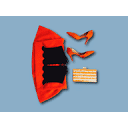
Milanblocks
Milanblocks is a direct-to-consumer accessories label that focuses on handmade women’s handbags, evening clutches, and small leather goods. Most pieces sit in the mid-range bracket, typically USD 120–350, with occasional pearl- or crystal-covered evening bags topping USD 450. The brand sells exclusively through its own Shopify-powered site and ships worldwide from its U.S. warehouse.
Every bag is produced in limited runs at the company’s Guangzhou atelier, where artisans hand-bead, hand-paint, or hand-weave each panel; this “slow-batch” approach lets Milanblocks release new colors weekly without holding large inventory. Signature items include the rigid acrylic “Milan” box clutch offered in 40+ acrylic finishes and the convertible bamboo-handle “Palma” tote that reverses from linen to vegan leather.
Core buyers are 25-45-year-old professional women who attend weddings, races, or cocktail events and want a conversation piece that photographs well for social media. They value ethical small-batch production, individual expression over mainstream logos, and the ability to customize hardware or monograms within a 10-day lead time.
Milanblocks competes in the accessible-luxury occasion-bag segment populated by contemporary labels that bridge fast fashion and heritage European houses. It differentiates through true handcraft, weekly micro-drops, and made-to-order tweaks delivered in under two weeks—speed and personalization levels the bigger heritage brands rarely match at a similar price.
Handmade bags that arrive before your next event, customized just for you
Visit site
Peluche Kingdom
Peluche Kingdom is a mid-range online-only retailer specializing in licensed and original plush toys, with most SKUs priced between US $25 and $80. The catalog spans Disney, anime, kawaii and wildlife collections plus 30 cm–120 cm “giant” plushes, seasonal gift bundles and limited-edition drops released monthly. All inventory ships from U.S. and EU warehouses; same-day dispatch is offered on orders placed before 2 p.m.
The site positions itself as a curator of “collector-grade softness,” photographing every plush with millimeter-scale detail tags and offering a 90-day shape-retention guarantee. Notable lines include the 1-meter “Mega Snuggle” series and the glow-in-the-dark “Luna Pals” that sold out 5,000 units in 48 hours. Product pages list exact stitch count, filler density and safety certifications, data rarely disclosed by mainstream toy sites.
Core buyers are 18-35-year-old anime fans, Disney adults and parents who want nursery décor that doubles as display pieces; TikTok unboxings drive 42 % of traffic. Shoppers value accurate licensing, ethical production (OEKO-Tex cotton, recycled fill) and the ability to preorder upcoming characters without aftermarket mark-ups.
Peluche Kingdom competes with mass-market toy chains, boutique kawaii importers and Amazon resellers. It differentiates through strict edition limits, transparent sourcing data, oversized options rarely stocked elsewhere, and loyalty perks such as free re-stuffing within two years.
Collector-grade softness that stays perfect, shipped fast, never mass-produced
Visit site
Monkeetree
Monkeetree is an online-only store that sells artist-designed plush toys, limited-run resin art figures and matching apparel/accessories. Most items sit in the mid-range price band—plush run $35-60, resin figures $90-140 and tees/hoodies $28-78—and drops sell out in minutes via the brand’s own site with no wholesale distribution.
The brand’s hook is its rotating “tree” of simian characters; each month a new colorway or species is revealed in story-driven drops that include a short comic, enamel pin and numbered art card. Every plush is embroidered with the drop date and production run, turning stuffed animals into collectible art pieces that routinely resell above retail.
Core buyers are 18-35-year-old pop-culture collectors who follow designer-toy Instagram accounts and queue for blind-box releases; they value scarcity, narrative packaging and display-worthy softness. Parents and gift-givers overlap the base, drawn to ethically manufactured, child-safe plush that still feels like an artist piece rather than mass-market merchandise.
Monkeetree competes in the crowded “art toy” space populated by vinyl blind-box labels and boutique plush start-ups, but differentiates through cohesive monkey lore, monthly story arcs and lower edition sizes (200-600 units versus thousands). By keeping everything in-house—design, web sales and fulfillment—it controls drop timing, avoids platform fees and maintains the FOMO cycle that sustains secondary-market buzz.
Collect monkey stories that become art you actually wear and display
Visit site
Alpha Weebs
Alpha Weebs is an online-only retailer that sells anime-themed streetwear and lifestyle accessories. Core categories include graphic T-shirts, hoodies, snapbacks, enamel pins, and wall scrolls priced in the $20-$60 mid-range band. Limited-edition drops and monthly subscription crates push occasional items above $100, but most SKUs stay under $50.
The brand’s identity is built on officially licensed artwork from currently airing titles, translated into minimalist, city-ready silhouettes rather than cosplay gear. Their “Stealth Weeb” collection—tonal kanji prints and inside-collar references—lets fans signal fandom without loud graphics, while 300-piece capsule drops sell out in under 10 minutes. Every release is paired with a short anime-style promo clip shot in Tokyo, reinforcing authenticity.
Customers are 18-30-year-old North American and Western European anime viewers who want everyday pieces that work in classrooms, offices, or sneaker conventions. They value subtle flexing, limited-run scarcity, and ethical 100% cotton blanks; Reddit and Discord communities drive 40% of traffic through user-generated fit pics and drop alerts.
Alpha Weebs competes with fast-fashion anime tees and import sites that sell cheaper, lower-quality goods. It differentiates through licensed exclusives, premium blanks, drop-model scarcity, and storytelling content that positions the label as a streetwear brand first, anime merch second.
Anime fandom that actually looks good in real life
Visit site
A Rocket Above
A Rocket Above sells limited-run streetwear and art objects: graphic hoodies, heavyweight tees, enamel pins, and small-batch screen-printed posters. Most pieces sit in the $38-$120 band—mid-range pricing that sits above fast-fashion but below luxury drops. Everything releases through the brand’s own Shopify site; no wholesale accounts or brick-and-mortar stockists, so sell-outs happen in minutes.
The label’s hook is NASA-era ephemera re-imagined with DIY punk graphics—think shuttle schematics over tie-dye or mission patches embroidered onto recycled cotton. Every drop is numbered, never restocked, and ships with a matching “flight log” postcard signed by the founder, turning garments into collectible artifacts. Their 2021 “STS-51L” hoodie, referencing Challenger debris patterns, now resells for 4× retail.
Core buyers are 18-34 creative-class males who follow sneaker cook groups and space-history subreddits; they value scarcity, scientific nostalgia, and ethical production (garments are cut-and-sewn in L.A. with organic cotton). Wearing A Rocket Above signals both archival nerd-dom and street-culture fluency without mainstream logos.
They occupy the same niche as micro-drop streetwear labels that trade on science or military references, but differentiate by keeping editions under 300 units and donating 10 % of each launch to the Planetary Society, aligning commerce with space-exploration advocacy.
Wear history before it sells out and becomes legend
Visit site
Toby Tiger
Toby Tiger specializes in organic, ethically-produced clothing and accessories for babies and toddlers, featuring vibrant prints and playful designs. The brand is notable for its commitment to sustainable practices and fair-trade manufacturing, appealing to environmentally-conscious parents seeking quality, colorful pieces for their young children.
- Sustainable
- Organic
- Ethical
Visit site
Fig For Kids
Fig For Kids sells organic, sustainably-sourced children's clothing, accessories, and lifestyle products designed with eco-conscious families in mind. They're notable for their commitment to environmental responsibility and fair-trade practices, appealing to parents who prioritize sustainable and ethical products for their children.
Dress your child in organic goodness without compromising the planet
- Sustainable
- Organic
- Ethical
Visit site
Ethical Superstore
Ethical Superstore sells sustainable clothing, home goods, and eco-friendly products made from organic and recycled materials. They're notable for making ethical fashion and sustainable living accessible to mainstream consumers who want to reduce their environmental impact without compromising on style or quality.
Look good, live better, save the planet without sacrifice
- Sustainable
- Recycled
- Organic
- Ethical
Visit site