17 brands to discover.
Inklingsbaby
Inklingsbaby sells eco-friendly baby and toddler goods centered on reusable cloth diapers, swim diapers, and coordinating accessories such as wet bags, changing mats, and bandana bibs. Most items are sewn from recycled polyester or OEKO-Tex cotton and retail in the mid-range: pocket-style diapers run $22–26, swim diapers $18, and bundles $55–110. Distribution is DTC through inklingsbaby.com with periodic drops on Amazon Handmade and select natural-parenting boutiques.
The brand’s signature is artist-commissioned, limited-edition prints that turn diapers into collectible “wearable art”; past collaborations include museum-licensed Van Gogh and contemporary watercolor motifs. All products are CPSIA-compliant, ethically manufactured in small Chicago-run factories, and shipped plastic-free. Their “Kindness” recycling program accepts back outgrown diapers for store credit, reinforcing circularity.
Core buyers are millennial design-minded parents who post in cloth-diaper forums, value sustainability metrics, and treat diapering as an extension of personal style. They appreciate predictable restock schedules, transparent fabric sourcing, and gender-neutral palettes that photograph well for social media. The brand also attracts gift-givers seeking registry items that look boutique yet perform daily.
Inklingsbaby competes in the crowded modern-cloth-diaper space against mass-produced pocket brands and luxury organic fitteds. It differentiates through small-batch art prints, U.S. production, mid-tier pricing, and a community-driven design vote that keeps releases fresh without fast-fashion waste.
Diapers that are wearable art, made to last and give back
- Sustainable
- Recycled
- Handmade
- Organic
- Ethical
Visit site
Organic Dream
Organic Dream sells certified-organic mattresses, pillows, sheets, and adjustable bed bases made from GOLS latex, GOTS cotton, and wool; prices run mid-range to premium ($1,199–$3,999 for queen mattresses). Accessories such as mattress protectors, baby crib pads, and yoga bolsters round out the assortment. The company is primarily e-commerce through organic-dream.com, with a single showroom in Los Angeles and nationwide white-glove delivery.
All finished goods are manufactured in California and carry USDA, GOTS, and GREENGUARD Gold certifications; every mattress is shipped compressed in plastic-free kraft cartons. The brand’s flagship 11" Botanical Bliss latex mattress is marketed as fully customizable—owners can rearrange internal latex layers to adjust firmness. A 25-year warranty, 100-night trial, and carbon-neutral shipping program reinforce the premium positioning.
Core customers are health-conscious homeowners aged 30-55 who prioritize chemical-free bedrooms and are willing to pay for third-party certifications; many are parents, allergy sufferers, or wellness enthusiasts following organic lifestyles. Marketing emphasizes transparency, ingredient traceability, and sleep-health education rather than luxury aesthetics.
Organic Dream competes in the crowded online “bed-in-a-box” sector against both synthetic memory-foam brands and mainstream latex hybrids. It differentiates through 100% certified-organic components, U.S.-based artisan assembly, and the ability to swap layers instead of returning an entire mattress, reducing waste and long-term ownership costs.
Sleep on what you know is truly clean
Visit site
Babysteps
Babysteps.site is an online-only baby-goods shop that focuses on two core lines: soft-sole leather crib shoes (sizes 0-18 m) and coordinating organic-cotton layette sets. Most items sit in the mid-range, with shoes at USD 28-34 and bodysuit bundles around USD 45-55; limited-edition prints push the top of the range to about USD 70. Everything is sold exclusively through the brand’s own site; no marketplaces or brick-and-mortar stockists are listed.
The label’s selling point is “foot-friendly fashion”: each shoe is handmade from chrome-free goat leather with an elasticized ankle that stays on without marks, tested by pediatric podiatrists for healthy foot development. Their seasonal drops—usually four per year—feature small-run watercolor prints created by freelance illustrators, giving parents collectible designs that routinely sell out within days. Every shipment arrives in plastic-free, plant-based mailers printed with soy ink, reinforcing the eco pledge.
Customers are design-conscious millennial parents who want Instagram-ready baby outfits but refuse to compromise on safety or sustainability. They value evidence-based development benefits, transparent sourcing, and the ability to buy from a small, mom-owned studio rather than a mass chain.
Babysteps competes in the crowded niche of boutique infant footwear and organic apparel by combining medical endorsement with artist-driven aesthetics and a strict direct-to-consumer model that keeps prices below premium European labels while offering quicker restocks than typical Etsy sellers.
Handmade leather shoes that look as good as they feel on tiny feet
- Sustainable
- Handmade
- Organic
Visit site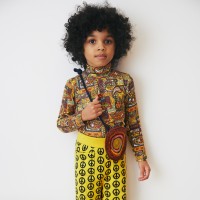
Misha And Puff
Misha & Puff sells hand-knitted children’s apparel and accessories sized newborn-12 years. Core categories are merino wool sweaters, dresses, bonnets, booties, and limited-edition seasonal sets; prices sit in the premium tier with sweaters $110-$190 and full outfits $200-$350. The brand is direct-to-consumer through its own e-commerce site and releases collections in weekly “drops” that routinely sell out within hours.
Every piece is hand-loomed by artisan groups in Peru using sustainably sourced Pima cotton and merino, often featuring hand-embroidered motifs or hand-dyed colors that vary slightly from batch to batch. This small-batch, craft-led approach and transparent maker stories position the label as heirloom-quality “slow fashion” for kids. Signature items—bubble pants, popcorn-stitch cardigans, and color-blocked “ski” sweaters—command high resale value on secondary markets.
Buyers are design-conscious parents, largely U.S.-based mothers aged 28-40, who value natural fibers, ethical production, and gender-neutral palettes that photograph well for social media. They embrace a minimalist, Montessori-inspired aesthetic and are willing to pay premium prices for durable, story-rich garments that can be handed down.
Misha & Puff competes in the elevated artisanal kids’ niche against other small-batch, natural-fiber labels. It differentiates through Peruvian artisan partnerships, extremely limited quantities that create scarcity, and a cohesive vintage-handknit visual language that is instantly recognizable in lifestyle photography.
Hand-knitted in Peru, designed to last generations and photograph beautifully
- Sustainable
- Handmade
- Ethical
Visit site
HoneyBug
HoneyBug is an e-commerce boutique that curates baby and toddler apparel, accessories, gifts and décor, stocking mostly small-batch, indie and organic labels. Price points sit in the mid-range tier: bodysuits and leggings run $18-34, knit sweaters $40-58, and curated gift bundles land between $45-120. The company operates exclusively online at shophoneybug.com and ships throughout the U.S.; no brick-and-mortar stores are maintained.
The site’s distinction lies in its tightly edited, Instagram-ready assortment of neutral, earth-tone palettes and gender-neutral silhouettes that photograph well for modern parents. Best-known collections include their organic bamboo zipper sleepers, hand-knit bonnets sourced from Peruvian artisans, and ready-to-ship “Baby Gift Boxes” packaged in keepsake kraft chests. Every product page lists fiber content, origin and care instructions, underscoring a transparency promise.
Core shoppers are design-conscious millennial and Gen-Z parents, baby-shower gift-givers and photographers seeking minimalist, “non-cutesy” staples. They value sustainability, small-brand storytelling and the convenience of one-cart gifting with complimentary handwritten notes.
HoneyBug competes in the crowded online baby boutique space against sites that aggregate similar indie labels. It differentiates through faster fulfillment (most orders ship within 24 h), cohesive neutral color curation that simplifies outfit coordination, and gift-ready packaging that removes the need for secondary wrapping services.
Thoughtfully curated neutral essentials that photograph beautifully and gift effortlessly
- Sustainable
- Handmade
- Organic
Visit site
Neevababy
Neevababy specializes in organic cotton infant and toddler apparel sized 0-24 months, plus matching accessories and soft toys. Core lines include kimono gowns, footed rompers, swaddles, and milestone blankets priced ₹699-₹2,499, placing the brand in the mid-range tier. Sales are handled exclusively through the Shopify-powered site and domestic marketplaces such as FirstCry and Amazon India.
The label promotes “seed-to-skin” traceability: GOTS-certified cotton sourced from co-op farms in Gujarat, ayurvedic herbal dyes, and plastic-free coconut-shell buttons. Their best-known “Earth Baby” collection ships in reusable muslin pouches and has been featured by several eco-parenting influencers for its undyed oatmeal hue and hand-block prints.
Primary buyers are urban millennial parents aged 25-35 who follow sustainable-living accounts and want toxin-free fabrics against newborn skin. Purchasers value transparency tags that list the farm, dye house, and artisan group behind each garment, aligning with a slow-parenting, minimalist aesthetic.
Neevababy competes with mass-market organic labels that rely on standardized pastels and heavy discounting; it differentiates through small-batch production runs, natural colorways, and storytelling that spotlights Indian craft clusters. By limiting SKUs and releasing seasonal drops announced via WhatsApp, the brand sustains lower return rates and higher repeat purchases than price-driven competitors.
Organic cotton from Gujarat farms, wrapped in stories you can trust
- Sustainable
- Handmade
- Organic
Visit site
Curatedhive
Curatedhive is an online-only lifestyle marketplace that aggregates small-batch home décor, artisanal pantry goods, personal-care items and giftable objects, with most SKUs priced between $18 and $120—squarely in the mid-range tier. The catalog rotates weekly, drops are limited quantity, and everything ships from the brand’s Los Angeles fulfillment hub.
The platform functions like a digital pop-up: every maker is vetted for sustainable materials and low-minimum production runs, then given a story-driven storefront page that links raw ingredients, origin maps and maker videos. Shoppers can “follow” individual artisans to receive restock alerts, a feature that has turned the hand-poured concrete planter collection and small-roast coffee bundles into repeated sell-outs.
Core buyers are 25-40-year-old design enthusiasts who value provenance over logos, post apartment make-ups on Instagram, and treat purchases as micro-investments in independent craftspeople. They favor Curatedhive because it replaces flea-market hunting with one checkout, carbon-neutral shipping and gift-wrap that looks editorial.
Curatedhive competes with larger curated-marketplace apps and flash-sale home sites by limiting SKUs to under 500 at any time, ensuring each product has a measurable sustainability credential and a living wage backstory; the tight inventory creates scarcity while the unified cart removes the friction of buying from multiple micro-shops.
Discover independent makers worth following, one carefully chosen piece at a time
- Sustainable
- Handmade
- Independent
Visit site
bubs & sass
Bubs & Sass sells hand-made, small-batch baby and toddler apparel sized 0-24 m, plus matching adult “mini-me” tees and limited seasonal accessories. Price points sit in the mid-range: most onesies and rompers run $28-$38, adult tees $34-$42, with occasional premium bundles around $60. Sales are 100 % direct-to-consumer through bubsandsass.com; drops are announced on Instagram and typically sell out within hours.
The brand’s USP is its irreverent, tattoo-flash-inspired graphics—think skulls, snakes and roses—printed on ultra-soft, eco-water-based inks on GOTS-certified organic cotton. Every piece is cut, sewn and screen-printed in Austin, TX in runs of 200 or fewer, creating collectible drops that resell on Facebook groups for 1.5-2× retail. Their “Rebel Roses” monochrome floral set is the most reposted look on social media and routinely wait-listed.
Core buyer is 25-40 y/o urban millennial parents who identify with alt-culture, value small-batch ethics and want kids’ clothes that reject pastels and gender norms. Purchases are driven by Instagram aesthetic, eco credentials and the desire to twin with toddlers at concerts, breweries or tattoo conventions.
They compete against indie graphic baby labels and larger fast-fashion mini-lines that copy trends. B&S differentiates through limited Texas-made runs, organic fabrics, dark-art graphics and a tight Instagram community that treats each drop like a streetwear release.
Rebel graphics, organic cotton, drops that sell out before bedtime
Visit site
Strainz
Strainz sells hemp-derived cannabinoid tinctures, softgels, topicals and pet formulas in strengths from 300 mg to 12,000 mg per bottle. Price points run mid-range to premium: human tinctures $49–$199, pet line $29–$89. All commerce is DTC through strainz.com with subscription discounts; no retail storefronts are operated.
The company positions itself on pharmacist-formulated, USA-grown hemp processed in cGMP facilities and triple-lab tested for potency, pesticides and residual solvents. Its flagship “Ratio Series” pairs CBD with CBG, CBN or CBC in calibrated blends, while the “Strainz Pets” line is chicken-flavored and THC-free. Every product carries a scannable QR code linking to the exact COA batch report.
Core buyers are 30-55-year-old wellness seekers managing stress, sleep or recovery without psychoactive cannabis; pet owners choose the brand for vet-advised, non-intoxicating support. Customers value transparent lab data, consistent minor-cannabinoid ratios and U.S. Hemp Authority certification.
Strainz competes in the crowded online CBD wellness space against mass-market isolate brands and artisanal full-spectrum labels. It differentiates through high-milligram, minor-cannabinoid ratio SKUs, medical-advisory board credentials and a single-site supply chain that keeps premium formulations priced below boutique competitors while exceeding basic ISO safety standards.
Pharmacist-formulated ratios you can actually verify with a scan
Visit site
Faire Wholesale
Faire is a B2B wholesale marketplace that connects independent retailers and small businesses with artisan makers, vintage dealers, and emerging brands offering unique home décor, clothing, jewelry, and lifestyle products. They're notable for democratizing wholesale access for small retailers who traditionally couldn't compete with large chains, making it easier for independent shop owners to source distinctive, handcrafted inventory at wholesale prices.
Where indie retailers find the artisan inventory that sets them apart
Visit site
The Dairy Fairy
The Dairy Fairy specializes in artisanal dairy products and high-quality accessories designed for cheese and dairy enthusiasts, including cheese boards, storage solutions, and gourmet dairy items. They're notable for curating premium, often locally-sourced dairy products and beautiful serving pieces that appeal to food lovers, entertaining hosts, and those seeking to elevate their dairy experiences.
Where artisanal cheese meets beautiful entertaining, magic happens
Visit site
Jacaranda Living
Jacaranda Living sells garden supplies, outdoor equipment, and patio products through jacarandaliving.com. The brand distinguishes itself with sustainability commitment, artisan craftsmanship, and independent brand status. People search for Jacaranda Living alternatives when they want different price points, more specialized equipment, or products better suited for specific climates and spaces.
Handcrafted outdoor living for the sustainably minded gardener
- Sustainable
- Handmade
- Independent
Visit site
The Beaufort Bonnet Company
The Beaufort Bonnet Company specializes in handmade children's clothing and accessories, particularly known for their signature smocked dresses, rompers, and coordinating pieces made from high-quality fabrics. They are notable for creating preppy, timeless designs that appeal to families seeking heirloom-quality children's wear with Southern charm and classic aesthetics.
Heirloom smocked dresses that become treasured keepsakes across generations
Visit site
Tilly's Letters
Tilly's Letters specializes in personalized baby and toddler gifts, flowers, and party supplies designed to create memorable moments for young children and their families. They're notable for their custom, handcrafted approach to gift-giving that allows customers to personalize items with names, dates, and special messages for meaningful keepsakes.
Handcrafted keepsakes that turn precious moments into treasured memories
Visit site
La Petite Creme
La Petite Creme specializes in premium pet treats and gourmet food and beverage products designed for discerning pet owners and food enthusiasts. They are notable for their artisanal approach to creating high-quality, indulgent products that cater to pets and people who prioritize superior taste and ingredients.
Indulgent treats crafted for those who refuse ordinary
Visit site
mustardseedbabe
mustardseedbabe sells baby and toddler products through mustardseedbabe.com. The brand operates as an independent brand, featuring handmade craftsmanship.
Handcrafted baby essentials made with love and intention
Visit site
Woodemon AF
Woodemon AF sells accessories and fashion add-ons through woodemon.com. The brand operates for families, with artisan craftsmanship.
Handcrafted accessories that turn family moments into cherished heirlooms
Visit site