37 brands to discover.

Feelookart
Feelookart.com is an online-only store that focuses on contemporary wall art: ready-to-hang canvas prints, framed posters, and limited-edition giclées. Prices run from $39 for a 12×16 open-edition print to $349 for a 40×60 hand-embellished canvas, placing the brand squarely in the mid-range segment. All fulfillment is drop-shipped from U.S. and EU print partners; no physical galleries or third-party retail placements are used.
The brand’s edge is algorithmic curation: every uploaded photograph or digital painting is color-mapped against current Pinterest and Instagram trend data, then offered in three palette-optimized frames that are guaranteed to match the top-20 interior paint colors for the quarter. A “Seasonal Refresh” subscription lets customers swap prints for 50 % credit, keeping walls on-trend without new purchases. Their best-known line is the “Neo-Geo” collection—abstract geometric canvases that generated a 12-week waitlist after going viral on TikTok décor accounts in 2022.
Core buyers are 25-40-year-old urban renters who treat wall art as a disposable fashion accessory rather than a lifelong investment. They value fast visual impact, apartment-friendly sizing (every piece ships <8 lbs and hangs with included 3M strips), and the ability to redecorate seasonally without landfill guilt. Sustainability messaging—water-based inks, FSC-certified pine frames, prepaid mail-back recycling—reinforces the values of design-savvy, eco-conscious consumers.
Feelookart competes with mass-produced décor print sites on price and with curated indie-art marketplaces on style; it splits the difference by offering trend-driven designs at scale while still paying artists 15 % royalties. Speed is another lever: most rivals quote 7-10 business days, but Feelookart’s distributed print network delivers within 72 hours in 38 states, a logistical edge that keeps impulse shoppers from abandoning cart.
Your walls evolve with your mood, not your budget
Visit site
Bloom
Bloom (bloom.uk.com) sells folding commuter and leisure bicycles, e-bikes, and a curated range of ride-to-work accessories such as helmets, locks and panniers. Price points sit in the mid-range: non-electric folders £550-£750, e-folders £1,250-£1,650, with accessories £20-£120. The brand trades only direct-to-consumer through its own website and a by-appointment test-ride studio in Shoreditch, east London.
The bikes are built around Bloom’s patented 3-fold magnesium frame that collapses to 58 × 66 × 32 cm in under ten seconds and rolls on its own wheels when folded. Every model is spec’d with maintenance-reducing belt drives, puncture-resistant tyres and integrated lights powered by the main battery on e-versions. This combination of ultra-compact fold, belt drive and commuter-focused kit gives Bloom a distinctive “office-ready, no spanner” positioning in the crowded folder market.
Core buyers are 25-45 year-old London professionals who commute by train or flat-share and lack indoor storage space; they value a bike that fits under a desk or in a hallway and arrives ready to ride without oily maintenance. The brand’s visual identity—pastel frame colours, matte finishes and gender-neutral styling—appeals to riders who want utility without looking like “cyclists”; sustainability messaging (recyclable magnesium, plastic-free packaging) reinforces a low-carbon lifestyle choice.
Bloom competes in the niche between mass-market steel folders and high-end titanium or carbon performance folders. It differentiates by offering a lighter, cleaner magnesium frame with belt drive at a mid-market price, bundled with commuter accessories and a five-year frame warranty, all sold exclusively online to keep prices below comparable premium folders while still delivering a showroom-style test-ride option in the capital.
Your bike folds faster than you can make coffee
Visit site
Anygolds
Anygolds is an online-only retailer that sells solid-gold jewelry priced in the mid-range: 10 k, 14 k and 18 k rings, chains, bracelets, earrings and pendants, most pieces falling between $120 and $800. The catalog is organized around everyday staples—paper-clip chains, huggies, signet rings, bar necklaces—offered in yellow, white and rose gold with optional diamond or moissanite accents. All inventory is finished in Los Angeles and drop-shipped directly to consumers; there are no brick-and-mortar stores or wholesale accounts.
The brand’s core promise is “real gold without retail markup,” achieved by keeping designs minimal, using recycled gold, and publishing gram weight and gold-market pricing for every SKU. Shoppers can buy single pieces or build discounted stacks through the “Anygolds Set Builder,” and most items ship in resealable, reusable pouches rather than traditional boxes. The site also runs a 30-day trade-in program that credits 70 % of the original price toward a heavier piece, reinforcing the idea of jewelry as a liquid asset.
Customers are 20-35-year-old professionals who want the permanence of solid gold but won’t pay luxury-brand premiums; sustainability and transparent sourcing are secondary motivators. Many come from Instagram or TikTok styling videos that emphasize mixing Anygolds staples with vintage or designer pieces, reflecting a “quiet luxury” aesthetic that values longevity over logos.
Anygolds competes with direct-to-consumer fine-jewelry startups and the lower-priced lines of established mall retailers. It differentiates by listing live gram weights, using only solid alloys (no gold-filled or vermeil), and maintaining price points 30-40 % below traditional jewelers while still offering new-piece warranties and a buy-back option.
Gold that actually costs what gold should cost
Visit site
StaplesPromo
StaplesPromo.ca is the Canadian B2B e-commerce arm of Staples, focused entirely on custom-branded merchandise and corporate apparel. Core lines include logoed pens, drinkware, tech accessories, trade-show giveaways, uniforms and eco collections, with unit prices spanning roughly C$0.40 to C$200 and most orders landing in the mid-range tier. Sales are online-only through a dedicated site that offers instant quotes, virtual proofs and bulk pricing tiers for orders from 12 to 50,000+ units.
The site leverages Staples’ national supply chain, guaranteeing in-cart inventory visibility and 24-hour production on 1,200+ SKUs. A free one-hour design service, Pantone colour matching and Canada-wide ground shipping in as little as one business day position the brand as the fastest, low-friction option for time-sensitive corporate campaigns. Best-known collections include the “EcoSmart” recycled-pen line and “Tech 3-in-1” charging cables, both stocked in regional distribution centres for same-day imprinting.
Primary buyers are marketing managers, HR teams, small-business owners and nonprofit event planners who need reliable, on-time logo goods without sourcing risk. The brand appeals to value-driven professionals who prioritize speed, transparent all-in pricing and Canadian compliance (bilingual packaging, CSA-friendly apparel).
StaplesPromo competes with promotional-product distributors, boutique custom-goods agencies and office-supply resellers that also sell print services. It differentiates through Staples’ existing national logistics network, real-time inventory tied to corporate purchasing accounts, and the ability to bundle promo orders with everyday office supplies on a single PO—eliminating separate vendor onboarding and freight consolidation headaches.
Your logo, imprinted fast, shipped tomorrow, one simple order
Visit site
Lucenjuri
Lucenjuri is a direct-to-consumer jewelry label that focuses on demi-fine pieces: solid gold, gold-vermeil, and natural-gemstone rings, earrings, necklaces, and bracelets priced USD 60–280. The catalog is organized into stackable rings, birthstone series, and zodiac pendants, with occasional pearl or moissanite drops. Sales are handled exclusively through the lucenjuri.com storefront and its Instagram Shop; no wholesale or marketplaces are used, keeping inventory tight and drops limited to 2–3 micro-collections per year.
The brand positions itself as “astrology-meets-everyday-luxury,” engraving each piece with the buyer’s constellation or birth date on the inside rim and shipping it with a star-map card. All jewelry is cast in recycled 18 k vermeil (2.5 µm thickness) and certified conflict-free stones, marketed as water-resistant and hypoallergenic for 24-hour wear. Limited runs of 200–300 units per style create wait-lists that regularly sell out within 48 hours, reinforcing scarcity.
Core buyers are 18–34-year-old women who follow astrology TikTok and want personalized, camera-ready jewelry without premium-house pricing. They value ethical sourcing, understated symbolism, and the ability to layer pieces that reference identity rather than logos. Gift purchases spike around birthdays, with 60 % of orders including a handwritten note request.
Lucenjuri competes in the crowded demi-fine space against fast-fashion jewelry and diffusion lines from luxury maisons. It differentiates through hyper-specific celestial customization, small-batch scarcity, and a single-channel model that keeps prices 30–40 % below equivalent personalized pieces in department stores while still offering recycled precious metals and artisanal engraving.
Your birth chart, worn close enough to feel it every day
Visit site
MCC Trading
MCC Trading, operating through the consumer-facing site maamgic.com, specializes in quick-dry, stretch casual shorts and matching shirt sets for men and boys. The catalog centers on 5- to 9-inch inseam athletic-fit shorts priced USD 25-35 per pair and two-piece sets around USD 50, placing the brand in the budget-to-mid-range tier. Sales are online-only, fulfilled from U.S. and Asian warehouses and promoted heavily through Amazon, Walmart Marketplace, and the house site.
The company’s core claim is “lined, lightweight, water-friendly shorts you can swim in,” using recycled polyester-spandex blends with mesh liners, zip pockets, and in-house developed prints released in seasonal drops of 20-40 colorways. Viral SKUs include the 7” “Magnetic” short (1,200+ Amazon reviews, 4.5-star average) and the matching dad-and-kid “Family Set” that accounts for 30 % of spring revenue. Limited-run prints sell out within days, reinforcing scarcity without premium pricing.
Primary buyers are 18-35-year-old gym-goers, festival attendees, and young fathers seeking weekend-to-beach versatility; TikTok and Instagram Reels showing color-coordinated group trips drive 45 % of traffic. The brand markets an inclusive, body-positive male aesthetic—models span 30- to 42-inch waists—and emphasizes eco blends and recyclable mailers to capture value-driven shoppers.
MCC competes with direct-to-consumer athletic-casual labels and Amazon-native apparel sellers that trade on low-price, high-color basic shorts. It differentiates through rapid micro-drop print cycles, family sizing, and swim-to-street functionality at a sub-$40 price ceiling, backed by U.S. inventory that keeps delivery under four days versus the 7-14 day norm of offshore competitors.
Swim today, wear tomorrow, arrive in two days
Visit site
Aaria London
Aaria London is a direct-to-consumer jewellery house specialising in demi-fine pieces: solid recycled 9 ct & 14 ct gold, vermeil, sterling silver and lab-grown diamonds. Collections span rings, earrings, necklaces, bracelets and personalised engravings, with entry-level silver at £45 and most 14 ct gold pieces landing between £250-£600—positioned clearly in the mid-range segment. Sales are handled exclusively through aariaLondon.com and its Covent Garden showroom; no wholesale or department-store distribution is used.
The brand’s USP is “everyday fine” that marries recycled precious metals with conflict-free, lab-grown stones priced 30-40 % below traditional high-street equivalents. Signature lines include the bestselling “Stardust” stackable rings, the “Kite” solitaire engagement series and a 48-hour bespoke engraving service. All items are designed in-house, cast in London’s Hatton Garden and shipped carbon-neutral, reinforcing a modern transparency ethos.
Core buyers are 22-38-year-old urban women who want the permanence of solid gold without luxury mark-ups and who value traceability and gender-neutral design. The aesthetic—clean geometry, mixed metals and subtle personalisation—fits work-to-weekend wardrobes and appeals to customers prioritising sustainability, swift online service and Instagram-friendly packaging.
Aaria competes in the crowded demi-fine space against e-commerce-led jewellers offering vermeil or gold-filled pieces at similar price points. It differentiates by using only solid recycled gold, providing lifetime replating and repair, and keeping inventory light so new drops arrive weekly—speed and material integrity rather than celebrity campaigns drive preference.
Gold that lasts, prices that don't, and a story you can trace
Visit site
Sir Gordon Bennett
Sir Gordon Bennett is an online-only British purveyor of “modern heritage” menswear, accessories and home goods. Core categories include tailored cotton shirts (£95-£125), merino knitwear (£110-£150), British-milled tweed jackets (£275-£325), leather satchels (£195-£250) and small-batch toiletries (£18-£35), placing the brand in the premium segment with occasional mid-range entry points.
The company differentiates by reviving archival British cloths—such as 19th-century stripe shirtings and Fox Brothers flannel—then re-cutting them into contemporary silhouettes manufactured within the UK. Every product page lists the specific mill, tannery or workshop involved, and limited runs of 50-150 pieces per style reinforce scarcity. Their “GB1” unstructured blazer, cut from 9 oz Suffolk tweed and half-canvassed in Lancashire, is the best-known piece and typically sells out within days.
Customers are 30-55-year-old professionals who want heritage quality without country-estate clichés: architects, media execs and academics who cycle to work and value traceable supply chains. They buy into a refined but understated aesthetic that pairs with selvedge denim as readily as with tailored trousers, and they appreciate the brand’s carbon-neutral shipping and recyclable packaging.
Sir Gordon Bennett competes in the same space as heritage-focused clothiers that emphasise provenance and limited runs. It distances itself by avoiding retail mark-ups, keeping production inside the UK and publishing true cost breakdowns (fabric, labour, margin) for every item, positioning transparency and domestic craftsmanship as its key advantages over both legacy heritage labels and direct-to-consumer premium start-ups.
British craftsmanship with the cut of right now, not your grandfather's wardrobe
Visit site
YFN
YFN is a direct-to-consumer jewelry house that sells sterling-silver, 10–14 k gold and vermeil rings, earrings, necklaces, bracelets and personalized pieces, plus loose gemstones and fashion jewelry. Price points run $30–$300 for most items, placing the brand in the accessible mid-range; diamond or gemstone statement pieces top out near $800. Sales are handled exclusively through yfn.com and its mobile app, with global shipping from U.S. and Asian fulfillment centers.
The company’s core promise is “design-your-own” jewelry delivered in 5–7 days: shoppers can engrave names, dates or coordinates, select birthstones, and preview pieces in 360° before checkout. YFN holds a U.S. patent on a tension-setting that allows stones to be swapped without soldering, a feature heavily promoted in its best-selling stackable rings and interchangeable pendant collections. All metals are nickel-free and backed by a lifetime plating guarantee.
Typical customers are 18-35-year-old women buying for themselves or gifting milestones—graduations, bridesmaids, new mothers—who want Instagram-ready personalization without luxury mark-ups. The brand speaks to value-driven, style-savvy consumers who prioritize speed, ethical sourcing (recycled metals and conflict-free stones) and the ability to iterate looks on a budget.
YFN competes in the crowded mid-market personalized jewelry space against mall brands, Etsy sellers and venture-backed e-commerce jewelers. It differentiates through vertically integrated production that keeps customization under $100, a proprietary setting technology, and logistics that ship custom orders faster than most competitors can deliver stock pieces.
Your story, your style, delivered in five days
Visit site
NEOM Wellbeing
NEOM Wellbeing sells 100% natural essential-oil-based products across four categories: home fragrance (candles, diffusers, room mists), body & skin care, bath & shower, and therapeutic “Scent to…” wellbeing solutions for sleep, stress, energy and mood. Price points sit in the premium tier: 3-wick candles £46, 10-ml roller-ball remedies £20, supersize body butters £36. The brand trades both DTC through neomwellbeing.com and a growing UK retail network of John Lewis, SpaceNK, Boots premium bays and its own London stores.
Formulations are certified 100% natural, cruelty-free and vegan, with the exact percentage of essential oils printed on every label; no synthetic fragrance, mineral wax or paraffin is used. The “Scent to Sleep™” and “Scent to De-Stress™” ranges are clinically proven in independent trials to improve sleep quality and reduce cortisol levels, making them repeat-bestsellers. NEOM positions itself as “wellbeing for busy people,” translating aromatherapy into daily, 5-minute rituals.
Core customer is 25-45, female, urban professional, cash-rich/time-poor, already buying yoga classes, oat-milk lattes and wearable fitness tech. She values clean ingredients, measurable results and ritual-based self-care that slots between meetings and childcare; sustainability and recyclable glass packaging are secondary purchase drivers.
NEOM competes in the crowded premium clean beauty/functional fragrance space against brands that market serenity or clean ingredients. It differentiates through therapeutic claims backed by clinical data, a focused essential-oil-only palette, and products designed for quick, portable use rather than long spa sessions.
Clinically proven calm in a bottle, between your meetings
- Sustainable
- Recycled
- Independent
- Vegan
- Cruelty-free
Visit site
Oriental Monkey
Oriental Monkey is a UK-based online-only retailer that sells modern Asian snacks, drinks, instant noodles and pantry staples. Core lines include Korean, Japanese and Taiwanese imports such as Samyang ramen, Calbee crisps, Boba tea kits and mochi ice-cream, priced £1–£15 per unit with most items in the £2–£5 mid-range band. The site operates a single European warehouse and ships across the EU; no physical stores or third-party marketplace presence is listed.
The brand positions itself as a curated “taste of Asia” portal, updating inventory weekly with trending TikTok and K-drama featured products. Limited-edition mystery snack boxes and seasonal bundles (Halloween, Lunar New Year) are flagship offerings that regularly sell out within 48 hours. All product pages list full ingredient translations, allergen flags and Scoville ratings, removing the guess-work common on generic import sites.
Primary shoppers are 16-30-year-old Gen-Z and young-millennial “foodies” who follow Asian pop-culture and want novelty for social content. Secondary buyers are parents seeking authentic ingredients for family cooking and ex-pats craving hard-to-find home brands. The appeal centres on discovery, shareability and trustworthy sourcing rather than bulk discount.
Oriental Monkey competes with pan-Asian web grocers, Amazon import resellers and high-street world-food sections. It differentiates through rapid trend-spotting, smaller per-item quantities that lower trial cost, and a mobile-first UX with one-click reorder. Free EU shipping over £35 and recyclable temperature-controlled packaging further distance it from slower, freight-consolidator rivals.
Discover trending Asian flavors before your feed does
Visit site
Fybjewelry
Fybjewelry.com is a direct-to-consumer accessories label focused on demi-fine jewelry—sterling silver, 14-18k gold vermeil, and lab-grown gems—sold exclusively through its Shopify storefront. Core lines include stackable rings, huggie earrings, nameplate necklaces, and zodiac pendants priced USD 28-120, placing the brand in the accessible-to-mid range between fast fashion and fine jewelers. No brick-and-mortar stockists; worldwide shipping is offered from a U.S. fulfillment base.
The brand markets itself as “waterproof, tarnish-free everyday luxury,” sealing every piece with a nano-ceramic anti-oxidation coating that carries a 365-day color guarantee. Viral SKUs are the 3mm “Forever” tennis bracelet and the interchangeable charm choker, both routinely Tik-tagged in “get-ready-with-me” videos that have driven six-figure monthly sales. New drops are released every Friday in limited runs of 200-300 units to maintain scarcity.
Shoppers are 18-34-year-old women who follow micro-trend and street-style accounts, want the look of solid gold without the price, and value low-maintenance wear (gym, shower, swim). Sustainability cues—recycled metals, carbon-neutral shipping, and vegan pouches—align with Gen-Z’s ethics while still prioritizing aesthetics and affordability.
Fybjewelry competes in the crowded “affordable luxury” segment populated by Instagram-born demi-fine labels. It differentiates through technical coating claims, weekly micro-drops that create urgency, and an influencer seeding program that keeps unit acquisition costs below $4, allowing retail prices to stay under $120 while still posting 70-plus percent gross margins.
Gold-look luxury that actually survives your shower
Visit site
Callie
Callie is an online-only, direct-to-consumer jewelry label that focuses on demi-fine pieces: solid 14k gold, gold-vermeil, and sterling-silver rings, earrings, necklaces, and bracelets priced between $60 and $480. The assortment is built around everyday essentials—huggies, signet rings, paper-clip chains, and customizable pendants—sold individually or in discounted stack sets. All inventory ships from the brand’s Los Angeles studio; there is no wholesale or brick-and-mortar presence.
The company positions itself as “demi-fine without the markup,” using recycled precious metals and certified conflict-free stones, then publishing real-time cost breakdowns for every SKU. Its best-known franchise is the Permanent Collection—twelve minimalist staples guaranteed to stay in stock year-round—while limited-edition drops sell out within hours, tracked by a public wait-list counter. Each piece is photographed on diverse skin tones with millimeter calipers shown, underscoring a transparency ethos rare in the category.
Callie’s core customer is 22-35, urban, and social-media native: she wants the look and longevity of fine jewelry but will not pay luxury mark-ups or support fast-fashion plating. She values ethical sourcing, gender-neutral design, and the ability to build a modular wardrobe that photographs well for work-from-home Zoom calls and weekend travel alike.
Competitors include other Instagram-launched demi-fine labels and entry-level offerings from heritage jewelers; Callie differentiates through radical price transparency, permanent inventory on core styles, and carbon-neutral, plastic-free shipping in reusable tins.
Real gold, real prices, actually forever jewelry
Visit site
Annie Haak Designs
Annie Haak Designs sells sterling-silver and 14 kt gold-filled jewellery organised into bracelets, necklaces, rings and earrings, with most pieces £29-£129 and a small demi-fine tier rising to £299. The range is built around stackable stretch bracelets, charm pendants and interchangeable sliders sold singly or in ready-made sets. Trade is 90 % direct-to-consumer through the UK website, complemented by a showroom in Selsey, West Sussex, and about 40 selected UK independent gift shops.
USP is colour-thread “chakra” stretch bracelets that slip on without clasps and are guaranteed waterproof and perfume-proof; the brand owns the registered tagline “Stack Your Story”. Signature collections—Siena, Capri, Laguna—use Italian-milled threads, recycled silver and hand-set zirconias. Limited-edition drops every 4-6 weeks and a lifetime re-threading service keep repeat-purchase rates high.
Core customer is 30-55 female, time-poor but sentiment-rich: mums, teachers, NHS staff and holidaymakers who want affordable, low-maintenance pieces that mark children’s initials, birthstones or milestone mantras. Instagram lives and private Facebook groups foster a community that values wellness symbolism over precious-carat luxury.
Annie Haak sits between fashion-jewellery chains and entry-level fine jewellers, undercutting the latter by 50-70 % while offering finer materials than high-street costume brands. It differentiates through British coastal heritage storytelling, small-batch production and a post-purchase care programme—re-threading, re-plating and charm swaps—that keeps stacks in wear for years rather than seasons.
Waterproof bracelets that stack your story, season after season
Visit site
Chalkys
Chalkys is an online-only retailer that specializes in discounted UK and US music, film and TV memorabilia—primarily limited-edition coloured vinyl, exclusive CD box-sets, picture-discs and official merch. Stock is sourced from label over-runs and tour leftovers, so prices sit 20-60 % below typical retail, placing the offer in the budget-to-mid-range bracket for collectors. The catalogue refreshes daily and is sold exclusively through the chalkys.com storefront and its integrated eBay outlet.
The company’s edge is speed-to-market on small-batch pressings that major retailers rarely carry; many titles are listed the same day labels announce them. Every item ships with branded “Chalkys” mailers and a hand-numbered quality card, reinforcing a crate-digger, indie-record-shop vibe. Their best-known drops include the UK-exclusive translucent Britpop reissues and Warner’s “Soundtrack Sunday” 7-inch singles that routinely sell out within hours.
Core buyers are 25-45 yr-old UK and EU collectors who follow release calendars and value variant hunting over chart price. They tend to favour physical media as a tactile keepsake, appreciate sustainable packaging (all mailers are 100 % recycled) and like bragging-rights editions without premium high-street mark-ups.
Chalkys competes with large marketplace sellers and specialist vinyl boutiques that also traffic in rare pressings. It differentiates by guaranteeing official stock, capping runs to one per customer to deter flippers, and undercutting average discogs marketplace prices while still offering factory-fresh condition and UK-based customer service.
Rare pressings, fresh stock, collector prices that actually make sense
Visit site
My Mini Maker
My Mini Maker sells monthly STEM/arts subscription boxes for children 3-12, priced £14–£22 per month; single-purchase science craft kits (£8–£25); and printable activity packs (£1–£4). All products are designed in the UK and shipped worldwide through the brand’s own e-commerce site; no retail partners are used, keeping the range online-only and DTC.
The brand’s USP is “zero-parent-prep” kits: every box contains every component (down to glue sticks and batteries) plus step-by-step video QR codes, so activities work straight out of the parcel. Themes rotate monthly—recent boxes include “Mini Marine Biologist” and “Rocket Science”—and each one meets KS1/KS2 curriculum points, a positioning that appeals to home-educators. Their best-known collection is the Eco-Tech series that swaps plastic parts for biodegradable starch and wood.
Core buyers are UK/US parents aged 28-40 who want guilt-free, low-screen enrichment; 60 % identify as home-educators or flexi-schoolers and value curriculum alignment. Gift purchasers (aunts, grandparents) choose the 3-, 6- or 12-month prepaid plans because the packaging is gender-neutral and photograph-ready for social media shares.
They compete in the crowded kids’ subscription STEM space by undercutting premium science crates on price while including full craft supplies those rivals omit, and by offering instant printable packs that subscription-only competitors cannot. Differentiation hinges on UK curriculum mapping, eco-materials, and a lower entry price point that still feels premium thanks to detailed instruction videos and recyclable presentation.
Everything your child needs to learn and create, nothing left behind
Visit site
Love Isabelle Jewellery
Love Isabelle Jewellery sells demi-fine and fine jewellery—necklaces, earrings, bracelets, rings and anklets—priced £35-£450, clustering around £60-£150. Pieces are cast in recycled 925 sterling silver or 18 ct gold vermeil, many handset with semi-precious stones and freshwater pearls. The brand trades only through its own Shopify site, shipping worldwide from its Sussex studio; no wholesale or bricks-and-mortar stockists are used.
Designs are delicate, initial-based and layer-friendly, with almost every item offered in four chain lengths and optional personalisation (engraving, birthstone drops). The “Isabelle” script initial necklace and the “Mummy” disc stack are perennial best-sellers, frequently restocked in small batches to limit waste. Packaging is plastic-free, using FSC-certified boxes and compostable mailers, reinforcing a low-waste positioning.
Core buyers are 18-35-year-old UK women buying for themselves or gifting “affordable sentiment”—new mums, bridesmaids, long-distance friends—who value sustainability, subtle femininity and fast, gift-ready presentation. Instagram and TikTok drive 80 % of traffic; customers tag the brand in daily “stack” photos, creating a community feed the company re-shares within minutes.
Love Isabelle competes in the crowded Instagram-born demi-fine space against brands selling similar gold-vermeil initial pieces. It differentiates with made-to-order flexibility (length, stone, engraving), carbon-neutral Royal Mail delivery, and a lifetime replating service at cost, signalling longevity rather than throwaway fashion.
Delicate jewellery that means something, lasts forever and ships tomorrow
Visit site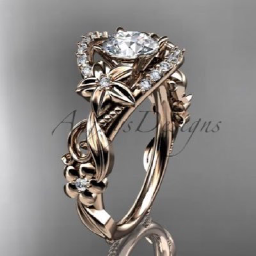
AnjaysDesigns
AnjaysDesigns sells artisan engagement rings, wedding bands, and bridal sets in moissanite and lab-grown or natural diamonds, plus men’s rings and anniversary pieces. Price span runs $400 – $3,500, squarely mid-range, with most women’s bridal styles landing $800 – $1,800. Sales are 100 % e-commerce through anjaysdesigns.com; no brick-and-mortar stockists.
The brand’s signature is hand-forged, vintage-inspired filigree and halo settings done in recycled 14 k/18 k gold or platinum—designs rarely mass-produced at this price. Each ring is made-to-order in the Los Angeles workshop within 2–3 weeks and marketed with side-by-side moissanite-versus-diamond videos that highlight size value. Their “Elena” and “Isabella” halo rings are top pins on Pinterest bridal boards and steady TikTok best-sellers.
Buyers are 22-35-year-old U.S. couples who want a distinctive, old-world look without the markup of luxury jewelers; sustainability and ethical sourcing are repeated purchase drivers. The brand’s Instagram Q&A and try-at-home kit speak to shoppers who research online, value transparency, and prefer supporting a woman-owned small studio over mall chains.
AnjaysDesigns competes with Etsy ateliers, direct-to-consumer lab-diamond sites, and national bridal chains that sell preset rings. It differentiates by combining true hand-craftsmanship, quick custom turnaround, and moissanite education that positions the stone as a prestige choice rather than a compromise, all while staying below traditional fine-jewelry price thresholds.
Vintage-inspired rings, hand-forged in LA, without the luxury price tag
- Sustainable
- Recycled
- Handmade
- Ethical
Visit site
Better World Books
Better World Books is an online-only used-book marketplace offering millions of new and second-hand titles across fiction, textbooks, children’s, rare/out-of-print, and academic journals. Paperbacks start around $3.98, hardcovers near $4.98, and most inventory sits in the budget-to-mid-range zone well below publisher list prices. All orders ship from a centralized Indiana warehouse; there are no brick-and-mortar stores.
The company’s founding promise is “Every book purchased funds literacy”: each sale triggers a donation to worldwide literacy partners and libraries, and all excess stock is either given or recycled—nothing goes to landfill. They run drop-box collection programs on 1,800+ U.S. college campuses, keeping used textbooks in circulation while funding campus sustainability projects. Carbon-balanced shipping and B-Corp certification reinforce the mission.
Core shoppers are cost-conscious students hunting discounted textbooks, eco-minded readers who prefer reused goods, and socially driven consumers who want purchases to have a charitable outcome. The brand speaks to lifestyles that pair reading with environmental stewardship and global education equity.
Better World Books competes with mass-market used-book sites, campus buyback programs, and discount online retailers. It differentiates through its nonprofit-style give-back model, free domestic shipping with no minimum, and guaranteed “no-questions” 60-day returns, positioning itself as the ethical alternative in a price-driven category.
Read better, spend less, change the world with every page
- Sustainable
- Recycled
- Ethical
Visit site
What on Earth
What on Earth sells humor-driven apparel, graphic T-shirts, science and pop-culture gifts, home décor, garden accents, and seasonal novelties. Prices sit in the budget-to-mid range: most tees $19-28, mugs $12-16, larger décor $30-60. The catalog is web-only at whatonearthcatalog.com, supported by email promos and affiliate ads; no standalone brick-and-mortar stores.
The brand’s USP is witty, conversation-starting graphics printed on everyday items—e.g., “Schrodinger’s Cat Is Dead/Alive” shirts, periodic-table beach towels, Bigfoot garden statues. Designs are created in-house, drop-shipped from U.S. print partners, and refreshed weekly to ride trending memes or scientific events. Limited-edition “Geek of the Week” drops and personalization options (name or photo integration) keep the catalog sticky.
Core buyers are 25-55-year-old STEM workers, teachers, and sci-fi fans who self-identify as geeks and value clever humor over fashion labels. They purchase to broadcast niche interests, stock gift closets for birthdays or white-elephant exchanges, and decorate classrooms or home offices with playful artifacts. Eco-friendly cotton tees and recycled mugs appeal to their pragmatic, low-waste ethos.
Competitors include other online novelty gift mills and fandom marketplaces. What on Earth differentiates through rapid meme-to-product turnaround, cohesive “science-meets-snark” voice, and a single-catalog shopping experience that bundles apparel, home, and garden under one tongue-in-cheek brand.
Wear your nerd card with pride, one witty design at a time
Visit site
Little Hands Hawaii
Little Hands Hawaii sells mineral-based, reef-safe sunscreens and after-sun skincare. Products are priced mid-range: 1-oz baby sticks start at $14, 4-oz family tins top out at $28. Sales happen through the brand’s own site, Amazon, and roughly 350 independent boutiques, natural grocers, and resort shops across the U.S. and Japan.
The formulas use only non-nano zinc oxide plus food-grade organic oils and beeswax, carrying the strict “Protect Land + Sea” reef-safe certification. All items are hand-poured in small batches on O‘ahu, packaged in recyclable tin or cardboard, and shipped plastic-free. The tinted “Surfer’s Tint” stick has become a cult favorite among lifeguards and surf instructors for staying put in 3-hour sessions.
Core buyers are parents of infants and toddlers, ocean athletes, and eco-conscious travelers who check ingredient lists before boarding flights to reef destinations. They value fragrance-free, pediatrician-approved sun protection that will not harm coral or leave a chalky cast, and they are willing to pay a few dollars more to support a local Hawai‘i business that advocates for statewide sunscreen legislation.
The brand competes in the clean-sun segment against larger mineral-sun lines and venture-backed “reef-safe” startups. It differentiates by keeping production in Hawai‘i, limiting SKUs to four multitasking formats, and publishing full third-party testing for zinc particle size and marine toxicity—data most mass brands do not disclose.
Sun protection that keeps your family and the ocean safe
- Recycled
- Independent
- Organic
Visit site
886 by The Royal Mint
886 by The Royal Mint is a direct-to-consumer online boutique that sells 925 sterling-silver jewellery, gold-plated pieces and unisex fashion accessories priced £45-£250, sitting in the mid-range luxury bracket. Every item is designed in south Wales and manufactured in small runs at The Royal Mint’s own precious-metal plant, then sold exclusively through 886.royalmint.com; no wholesale or high-street presence is maintained.
The line’s USP is that every piece is minted from 100 % recycled silver recovered during coin-blank production, giving jewellery a demonstrable British provenance and circular-economy story. Collections such as the “886 Signature” bar-link bracelets and “Mint Mark” pendants carry micro-engraved privy marks normally reserved for coins, linking wearables to 1,100 years of minting heritage without numismatic styling.
Core buyers are 25-45-year-old UK professionals who want understated luxury with traceable metal and a low carbon footprint; gifting peaks around pay-day and crypto-currency payouts converted into “digital gold you can wear”. The brand speaks to values of national craftsmanship, transparency and quiet patriotism rather than overt logo culture.
886 competes with fashion-jewellery labels that use plated base metals and with heritage bullion houses venturing into wearable gold; it differentiates by offering sterling fineness at costume price points, mint-level assaying and a 28-day buy-back scheme pegged to daily silver fixings.
British silver you can wear, not just collect
Visit site
Cinco Store
CINCO STORE is a direct-to-consumer jewelry and accessories label operating solely through cinco-store.com. The catalog spans earrings, necklaces, rings, bracelets, hair clips, and small leather goods, with most pieces priced €25-€120—solidly mid-range. Limited-edition gold-plated or sterling items edge toward €200, but nothing exceeds €300.
The brand casts all jewelry in recycled brass or sterling, then hand-finishes in its Porto atelier, allowing weekly drops of micro-collections that sell out within hours. Signature pieces include the chunky “Curb” chain necklace, asymmetrical “Twist” hoops, and detachable pearl charms that convert studs to drops—modular design is a recurring theme. Packaging is plastic-free and every order ships in reusable cotton pouches stitched in-house.
Core buyers are 18-35-year-old women in creative industries who want runway-looking pieces without luxury mark-ups; TikTok unboxings and EU next-day delivery reinforce the impulse-buy cycle. Customers value small-batch transparency, gender-fluid styling, and the ability to layer multiple pieces without overt logos.
CINCO sits between fast-fashion jewelers and entry-level designer houses, competing on speed of newness and sustainable sourcing rather than celebrity campaigns. By keeping production in Portugal, releasing only 50-100 units per SKU, and photographing on diverse real-life models, it positions itself as the anti-mass-market option for trend-driven yet eco-minded shoppers.
Weekly drops of runway-ready pieces that sell out before you finish scrolling
Visit site
Rachel Jackson
Rachel Jackson sells demi-fine and fine jewellery—layering necklaces, signet rings, gemstone hoops, ear cuffs and personalised pieces—priced £45-£450. The range sits in the mid-premium band, straddling attainable luxury and precious metals. Collections are sold through the brand’s own e-commerce site, a Covent Garden showroom and 120+ UK/indie stockists including John Lewis and Oliver Bonas.
The label is known for 18 ct gold vermeil over recycled sterling silver, conflict-free stones and a “designed to stack” modular aesthetic. Signature items include the Zodiac Coin pendants, Interstellar celestial range and hand-stamped Personalised Bar necklaces that drive repeat gifting sales. All pieces are designed in London and produced in small-batch certified workshops, letting the brand drop new lines every 4-6 weeks.
Core buyers are 25-45-year-old professional women who want everyday jewellery that feels special yet ethical. They value self-gifting, friendship rituals and Instagram-friendly packaging; the brand’s tone is celebratory, feminist and travel-oriented, matching a lifestyle of city work, weekend breaks and social media storytelling.
Rachel Jackson competes with other British demi-fine jewellers that use gold vermeil and astrology motifs. It differentiates through faster design turnover, in-house personalisation within 48 h, recycled precious metals and a cohesive “celestial & zodiac” visual language that is instantly recognisable on retail mixers.
Jewellery designed to celebrate you, stack your way, ship in 48 hours
Visit site
Forgetmeneverstore
Forgetmeneverstore operates as a tightly curated online boutique specializing in limited-run apparel, art-grade jewelry, and small-batch home décor priced between $38 and $280—solidly mid-range with occasional premium drops. All inventory is released in seasonal “capsules” and sold exclusively through the brand’s Shopify site; no wholesale or physical storefronts exist.
The label’s USP is its use of dead-stock and reclaimed materials reworked into one-of-a-kind or sub-100-unit pieces, photographed on real customers rather than models. Signature releases include hand-hammered recycled-silver “Ghost” rings and patch-worked denim jackets constructed from vintage Levi’s, both of which routinely sell out within hours and appear on resale markets at 1.5-2× retail.
Core buyers are 20-40-year-old creatives who value sustainability, narrative-driven design, and anti-mass-production ethics; they treat purchases as collectible statements rather than basics. Instagram DM wait-lists and private Discord channels foster a community that trades drop intel and styling tips, reinforcing the brand’s insider ethos.
Forgetmeneverstore competes in the crowded “conscious cool” segment populated by small sustainable fashion labels and Etsy-adjacent jewelers. It differentiates through micro-edition scarcity, transparent material provenance, and a resale culture that sustains value—tactics that turn eco-integrity into tangible exclusivity without traditional luxury mark-ups.
Wear stories that hold their value long after you do
Visit site
Powellsowls
Powellsowls sells owl-themed home décor, jewelry, apparel, stationery, and collectibles priced from $9 enamel pins to $289 limited-edition bronze sculptures; most items sit in the $25-$60 mid-range. Everything is sold through the single Shopify site powellsowls.com; no brick-and-mortar stockists are listed and the brand ships worldwide from U.S. fulfillment centers.
The entire catalog is built around original owl artwork created by founder–illustrator Powell, reproduced on demand via small-batch drops to avoid overstock. Best-known pieces include the hand-numbered “Night Watch” giclée prints and the reversible owl throw pillows that have been featured in BuzzFeed gift guides every autumn since 2020.
Core buyers are 25-45-year-old women who identify as introverted readers, cottage-core enthusiasts, or wildlife rehab volunteers and want whimsical yet sophisticated accents that signal intellect and eco-awareness; product copy emphasizes non-toxic inks, recycled mailers, and 5 % of profits donated to raptor rescue centers.
Rather than compete with mass wildlife souvenir sites or high-end avian art galleries, Powellsowls occupies a narrow middle: artistic credibility through limited runs and artist signature cards, but still accessible pricing and everyday utility. The tightly curated owl motif, transparent giving model, and illustrator-led storytelling distinguish it from both generic animal-theme décor brands and broader nature-art marketplaces.
Thoughtfully illustrated owl art for readers who refuse to blend in
Visit site
Natkina
Natkina is a direct-to-consumer footwear label that sells hand-woven, leather-based women’s flats, mules, sandals and ankle boots. Prices sit in the mid-range band, typically USD 120-220 per pair, and every release is sold exclusively through the brand’s own site, natkina.com; no wholesale or marketplace distribution is used.
The company’s core promise is “zero break-in” comfort achieved by combining buttery Argentine leathers with memory-foam insoles and flexible rubber outsoles. Each style is produced in small, numbered runs that are restocked only after customer voting, keeping inventory lean and limiting over-production; the signature “Pilar” ballet flat and “Luna” d’Orsay are routinely wait-listed within hours of drop.
Buyers are 25-45-year-old professional women who travel frequently and want packable shoes that look polished yet feel like sneakers. They value ethical, small-batch manufacturing and are willing to pre-order to avoid fast-fashion waste; the brand’s carbon-neutral shipping and recyclable packaging reinforce that mindset.
Natkina competes in the crowded “comfort-meets-style” niche occupied by heritage European labels and venture-backed DTC startups. It differentiates through limited-edition colorways decided by its community, a 365-day repair program, and Latin-American artisan craftsmanship marketed transparently on social media, positioning itself as a slower, customer-governed alternative to seasonal mass production.
Shoes that vote with you, travel with you, never betray your feet
Visit site
Sense the Pebble
Sense the Pebble sells minimalist, stone-inspired jewelry—rings, earrings, necklaces and bracelets—cast in recycled 14 k gold and sterling silver with conflict-free diamonds and raw river stones. Pieces run $90-$480, placing the brand in the mid-range bracket. Sales are DTC through the Shopify site only; no wholesale or brick-and-mortar stockists.
The label’s signature is casting actual pebbles gathered from Pacific Northwest beaches, preserving every pit and ridge so no two settings are identical. Collections are released in small numbered editions, photographed on unretouched hands to emphasize organic texture. The “Origin” ring, a split-band cradle of gold around a matte granite pebble, is the best-known SKU and routinely restocks first.
Customers are 25-40-year-old design-conscious women who want sustainable, gender-neutral jewelry that reads quiet-luxury rather than logo-driven. They value traceable materials, low-waste packaging and storytelling that connects an object to a specific place; many post flat-lays with hiking gear or coffee-table geology books.
Sense the Pebble competes with other nature-based, ethical jewelers that cast real elements in recycled metals. It differentiates by limiting the product line to literal pebbles, keeping volumes low, and pricing below traditional fine-jewelry thresholds while still using solid gold, thereby occupying a niche between artisan Etsy sellers and heritage eco-luxury brands.
Every stone tells where it came from, and so do you
- Sustainable
- Recycled
- Handmade
- Organic
- Ethical
Visit site
Somethingnicecompany
Somethingnicecompany is a direct-to-consumer accessories label that focuses on small leather goods, jewelry, and giftable desktop objects. Most pieces sit in the $40-$120 band, squarely mid-range, and everything is sold exclusively through the brand’s own site with periodic limited-edition drops that routinely sell out within hours.
The brand’s signature is color-blocked Italian leather card wallets assembled in micro-batches of 200 units, each numbered and shipped in reusable tin boxes that double as desk storage. Their “Nice” capsule—pastel wallets embossed with a single lowercase “n”—has become a recognizable Instagram tag and drives wait-list traffic between releases.
Customers are 20-35-year-old urban creatives who want design-led accessories without visible logos; they value scarcity, sustainable packaging, and the ability to post an unboxing that feels personal rather than flashy. The brand’s tone—plain type, gentle humor, and handwritten thank-you notes—reinforces a “quietly thoughtful” lifestyle over status flex.
They occupy the same space as indie leather studios and minimalist jewelry startups that sell online, but differentiate through tightly controlled drop cadence, numbered editions, and packaging designed for reuse rather than recycling. By limiting SKUs and retiring colors permanently, Somethingnicecompany keeps inventory lean and secondary-market demand high, insulating itself from broader discount cycles.
Small leather goods that feel like personal secrets, not purchases
Visit site
Lola Ade
Lola Ade is a direct-to-consumer jewelry label that focuses on demi-fine gold vermeil, sterling-silver and beaded pieces—earrings, necklaces, bracelets, anklets and rings—priced $38-$220. Collections drop online-only at lolaade.com and ship worldwide; no wholesale or brick-and-mortar stockists are operated.
The brand’s signature is vibrant, hand-strung glass beads sourced from Ghana’s Krobo region, paired with recycled 18k-gold vermeil for a high-low mix that reads luxe yet lightweight. Best-known SKUs include the “Yemoja” beaded hoop series and convertible “Aṣa” chokers that double as wrap bracelets, all produced in small batches of 50-100 units to keep colorways exclusive.
Core buyers are 22-38-year-old women in creative or tech fields who want statement jewelry that nods to African heritage without overt theming; sustainability and female-founded storytelling are key purchase drivers. Customers value travel-friendly pieces that photograph boldly, layer easily and support transparent artisan wages.
Lola Ade sits between fast-fashion accessories and niche Afro-luxury houses, competing on price-to-craft ratio and cultural authenticity rather than logo prestige. By limiting inventory, sourcing beads directly from women’s co-ops and offering free global shipping, it differentiates through scarcity, ethical supply chain and diaspora storytelling rather than traditional luxury codes.
Handstrung Ghanaian beads meet recycled gold, travel anywhere, tell your story
- Sustainable
- Recycled
- Handmade
- Ethical
Visit site
Liberty In Love
Liberty In Love is an online-only boutique specialising in bridal accessories and bridesmaid gifts. The catalogue covers hairpieces, veils, jewellery, sashes, shoes and small leather goods, with most items priced £30-£150 and statement pieces rising to £300. The site ships worldwide from its UK warehouse and offers next-day domestic delivery.
The brand curates a mix of exclusive in-house designs and hand-picked international labels, emphasising lightweight, photography-friendly pieces for modern weddings. Best-sellers include pearl-encrusted hair vines, detachable cathedral veils and personalised silk robes that feature heavily on Instagram bridal flat-lays.
Customers are 25-35-year-old brides and bridal parties planning stylish but budget-controlled celebrations; they value fast delivery, cohesive “ready-to-wear” styling and the ability to match accessories across the party without bespoke costs. Sustainability messaging—recyclable packaging, small-batch production—also resonates with eco-minded millennials.
Liberty In Love competes with multi-label bridal accessory marketplaces and high-street jewellery chains that have added bridal lines; it differentiates through tightly edited, trend-led stock, consistent in-house photography that shows pieces on real brides, and a loyalty programme that turns one-off veil buyers into repeat customers for gifts and occasion jewellery.
Chic bridal accessories that make your whole party look effortlessly coordinated
Visit site
Inspiration At
Inspiration is an Austrian e-commerce retailer specializing in contemporary furniture, lighting, and home accessories. The assortment runs from €25 felt organizers to €2,500 solid-oak dining tables, placing the brand in the mid-range with selective premium pieces. Sales are conducted exclusively through the German-language web shop, which ships to most EU countries.
The company positions itself as a curated “design supermarket,” listing only products that pass an in-house test for sustainable materials and timeless aesthetics. Best-known lines include the modular “Box” shelving system and the powder-coated “Inspiration” line of kitchen trolleys, both of which are produced in small European batches and restocked weekly.
Core shoppers are 25-45-year-old urban renters and first-time homeowners who want Scandi-Japanese minimalism without boutique mark-ups. They value eco-certified wood, flat-pack convenience, and the site’s transparent filter that ranks every item by recyclability and CO₂ footprint.
Inspiration competes with pan-European furniture marketplaces and Scandinavian big-box chains by combining faster 48-hour dispatch from its Upper Austrian warehouse with a no-questions-asked 30-day return policy on bulky furniture. Its private-label share—now 35 % of SKUs—lets it undercut comparable designer pieces by 20-30 % while keeping margins higher than pure resellers.
Minimalist design that ships in 48 hours, not 48 weeks
Visit site
celeste Starre
Celeste Starre sells statement jewelry, hair accessories, and small leather goods priced £30-£180, sitting in the premium-accessory bracket. Collections are released in limited drops and sold exclusively through the brand’s own e-commerce site, with worldwide DHL shipping from London.
The label is known for chunky 18-ct gold-plated brass cuffs, celestial-motif earrings and crystal-encrusted hair slides that photograph like fine jewelry yet retail for under £200. Every piece is designed in-house, produced in small Italian ateliers, and packaged in recyclable velvet pouches—details highlighted in Vogue, Grazia and on Instagram by influencers such as Leonie Hanne.
Core buyers are 18-35-year-old fashion-content consumers who want runway-level impact without four-figure spend; they tag the brand in festival and holiday posts to signal trend awareness and eco-conscious luxury. The aesthetic taps astrology spirituality and 90s supermodel nostalgia, aligning with values of self-expression, sustainability and attainable opulence.
Celeste Starre competes with mid-priced trend-driven jewelry labels found in ASOS or Revolve’s accessory edit; it differentiates by staying off third-party marketplaces, offering finer plating thickness (2.5 microns) and using recycled brass, thereby positioning itself as a niche, responsibly-made alternative to mass-market “demi-fine” players.
Celestial jewelry that costs less than a handbag, feels priceless
Visit site
Olivia & Pearl
Olivia & Pearl sells pearl-centric fine jewelry—necklaces, bracelets, earrings, and rings—priced in the mid-range bracket, with most pieces between £90 and £450. The collection is sold exclusively through its own e-commerce site, oliviaandpearl.com, which ships worldwide from the U.K.; there are no physical stores or wholesale accounts.
The brand positions cultured pearls as everyday luxuries rather than heirloom formality, using 14 kt gold vermeil and recycled sterling settings to modernize the gem. Its best-known lines are the “Candy” range of pastel-dyed baroque-pearl chokers and the “Mini” huggie-pearl earrings, both marketed heavily on Instagram for stackable styling.
Core customers are women aged 22-38 who want aspirational but attainable jewelry that transitions from Zoom calls to weekend brunch; sustainability and female-founded storytelling matter to them. Marketing imagery features diverse, city-based creatives wearing pearls with hoodies and slip dresses, reinforcing the “effortless polish” lifestyle.
Competitors include other direct-to-consumer demi-fine labels that mix gemstones with vermeil; Olivia & Pearl differentiates by focusing almost exclusively on pearls, offering a 2-year gold-vermeil guarantee, plastic-free packaging, and a 30-day “no questions” return policy that lowers the perceived risk of buying delicate jewelry online.
Pearls for every day, not just special occasions
Visit site
Love & Pebble
Love & Pebble sells skincare tools and treatment devices, led by its viral “Ice Pops” reusable ice globes and complementary serums. Price points sit in the mid-range bracket: single tools $25-$40, bundled sets $50-$75. The brand is digital-native, selling only through its own site and Amazon storefront, with periodic drops announced on social media.
The company built visibility on TikTok by demo-ing instantly depuffing ice-globe facials that users can freeze at home. All tools are vegan, cruelty-free, and packaged in recyclable, pastel-colored cases designed for flat-lay photos. Limited-edition drops and influencer collabs keep inventory cycling quickly, reinforcing hype-driven demand.
Core buyers are Gen-Z and millennial women who follow skincare trends on TikTok and Instagram and want spa-level results without high-price facials. They value playful aesthetics, cruelty-free credentials, and shareable “before & after” content that fits a low-effort self-care routine.
Love & Peeble competes in the crowded skincare-tools segment against both drugstore rollers and prestige LED devices. It differentiates through affordable pricing, freezer-ready formulations that remove the mess of traditional ice cubes, and content-first marketing that turns a simple tool into a viral social moment.
Spa-level glow from your freezer, no appointment required
- Recycled
- Vegan
- Cruelty-free
Visit site
Kozakh
Kozakh sells demi-fine jewelry—earrings, necklaces, rings, and bracelets—hand-set with natural diamonds and semi-precious stones, all cast in recycled 14 k gold. Pieces run $90-$600, placing the brand in the accessible-luxury tier between fast-fashion and high-jewelry. Sales are direct-to-consumer through kozakh.com and a single Los Angeles showroom; no wholesale or department-store distribution.
The company mills its own recycled gold, laser-engraves every clasp with the Kozakh mark, and offers a lifetime replating service, positioning itself as “sustainable fine jewelry without the 10× markup.” Best-known lines are the Petite Diamond huggies and the Layer Bar collection of interchangeable pendants that can be worn four ways.
Core buyers are 25-40-year-old urban professionals who want everyday diamonds that survive sweat, sunscreen, and sea water. They value traceable materials, carbon-neutral shipping, and a brand that photographs pieces on diverse, unretouched skin tones rather than studio models.
Kozakh competes with other DTC demi-fine labels that use plated brass or vermeil; it differentiates by using solid 14 k gold at similar price points, offering free lifetime replating, and publishing third-party assay reports for every batch of gold.
Diamonds that handle your real life, not just your photos
Visit site
Ethical Superstore
Ethical Superstore sells sustainable clothing, home goods, and eco-friendly products made from organic and recycled materials. They're notable for making ethical fashion and sustainable living accessible to mainstream consumers who want to reduce their environmental impact without compromising on style or quality.
Look good, live better, save the planet without sacrifice
- Sustainable
- Recycled
- Organic
- Ethical
Visit site