32 brands to discover.
BaseBlu
BaseBlu is a multi-brand luxury retailer offering women’s, men’s and kids’ ready-to-wear, handbags, shoes, accessories, jewelry and home décor. Price points sit squarely in the premium segment, with garments and leather goods running from roughly €400 to €4,000 and statement pieces climbing well above. The company operates both a global e-commerce site and a flagship boutique in Reggio Emilia, Italy, plus a network of franchised shop-in-shops across Europe and Asia.
The merchant positions itself as a curated “concept store” that mixes heritage Italian houses with avant-garde labels, presenting each collection in editorial-style drops rather than seasonal bulk uploads. Exclusive capsule collaborations, early-release runway pieces and a private-client WhatsApp concierge service are recurring features. Shoppers often cite the site’s ability to source limited-edition colorways and hard-to-find sizes that larger platforms list as sold-out.
Core customers are fashion-literate professionals aged 25-45 who follow runway content on Instagram and value scarcity over logos. They lean toward understated luxury, appreciate Italian craftsmanship narratives and are willing to pay 15-20 % above mainstream luxury e-tail to secure pieces before peer groups. Sustainability is secondary; speed, authenticity and curation drive purchase decisions.
BaseBlu competes with full-price luxury e-tailers that carry similar brand rosters, but differentiates by focusing on tighter buy depths, earlier inventory access and high-touch clienteling reminiscent of an independent boutique. Its Reggio Emilia physical presence and long-standing direct relationships with smaller Italian ateliers give it credibility that pure-play sites lack, while its editorial storytelling keeps it top-of-mind among style insiders seeking next-season pieces today.
The edit before everyone else discovers it
Visit site
sneakeroutfits
SneakerOutfits is a digital-only retailer that sells matching apparel sets—hoodies, tees, joggers, shorts, jackets—engineered to coordinate with specific Jordan, Nike, Yeezy, and New Balance colorways. Most two-piece sets run $70-$120, placing the brand in the accessible mid-range; individual graphic tees and fleece bottoms sit between $30-$60. Everything drops exclusively through sneakeroutfits.com and its mobile app, with limited restocks announced on Instagram and SMS.
The site’s “Search by Sneaker” filter auto-pulls garments that share exact Pantone hits, down to the heel-tab accent, eliminating guesswork for buyers. Weekly “Fit Drops” release alongside major sneaker launch calendars, often using the same lot numbers and nicknames (e.g., “A Ma Maniére 3 Set”). Velcro-compatible patches and reversible pieces let one set flex multiple sneakers, a feature the brand has patented under “SneakerSwap” construction.
Core shoppers are 16-34-year-old sneaker enthusiasts who enter monthly raffles and post “on-foot & on-body” carousel pics for likes and resale legitimacy. They value instant coordination, photo-ready color blocking, and the ability to keep kicks center-stage without hunting separate pieces. Limited-run quantities—most sets capped at 400 units—feed the same scarcity mindset that drives sneaker culture.
SneakerOutfits competes with fast-fashion marketplaces and independent streetwear labels that replicate hype sneaker palettes, but it differentiates through algorithmic color mapping, same-day drop synchronization with SNKRS, and proprietary “SneakerSwap” hardware. By treating garments as extension accessories rather than standalone fashion, the brand occupies the narrow space between sneaker care and streetwear, a niche traditional apparel players have not systematized.
Your sneakers finally meet their perfect outfit match
Visit site
Carl Scarpa
Carl Scarpa is an Irish footwear and accessories house specialising in premium women’s and men’s leather shoes, boots, sneakers and handbags. Women’s styles dominate the offer, with most shoes priced €160-€290 and bags €150-€350, placing the brand in the premium segment. Products are sold through 25 company-owned stores in Ireland and the UK plus the global e-commerce site, which ships to Europe, the US and Middle-East.
The brand positions itself as “Italian-designed, Irish-owned,” sourcing leathers in Italy and Portugal and producing in European family-run factories. Signature elements—hand-finished uppers, memory-foam insoles and understated gold-foil branding—recur across best-selling lines such as the pointed-toe “Riva” ankle boot and the lug-sole “Lainey” loafer. Limited-run colours and small-batch restocks keep collections fresh without resorting to fast-fashion cadence.
Core shoppers are 25-45-year-old professional women who want designer-level leather and silhouette trends without moving into luxury price brackets. They value understated European style, comfort technology and the ability to buy in-store for fitting then replenish online. The brand’s inclusive size range (EU 35-42, many styles in wide fit) and after-sales repair service reinforce a “buy less, buy better” ethos.
Carl Scarpa competes with mid-priced European footwear labels that balance fashion and quality, differentiating through direct control of retail, Italian material sourcing and Irish customer service heritage. While competitors chase logo-heavy branding or heavy discounting, Carl Scarpa maintains full-price integrity, seasonal colour exclusives and free lifetime heel replacement, cultivating loyalty in a crowded premium-high-street segment.
European craftsmanship that actually fits your life and your budget
Visit site
Breeshoppe
Breeshoppe is a direct-to-consumer women’s fashion label that focuses on elevated everyday basics: linen-blend dresses, two-piece sets, knit tops, and matching loungewear. Most pieces fall between $38 and $128, placing the brand in the accessible-to-mid range; limited-run drops of pure linen or organic-cotton styles edge toward $150. Sales happen exclusively through breeshoppe.com and its mobile app, with periodic pop-up previews on Instagram Shop; no wholesale or brick-and-mortar inventory is maintained.
The brand’s identity rests on small-batch, neutral-toned capsules released every 4–6 weeks, photographed on real customers rather than models. Signature items—boxy cropped linen shirt, smocked midi nap dress, and reversible knit set—routinely sell out within 48 h and are rarely restocked, creating a “quiet drop” hype cycle. All garments are cut and sewn in family-owned Los Angeles factories, and each product page lists fabric origin, cost breakdown, and carbon-neutral shipping option.
Core shoppers are 25–40-year-old creative professionals who want polished comfort without overt logos; they value slow-turn inventory, inclusive sizing (XS–3X), and palette cohesion that allows mix-and-match packing for work travel or weekend getaways. The brand’s Instagram community tags #breeshoppeuniform to show repeat wears, reinforcing a mindful-consumption ethos.
Breeshoppe competes in the crowded “Instagram-born” contemporary basics space against labels that also promote neutral palettes and domestic production. It differentiates by releasing even smaller quantities, disclosing true cost margins, and prioritizing multi-functional silhouettes that transition from home office to dinner, reducing the need for trend-driven turnover.
Wear less, choose better, actually keep it forever
Visit site
Stepupsneakers
Step-upsneakers.com is an online-only retailer that specializes in aftermarket customization of Nike, Jordan, Yeezy and New Balance sneakers. Core categories include hand-painted, dyed and deconstructed limited-edition pairs, lace-swap kits, and protective care products; prices run from mid-range (≈ $280) to premium (≈ $1,200) depending on rarity and labor hours. All inventory is drop-shipped from independent artists’ studios; no physical stores exist.
The brand’s signature is its “1-of-1 Custom” filter that guarantees no repeat design, backed by a blockchain-based authenticity card stitched under the insole. Notable drops are the UV-reactive Jordan 1 “Ghost” series and the 3-D printed Yeezy 350 “Bone Spikes,” both of which sell out within minutes and resell above $2k on StockX. Step-up also offers a “Re-sole & Re-imagine” program that recycles worn pairs into new colorways, positioning itself at the intersection of sustainability and exclusivity.
Customers are 16-30-year-old hypebeasts and TikTok creators who treat sneakers as tradable content; 68 % of site traffic comes from mobile and 42 % from sneaker-subreddit referral links. They value individuality, resale upside, and the ability to film a “before/after” reveal that racks up views; limited runs of 30-60 pairs feed FOMO without requiring bot-level spending.
Step-upsneakers competes with mass-customization platforms and high-end bespoke ateliers by offering artist-level craftsmanship at a price below full bespoke yet above Nike By You. Its differentiation lies in hyper-limited quantities, blockchain provenance, and a resale-friendly ecosystem that tracks appreciation on its own marketplace, turning buyers into micro-investors.
Own sneakers nobody else can ever wear again
- Sustainable
- Recycled
- Independent
Visit site
Bernardo
Bernardo sells women’s footwear—sandals, boots, mules, and sneakers—made almost entirely from Italian leather and eco-friendly faux alternatives. Retail prices sit in the mid-range bracket, typically $120-$250, with occasional limited-edition styles reaching $350. The brand operates its own e-commerce site and ships throughout North America, while also wholesaling to upscale department stores and specialty boutiques in the U.S. and Canada.
Founded in 1946 as a Miami-based importer of Argentine sandals, Bernardo is best known for creating the original “America” style in 1954, a minimalist leather sandal still produced today. The company positions itself as a heritage American label that pairs mid-century silhouettes with contemporary comfort technology such as memory-foam footbeds and flexible rubber-injected outsoles. Recent collections emphasize sustainable tanning, recycled linings, and small-batch production runs manufactured in family-owned Brazilian factories.
Core customers are women 30-60 who want polished vacation or city footwear that looks designer but does not carry designer pricing. Shoppers value packability, arch support, and transitional styling that works from office to resort; the brand’s Made-in-the-Americas story and increasing use of eco materials appeal to buyers seeking ethical yet fashionable alternatives to fast fashion.
Bernardo competes in the accessible luxury footwear space against labels that market European styling at similar price points. It differentiates by highlighting its own archival American designs, maintaining a narrower SKU count focused on updated classics, and offering extended size ranges (4-13) with medium and wide widths.
Timeless sandals from 1954 that actually fit your life today
- Sustainable
- Recycled
- Independent
- Ethical
Visit site
Dottyfish
Dottyfish sells soft-sole leather baby and toddler shoes, plus matching accessories such as tights, socks, sun-hats and splash-proof outerwear. Prices sit in the mid-range bracket: most leather crib shoes retail £18-£24, boots and canvas ranges peak around £30, while accessories start at £6. The brand trades almost exclusively through its own UK website and Amazon storefront, shipping worldwide; wholesale is limited to a handful of independent children’s boutiques.
The company built its name on ultra-flexible, chrome-free leather “crawling/walking shoes” that are machine-washable at 30 °C; elasticated ankles and a wide fitting suit early walkers and children with chubby feet. Every pair is safety-tested to EU REACH and UKCA standards, offered in over 40 seasonal prints, and supplied in recycled cardboard pouches printed with eco-soy inks. Their best-known collections are the spotty “Dottie” original and the reflective-trim “Safari” range.
Primary buyers are new parents, grandparents and gift-givers looking for a lightweight first shoe recommended by podiatrists and nursery staff; they value foot-health credentials, affordable pricing and cute British patterns. The brand appeals to eco-conscious families who prefer natural materials, low-waste packaging and small-batch production that supports local illustrators.
Dottyfish competes in the crowded “soft-sole baby shoe” segment populated by Scandinavian moccasin labels, big-box high-street chains and premium organic boutiques. It differentiates through UK design, washable leather, medical-friendly width fitting, sub-£25 price points and direct-to-consumer convenience that ships within 24 hours from Sussex stock.
Beautifully patterned leather shoes that actually survive the washing machine
- Recycled
- Independent
- Organic
Visit site
tonymora
Tony Mora sells handcrafted western and fashion boots for women and men, plus a small line of leather bags and belts. Prices sit in the mid-to-premium bracket: most boots retail €350-€650, with exotic leathers reaching €900. The brand operates its own Barcelona workshop and sells worldwide through tonymora.com, Amazon Europe, and roughly 150 independent footwear and equestrian stores across Spain, France, Germany, Japan and the U.S.
Every pair is lasted and stitched in the company’s small Spanish atelier, allowing made-to-order calf, crocodile and python options with 3-week delivery. The house is known for combining traditional western silhouettes—riding, roper and cowboy lasts—with European fashion colors, slimmed shafts and cushioned leather soles. Signature collections “Madrid Cowboy,” “SoHo Python” and the vegan “Eco-Rider” line generate the strongest repeat sales and press coverage.
Core buyers are 25-45-year-old urban professionals who want authentic western detailing without sacrificing European fit and sustainability. They value artisan-made goods, small-batch production and the ability to customize shaft height, leather and sole color online; many ride on weekends or attend country-themed festivals and need boots that work both on a bike and in a creative office.
Tony Mora competes with mass-produced western labels and luxury European fashion houses that outsource boot production. It differentiates by keeping manufacturing in-house, offering true western construction (Goodyear welt, lemonwood pegging) alongside narrow European lasts, and providing customization at prices below heritage U.S. cowboy brands and designer runway equivalents.
Western boots built by hand in Barcelona for your actual life
- Sustainable
- Handmade
- Independent
- Vegan
Visit site
Johnsonshoes
Johnsonshoes.co.uk stocks men’s, women’s and kids’ footwear: formal leather shoes, everyday boots, trainers, sandals and school pairs, plus shoe-care accessories. Price points sit in the mid-range bracket, with most adult leather styles between £70 and £150 and children’s pairs £35-£60. The company trades both online and through four family-run stores in the West Midlands, offering click-and-collect and free UK delivery on orders over £40.
The retailer positions itself as a “proper shoe shop” that has measured feet since 1937, emphasising width-fitting expertise and half-size availability across most ranges. Private-label lines such as the Johnson London Goodyear-welted collection and the lightweight Flex+ comfort range sit alongside curated British and European brands, giving shoppers niche widths (E-6E) without special-order delays. Seasonal “Made in England” limited editions reinforce the heritage angle.
Core customers are 30-65-year-old professionals and parents who want durable, correctly-fitted footwear and prefer personal service to fast-fashion trends. They value local retail heritage, repairability and classic styling that complies with school or office dress codes, and they appreciate staff who can fit orthotics or wider feet on the spot.
Johnsonshoes competes with national department-store shoe halls, value-led online marketplaces and niche comfort brands. It differentiates through in-store gait assessment, width expertise, on-site repairs and a UK warehouse that keeps extended size/width combinations in stock year-round, reducing the wait times and return rates common with specialist-fit competitors.
Shoes that fit properly, stay for years, made by people who actually care
Visit site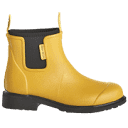
Merry People
Merry People sells neoprene-lined rubber boots for women, men and kids, plus waterproof leather Chelsea boots and outdoor accessories such as socks and boot bags. Prices sit in the mid-range: adult wellies £95-£115, children’s £55-£65, leather boots £150. The brand trades only through its own UK website, pop-up events and a network of independent garden-centre and lifestyle stores; it does not operate its own permanent bricks-and-mortar shops.
The boots are built on a natural-rubber upper with 4 mm insulating neoprene lining, seam-sealed construction and a traction outsole, marketed as all-season footwear rather than pure rain gear. Signature colours—ochre, olive, berry and black—are carried year-round, while limited seasonal drops sell out quickly. Merry People emphasises vegan materials, 100 % recyclable packaging and a one-year warranty, positioning itself as a responsible outdoor brand.
Core buyers are 25-45-year-old urban commuters, weekend dog-walkers and festival-goers who want waterproof footwear that looks like a fashion Chelsea boot. The brand appeals to value-driven consumers seeking cruelty-free, plastic-free packaging and small-batch production; Instagram content features real customers gardening, hiking and doing school runs.
Merry People competes against heritage British wellington labels and fast-fashion rain boots by offering a slimmer silhouette, year-round wearability and transparent ethical sourcing. Where competitors focus on farming or festival extremes, Merry People targets daily city-to-country crossover use, backed by responsive customer service and a 30-day free-return policy.
Stylish boots that go from city streets to muddy gardens without apology
- Recycled
- Independent
- Ethical
- Vegan
- Cruelty-free
Visit site
Nulifekicks
Nulifekicks is an online-only sneaker and streetwear boutique that specializes in limited-edition Nike, Air Jordan, Yeezy, and New Balance releases. Inventory is priced at premium resale levels—typically 30-300 % above retail—supplemented by accessories, apparel, and graded collectibles. All sales flow through the Shopify site; no physical store or consignment app is operated.
The site guarantees 100 % authenticity via in-hand verification, same-day shipping on most orders, and a “Deadstock Promise” that every shoe is unworn with original box and accessories. Weekly “Flash Drop” restocks of hyped colorways and rare sizes create repeat traffic, while a loyalty point system converts purchases into future discounts. Their Instagram feed of on-foot product shots and live unboxings has grown to six-figure followers, reinforcing credibility.
Core buyers are 16-30-year-old U.S. sneaker enthusiasts who follow release calendars, enter raffles, and missed retail; they value speed, authenticity assurance, and access to sold-out sizes. The brand voice is hype-culture fluent—meme captions, quick DM responses—appealing to collectors who flip pairs as much as they wear them.
Nulifekicks competes within the crowded aftermarket of resale platforms and independent cook-groups by holding physical inventory rather than drop-shipping, enabling 24-hour fulfillment and zero “order cancelled” backlash. Tight size-run buying and transparent condition photos differentiate it from larger marketplaces where pricing algorithms and seller variance can delay or downgrade orders.
Sold out everywhere else, in your hands by tomorrow morning
Visit site
Rollie Nation
Rollie Nation sells lightweight men’s and women’s sneakers, desert boots, and sandals priced AUD $140-$220 (mid-range). Core lines include the Derby, Nation, and Breeze collections, all built on ultra-light EVA/rubber outsoles. The brand is DTC-first through rollienation.com, ships worldwide from Melbourne, and supplements e-commerce with 200+ independent footwear boutiques across Australia, New Zealand, the UK, and the US.
The shoes average 200 g per pair—about half a traditional leather sneaker—achieved by omitting heavy heel counters and using unlined nubuck or knit uppers. Every style is airport-friendly (steel-free) and comes with a spare pair of cotton laces rolled inside the box, reinforcing the travel-centric ethos. Seasonal drops feature limited colorways and artist-print insoles that reference Melbourne street art.
Customers are 25-45, urban, gender-neutral, and travel frequently for work or leisure; they value comfort without sacrificing style and want shoes that pack flat and survive all-day walking. Sustainability matters: the brand uses LWG-certified leathers, recycled knit yarns, and carbon-neutral domestic shipping, aligning with buyers who offset flights and carry keep-cups.
Rollie Nation competes in the fashion-sneaker space against brands that merge athleisure with minimalist design. It differentiates through feather-weight construction, airport-specific features, and Australian design cues rather than Scandinavian or American heritage, allowing it to command niche loyalty among frequent flyers and creative professionals.
Shoes so light, you'll forget you're wearing them across the world
- Sustainable
- Recycled
- Independent
Visit site
Komodo
Komodo is a UK-based sustainable-fashion label selling women’s and men’s apparel, accessories and small lifestyle goods. Core categories are organic-cotton tees & sweats, hemp denim, recycled-poly outerwear and hand-knit jumpers priced £45-£250, situating the brand in the mid-range bracket. Distribution is DTC through komodo.online plus about 250 independent boutiques and eco-minded department stores across Europe, North America and Japan.
Founded in 1988, Komodo was one of the first European brands to convert entire ranges to GOTS-certified organic cotton, hemp and Tencel, and has been vegan-approved by PETA since 2019. Signature pieces include the “Hemp Denim 5-Pocket Jean,” the recycled-fiber “K-Jacket” and brightly patterned fair-isle knits produced in small Nepalese cooperatives; every garment ships in compostable bags with a lifetime-repair voucher.
Customers are 25-45-year-old design-conscious urbanites who prioritize environmental impact, animal welfare and transparency over fast-fashion trends. They value wardrobe staples that combine minimalist aesthetics with ethical provenance, and are willing to pay 15-25 % more for verified sustainable materials and long product lifespans.
Komodo competes in the crowded “contemporary sustainable” segment against labels offering organic basics or recycled outerwear; it differentiates by integrating long-standing artisan partnerships, small-batch production runs and a single-digit carbon footprint verified annually by Climate Neutral, while keeping prices below premium designer tiers.
Timeless pieces that prove sustainability and style needn't compromise
- Sustainable
- Recycled
- Handmade
- Independent
- Organic
- Ethical
- Vegan
Visit site
Barefootchild
Barefootchild sells minimalist children’s shoes, organic-cotton apparel, and small-footprint accessories such as socks and shoe-care kits. All products sit in the mid-range price band: soft-soled crib shoes start at about €35, everyday leather walkers reach €65, and organic sweaters peak around €55. The brand trades only through its own Shopify-powered site, shipping worldwide from a single EU warehouse.
The label’s USP is “shoes that mimic bare feet”: paper-thin, zero-drop chrome-free leather soles, extra-wide toe boxes, and elasticized ankles that stay on without restricting growth. Every pair is handmade in a family-run Portuguese atelier certified by REACH and LWG, then dyed with plant-based tannins; the result is a flexible 3 mm sole collection that has become a reference among pediatric physiotherapists.
Customers are millennial and Gen-Z parents who follow Montessori, RIE, or attachment-parenting philosophies and want toxin-free, developmentally friendly gear. They value sustainability certificates, plastic-free packaging, and the brand’s transparent cost breakdown that shows 58 % of the retail price goes straight to materials and artisan wages.
Barefootchild competes in the niche between mass-market “flexible” toddler sneakers and high-end European barefoot brands. It differentiates by keeping SKU counts low, releasing only two color drops a year to cut overproduction, and offering a 90-day outgrow guarantee that credits 30 % toward the next size—tactics that tighten community loyalty and reduce environmental impact.
Shoes that grow with your child, not against their feet
- Sustainable
- Handmade
- Independent
- Organic
Visit site
Street Machine Skate
Street Machine Skate operates a mid-range priced catalog centered on complete skateboards ($90-$130), decks ($55-$70), wheels ($28-$38) and small-run apparel. Accessories such as grip, hardware and bearings sit in the $5-$18 band. Sales are direct-to-consumer through the brand’s own Shopify site plus a handful of domestic core skate shops; no big-box retail.
The company keeps production in North America—Canadian maple decks pressed in Southern California and urethane wheels poured in Santa Barbara—allowing weekly graphic drops and re-stocks within days rather than months. Limited deck series featuring city-specific artwork and collaborative capsule wheels with local artists are the items most referenced on social media and typically sell out online within 24 hours.
Core skaters aged 15-30 who follow local street footage and independent media buy the brand because it funds regional video projects, pays amateur riders and undercuts premium imports while still offering “shop-quality” construction. Customers value self-funded authenticity, short supply chains and graphics that reference neighborhood landmarks rather than global logo cycles.
Street Machine competes against two tiers: large heritage skate brands with warehouse-scale distribution and low-cost blank-deck importers. It differentiates by marketing hyper-local content, turning inventory fast enough to stay cash-positive without offshore minimums, and guaranteeing fresh graphics every drop—something mass brands can’t match quarterly and budget factories won’t attempt.
Skate what your city actually looks like, not what corporations want you to wear
Visit site
Lamofootwear
Lamofootwear sells sheepskin boots, slippers, moccasins, sandals, and casual sneakers for men, women, and kids, with most adult styles priced $60-$120 (mid-range). Distribution is DTC through lamofootwear.com plus about 500 independent shoe, outdoor, and surf stores across the U.S.; Amazon and Zappos also carry core lines.
The brand began in 1995 as an Australian-style sheepskin boot maker and still tugs genuine twin-face Australian Merino sheepskin, but at roughly half the price of premium heritage labels. Its “Lamo-Lite” EVA outsole and removable memory-foam footbed are pitched as lighter, more cushioned alternatives to traditional crepe, while water-repellent “Lamo-Suede” treatment is standard on classic short and tall collections.
Core buyers are 18-35 value-driven consumers who want the cozy sheepskin look without the $200+ ticket, plus suburban moms and college students in cold-weather states prioritizing warmth and indoor-outdoor versatility. The brand leans casual, comfort-first, and function-over-fashion, appealing to shoppers who brag about “smart spending” rather than luxury labels.
Lamo competes in the crowded comfort-casual sheepskin and slipper space dominated by heritage and surf-origin labels; it differentiates on price, lighter-weight sole construction, and direct online promotions that routinely drop bestsellers below $80. By keeping shearling sourcing in Australia but assembly flexible, it balances authenticity with aggressive MSRPs that undercut traditional competitors by 30-50 %.
Genuine sheepskin comfort that won't break the bank
Visit site
beek
Beek sells women’s leather sandals, clogs, and mules priced $180-$260—positioned in the premium-accessory segment. All styles are handmade in Mexico from soft, vegetable-tanned leathers; the line is sold only through the brand’s own e-commerce site and a network of 250+ independent boutiques across the U.S. No mass retail or department-store distribution is used.
The brand’s signature is a contoured, anatomical footbed wrapped completely in leather, giving the comfort of a molded clog with a refined sandal upper. Every pair is constructed with Blake-stitched soles that can be resoled, extending product life beyond typical seasonal footwear. Their best-known “Pippin” slide and “Wren” clog are stocked year-round in core neutrals plus limited-run seasonal colors.
Customers are 25-45-year-old professional women who want arch-supportive shoes that still read polished for city wear, farmers’ markets, or travel. They value small-batch production, natural materials, and female-founded labels; sustainability is pursued through repairability rather than recycled synthetics.
Beek competes in the niche between fashion-driven leather sandals and orthopedic comfort brands, differentiating with fashion silhouettes that still deliver podiatrist-grade support. By keeping production in a family-owned Guanajuato workshop and releasing small, color-driven drops rather than seasonal collections, the brand maintains scarcity and justifies premium pricing without the marketing overhead of larger footwear houses.
Handmade leather that molds to your foot and your life
- Sustainable
- Recycled
- Handmade
- Independent
Visit site
Vitalstep
Vitalstep sells orthopedic and comfort footwear for men and women, focusing on therapeutic sandals, clogs, and lace-up walking shoes that carry APMA acceptance. Prices sit in the mid-range bracket—most pairs retail between $110 and $160—and the brand distributes primarily through its own e-commerce site plus a network of U.S. independent shoe stores and medical footwear dealers.
The shoes are built on anatomical cork footbeds with metatarsal and longitudinal arch support, removable insoles to accommodate custom orthotics, and slip-resistant polyurethane outsoles. Vitalstep positions itself as a medical-grade comfort line rather than fashion-first wellness footwear, and its “Made in Germany” Sandal Collection is frequently cited by podiatrists for plantar-fasciitis relief.
Core buyers are adults 40-70 who spend long hours standing—health-care staff, chefs, teachers, and travelers—seeking doctor-recommended relief without the clinical look. They value evidence-based support, health-insurance–compatible purchases (HCPCS A5500 coded diabetic models), and understated styling that transitions from workplace to weekend.
Vitalstep competes in the niche between mainstream comfort brands and high-price orthopedic specialists. It differentiates by combining German-engineered footbeds with U.S. podiatric endorsements, mid-tier pricing, and a direct-to-consumer site that still honors insurance-reimbursable documentation—something fashion-oriented wellness labels rarely provide.
German engineering meets podiatrist approval, all day comfort included
Visit site
Hudson Shoes
Hudson Shoes sells men’s and women’s footwear—brogues, boots, sneakers, loafers, and desert boots—priced £90-£220, sitting in the mid-range bracket between fast-fashion and premium bench-made labels. The London-based company trades through its own e-commerce site plus a small network of UK independents and department-store concessions; it does not operate stand-alone retail stores.
The brand is built around re-working classic British shapes with contemporary lasts, mixed-material uppers, and bold colour pops such as cobalt suedes or burnished burgundy calf. Signature lines include the “Houghton” two-tone brogue and the “Luke” chukka, both cemented on lightweight rubber soles that soften traditional silhouettes for everyday city wear.
Core buyers are 25-40-year-old urban professionals who want footwear that nods to heritage but feels current enough for slim denim or office chinos; they value design detail over logo status and prefer attainable pricing to luxury mark-ups. Marketing imagery features East-London backdrops and creative-industry casting, reinforcing a smart-casual, culturally plugged-in lifestyle.
Hudson competes with other British-heritage-update labels and diffusion lines from premium shoemakers; it differentiates by delivering fashion-forward colourways and lighter constructions six to eight weeks faster than traditional Northampton factories, while still using full-grain leathers and hand-finishing touches rarely found at the same price tier.
Classic British shapes reimagined for how you actually dress today
Visit site
Acorn
Acorn (acornonline.com) sells comfort-oriented footwear, socks, and loungewear. Core lines are fleece and sheepskin slippers, indoor-outdoor moccasins, and spa-style slipper-socks priced $24-$140, situating the brand in the mid-range. Distribution is DTC through its own e-commerce site plus Amazon, Zappos, and about 1,000 independent shoe/gift stores in North America.
The company pioneered the original Polarfleece slipper-sock in 1977 and still hand-stitches many styles in its Maine factory, emphasizing natural wool, memory-foam insoles, and skid-resistant rubber outsoles that can be worn outside. Cloud Cushion™ footbeds, hypoallergenic shearling, and machine-washable constructions are recurring technical features that distinguish the line.
Typical buyers are 30-65-year-olds seeking relief for tired or problem feet; healthcare workers, teachers, and home-office professionals account for a high share of repeat purchases. The brand appeals to consumers who value “New England comfort” craftsmanship, practical wellness, and cozy aesthetics over fashion trends.
Acorn competes in the comfort-slipper niche against both discount fleece house-shoe labels and premium shearling brands. It differentiates by combining orthopedic-level cushioning with outdoor-ready soles at a moderate price, offering whole-size-and-width fits up to 16/XXW and a lifetime outsole warranty, positioning itself as durable recovery footwear rather than disposable lounge accessories.
Comfort footwear that works as hard as you do, inside and out
Visit site
deuxpardeux
Deuxpardeux designs and sells children’s apparel sized newborn-12 years: outerwear, sweaters, dresses, leggings, swim and accessories. Price sits in the mid-range bracket—most pieces CAD $40-$90, winter coats peak around $140. The collection is sold through the brand’s own e-commerce site, a flagship boutique in Montréal, and roughly 250 independent children-wear retailers across Canada, the U.S. and Europe.
Founded in Québec in 1986, the label is known for playful, color-block palettes and original in-house prints that change each season. All garments are developed in Canada and ethically manufactured in small family-owned factories in Montréal and Portugal, allowing limited-edition drops and quick restocks of best-sellers like the waterproof “Mini-Explorer” parka and reversible printed rain boots.
Core buyers are design-conscious parents aged 25-45 who want durable, city-friendly kids’ clothes that photograph well and hand down successfully. The brand appeals to Francophone and Anglophone families alike who value local design, low-run exclusivity and sustainable small-batch production over fast-fashion logos.
Deuxpardeux competes with mid-tier North-American and European mini-me labels that sell through specialty boutiques. It differentiates by keeping design, sampling and majority production inside Canada, offering bilingual packaging and sizing, and releasing tightly curated seasonal stories rather than constant discount cycles.
Design-conscious parents choose thoughtful, handmade clothes that actually last
- Sustainable
- Independent
- Ethical
Visit site
Vagabond
Vagabond sells men’s and women’s leather footwear—boots, sneakers, loafers, lace-ups—plus small leather goods and seasonal accessories. Prices sit in the mid-range: €150-€250 for most shoes, with some boots reaching €300. The brand operates its own e-commerce site, ships worldwide, and wholesales to 1,500+ independent retailers and department stores across Europe, North America, and Asia.
Design is Scandinavian minimalism with subtle twists—chunky yet lightweight soles, asymmetric stitching, muted color palettes. The house lasts are narrow and elongated, giving shoes a recognizable silhouette. The “Cosmo” Chelsea and “Marja” zip boot are perennial bestsellers that anchor each collection.
Core buyers are 20-40 year-old urban creatives who want refined design without luxury mark-ups; they value sustainability (Vagabond uses LWG-certified leather, recycled outsoles, and offers in-store repair) and gender-neutral styling. Marketing leans on street-cast models, Copenhagen Fashion Week collaborations, and Instagram lookbooks shot in raw cityscapes.
Vagabond competes in the accessible designer shoe space against other Northern-European minimalist labels and premium high-street footwear chains. It differentiates through full in-house design and product development at its Sweden HQ, faster 8-week production cycles, and a repair-and-reuse program that extends product life while reinforcing its eco-modern positioning.
Scandinavian minimalism that actually lasts, worn and loved
- Sustainable
- Recycled
- Independent
Visit site
Doors
Doors is a New York-based menswear retailer that stocks third-party and in-house streetwear, denim, footwear and accessories. Price points sit in the mid-range: tees and caps $40-$80, hoodies and denim $90-$180, outerwear $200-$350. The brand sells through its single SoHo storefront and a global e-commerce site that ships worldwide.
The company began in 2015 as a curated boutique, then layered in its own “DOORS NYC” label produced in limited drops. Known for raw-edge denim, graphic hoodies and collaborative capsule collections with local artists, the brand positions itself as downtown New York culture translated into wearable product. Weekly in-store events and same-day NYC courier delivery reinforce its hyper-local authority.
Core customers are 18-30 year-old men who follow skate, hip-hop and graffiti scenes and want emerging labels before they hit larger retailers. Value drivers are scarcity, cultural credibility and city-specific references; shoppers treat the store as a filter for what’s next rather than a full wardrobe destination.
Doors competes with other street-focused independents and small multi-brand e-commerce sites that mix outside labels with private product. It differentiates by anchoring inventory to a physical SoHo location, turning product releases into community events and keeping drop quantities low enough to maintain resale chatter without mainstream saturation.
Downtown New York's best-kept secret for what's dropping next
Visit site
Aetrex
Aetrex sells orthotic-friendly footwear, over-the-counter arch-support inserts, and foot-scanner technology. Prices sit in the mid-to-premium tier: most shoes USD 120-180, inserts USD 40-80, 3-D printed custom orthotics USD 200-250. Products are sold through the brand’s own e-commerce site, company-owned fitting stores, and about 5,000 independent footwear and medical retailers worldwide.
The brand’s core asset is its Albert 3-D foot scanner, capturing 5.5 million data points to recommend arch height, shoe size, and pressure relief. Every shoe last is built around these scans and incorporates memory-foam cushioned orthotics, metatarsal pads, and medial posting. Flagship lines include the supportive “Brenda” ballet flat and the stretch-fabric “Alexis” athletic series, both APMA-approved.
Customers are 30-65-year-olds who want comfort without clinical-looking shoes: teachers, healthcare staff, travelers, and people with plantar fasciitis, diabetes, or wide/swollen feet. They value measurable fit data, podiatric credentials, and styles that transition from work to weekend.
Aetrex competes in the technical comfort niche occupied by brands that merge wellness with fashion. It differentiates by owning the scanning hardware that drives both product design and in-store experience, turning gait data into proprietary lasts and 3-D printed inserts within days.
Your feet deserve science-backed comfort that actually looks good
Visit site
DuoBoots
DuoBoots sells women’s leather boots, shoes and accessories priced £200-£400, placing them in the mid-premium segment. The core range is calf-fitted fashion boots offered in 21 calf sizes plus half-calf options. Sales are direct-to-consumer through duoboots.com and a single London showroom; no wholesale or department-store distribution is used.
The brand’s signature is made-to-measure calf engineering without bespoke pricing, allowing standard style boots to fit slim to wide calves precisely. All footwear is designed in London and handmade in a family-owned Portuguese factory using Italian full-grain leather and Blake-stitched soles. Best-known lines are the classic “Harriet” riding boot and the stretch-panel “Tate” over-knee.
Customers are 25-55-year-old professional women who struggle with standard-calf boots and value polished, timeless styling over fast trends. They buy for work-to-weekend wardrobes, prioritising fit accuracy, leather quality and longevity rather than logo-driven luxury.
DuoBoots competes with premium high-street and entry-level designer boot brands that offer limited sizing. It differentiates by engineering fit first, marketing calf variety as the primary feature rather than seasonal fashion, and keeping prices below full luxury while offering small-batch European craftsmanship and repair services.
Boots that fit your calves, not your calves fit the boots
Visit site
Paris Texas SRL
Paris Texas SRL sells women’s footwear—knee-high and cowboy boots, mules, pumps, and sandals—priced mainly €450-€950 ($500-$1,050). A small leather-handbag line sits in the same premium bracket. Distribution is wholesale to 200+ global boutiques plus its own DTC e-commerce site shipping to the U.S. and EU; no owned stores.
The brand’s signature is the sharply pointed toe and sculptural 95-mm angled heel on stretch-leather cowboy boots, a silhouette instantly recognizable on social feeds. All products are designed in Milan and handmade in family-run Tuscan factories, allowing rapid seasonal color drops and limited-edition croc or python finishes that sell out within days.
Customers are 25-40-year-old fashion professionals and creatives who want statement shoes that telegraph “effortless Italian edge” without logos. They value small-batch production, artisanal craft, and Instagram-friendly proportions that pair equally with denim or runway looks.
Paris Texas competes in the crowded luxury-contemporary footwear space dominated by European labels that balance runway appeal with commercial wearability. It differentiates through a narrower, boot-centric assortment, aggressive color and texture rotation, and a direct-to-consumer site that undercuts traditional retail mark-ups while maintaining Italian-made quality.
Visit site
KicKlo
KicKlo sells limited-edition, artist-designed sneakers and streetwear apparel priced in the mid-range bracket—sneakers $140-$220, hoodies $90-$130. All releases are sold exclusively through kicklo.com in weekly “drop” format; inventory sells out within minutes and is never restocked.
The brand’s USP is its rotating roster of underground illustrators, graffiti writers and digital artists who each hand-number every pair they create; KicKlo handles sustainable production in small Portuguese workshops using recycled knit uppers and plant-dyed leather. The “KicKlo Canvas” low-top and the glow-sole “Nightwire” are the two most viral SKUs, routinely resold at 2-3× retail on secondary apps.
Core buyers are 16-30-year-old hype-savvy creatives who value originality over logos, post fits on TikTok/IG, and prefer to support independent art rather than mass-logo brands. They see each drop as wearable art that signals both eco-ethics and insider cultural knowledge.
KicKlo competes in the crowded drop-culture sneaker space by limiting quantities to 300 pairs per style, publishing artist revenue splits (20 % of net), and using carbon-neutral shipping—moves that undercut larger drop players on transparency while staying sharper and faster than heritage sportswear labels.
Wear art that sells out before screenshots load
- Sustainable
- Recycled
- Independent
Visit site
LiquiProof
LiquiProof sells nano-tech fabric, leather and suede protectors plus cleaning kits, priced £7–£25 per bottle; the range sits in the mid-premium tier. Products are sold only through the UK website and selected independent footwear boutiques, with free domestic shipping on orders over £30.
The brand’s USP is a water-based, fluorine-free formula that bonds at 40 nm to create an invisible, breathable barrier rated to ISO 5 for water and oil repellency; one treatment lasts 12–18 months under normal wear. Their “Original Protector” 200 ml spray is the hero SKU, repeatedly featured in sneaker-care round-ups and supplied to Selfridges’ shoe-spa service.
Core buyers are 18-35-year-old sneaker collectors, urban cyclists and parents who want to keep £150–£400 shoes, trainers or school footwear looking new without re-application every week; they value eco credentials (non-toxic, biodegradable) and invisible finish over heavy silicones.
LiquiProof competes with mass-market aerosol sprays and boutique sneaker-care labels; it differentiates through longer-lasting nano chemistry, fluorine-free safety claims and UK-based R&D that offers a 30-day “stain or refund” guarantee—something mainstream brands do not match.
Nano protection that lasts a year, not a week
Visit site
Elle
Elle sells fashion clothing, accessories, and lifestyle products for women, ranging from everyday wear to high-end designer pieces. They are notable as a pioneering fashion and lifestyle media brand that has influenced women's style globally through their iconic magazine and curated collections that cater to fashion-forward, independent women.
Elle lets you curate your own style with confidence and iconic fashion wisdom
Visit site
Chicmi
Chicmi is an online marketplace that curates and sells designer fashion, accessories, and lifestyle products from independent and emerging brands. They're notable for their focus on exclusive, limited-edition pieces and for catering to fashion-forward consumers who seek unique items beyond mainstream retail offerings.
Discover designer pieces too exclusive for everyone else to wear
Visit site
Parasol Store
Parasol Store sells a curated collection of clothing and shoes featuring unique, independent designer brands with a focus on quality and individuality. They are notable for catering to fashion-conscious customers who seek distinctive, non-mainstream pieces and support emerging or established independent designers.
Wear designs that refuse to blend in with the crowd
Visit site
End Clothing
End Clothing sells contemporary fashion apparel, footwear, and accessories from established and emerging designer brands. They're notable for curating a carefully edited selection of high-quality pieces and are favored by style-conscious consumers who appreciate independent, design-forward fashion.
Where independent designers and design-forward taste actually meet
Visit site