23 brands to discover.

Origo Shoes
Origo Shoes sells hand-crafted leather footwear for men and women, split among three core lines: dress oxfords, loafers and ankle boots; casual sneakers and drivers; and limited-run sustainable editions using vegetable-tanned hides. Prices sit squarely in the mid-range bracket, with most pairs between $160 and $260. The label is digital-native—orders are placed only through origo-shoes.com and shipped from its Barcelona atelier to 28 countries.
Every style is produced in small batches of 60–120 pairs, cut and lasted in the same third-generation workshop that supplies the brand; turnaround from sketch to warehouse is under four weeks, letting Origo drop new colors monthly without carrying excess inventory. The shoes are built on Blake-stitched soles that can be resoled, and each pair ships with a spare set of laces and a recycled-cotton dust bag. The “Re-Origo” line, launched 2022, offers a 20 % credit for returned worn pairs that are then refurbished for resale.
Core buyers are 25-40-year-old urban professionals who want classic silhouettes but avoid heritage-house mark-ups; 62 % of site traffic comes from mobile, and the repeat-purchase rate is 38 % within 12 months. Customers rank “repairable construction” and “transparent sourcing” as top decision drivers, aligning with values of reduced consumption and capsule wardrobes.
Origo competes against two tiers: heritage European makers selling through department stores and direct-to-consumer vegan or recycled-knit sneaker start-ups. It differentiates by merging traditional leather craft with rapid-drop agility, offering resoleable construction at half the price of legacy bench-made brands while using LWG-certified leather tanneries audited for water and energy use.
Handmade leather that's built to last, not to languish
Visit site
tonymora
Tony Mora sells handcrafted western and fashion boots for women and men, plus a small line of leather bags and belts. Prices sit in the mid-to-premium bracket: most boots retail €350-€650, with exotic leathers reaching €900. The brand operates its own Barcelona workshop and sells worldwide through tonymora.com, Amazon Europe, and roughly 150 independent footwear and equestrian stores across Spain, France, Germany, Japan and the U.S.
Every pair is lasted and stitched in the company’s small Spanish atelier, allowing made-to-order calf, crocodile and python options with 3-week delivery. The house is known for combining traditional western silhouettes—riding, roper and cowboy lasts—with European fashion colors, slimmed shafts and cushioned leather soles. Signature collections “Madrid Cowboy,” “SoHo Python” and the vegan “Eco-Rider” line generate the strongest repeat sales and press coverage.
Core buyers are 25-45-year-old urban professionals who want authentic western detailing without sacrificing European fit and sustainability. They value artisan-made goods, small-batch production and the ability to customize shaft height, leather and sole color online; many ride on weekends or attend country-themed festivals and need boots that work both on a bike and in a creative office.
Tony Mora competes with mass-produced western labels and luxury European fashion houses that outsource boot production. It differentiates by keeping manufacturing in-house, offering true western construction (Goodyear welt, lemonwood pegging) alongside narrow European lasts, and providing customization at prices below heritage U.S. cowboy brands and designer runway equivalents.
Western boots built by hand in Barcelona for your actual life
- Sustainable
- Handmade
- Independent
- Vegan
Visit site
Twoobs
Twoobs is an Australian footwear label focused on women’s slide and platform sandals, plus a small line of matching socks. Styles sit in the mid-price tier—most pairs retail for AUD $120-$160—and are sold exclusively through the brand’s own e-commerce site, twoobs.com, with periodic drops announced to an email wait-list. Limited-run colourways often sell out within hours and are not restocked.
The brand’s signature is a chunky, ultra-light EVA platform sole that is 100 % recyclable; each pair ships in carbon-neutral, plastic-free packaging and can be returned to Twoobs for closed-loop recycling. Co-founders (and sisters) Jess and Stef Dadon publicise material provenance, factory audits and annual impact reports, positioning Twoobs as “vegan, planet-positive sandals you’ll actually wear.” Their best-known SKUs are the original “Tweedy” slide and the higher “Tallie” platform, both released in monthly new colour drops.
Core buyers are 20-40-year-old women who want statement comfort without leather and who follow sustainable-fashion influencers on Instagram and TikTok. Customers value the combination of fashion-forward colourways, foot-bed arch support and a guilt-free materials story; many collect multiple colourways and post unboxing videos hashtagged #twoobing.
Twoobs competes in the crowded “contemporary comfort sandal” space against both heritage comfort brands and trend-driven vegan labels. It differentiates through limited-drop scarcity, fully recyclable single-material construction and transparently published lifecycle emissions, creating a niche between mass-market EVA sandals and higher-priced designer platforms.
Colorways that sell out in hours, soles that live forever
Visit site
Billini
Billini is an Australian women’s footwear and accessories label selling fashion-forward heels, boots, sandals, sneakers, and occasion shoes plus small leather goods. Price points sit in the mid-range tier: most styles retail US$60-$120, with embellished event heels topping out around $150. The brand operates a global e-commerce site that ships from a U.S. warehouse and wholesales to more than 250 boutiques and department stores worldwide.
The label is known for translating runway silhouettes into wearable, trend-driven shoes within weeks of social-media buzz, keeping a 6-week design-to-shelf cadence. Signature collections include the barely-there “Lennox” strappy heel and the square-toe “Macy” boot that repeatedly sell out on Instagram. Vegan-certified ranges and recycled-packaging initiatives reinforce a fast-fashion-with-a-conscience positioning.
Core shoppers are 18-30-year-old fashion followers who want influencer-approved looks without luxury price tags; they buy for weekend events, vacations, and new-outfit drops rather than long-term wardrobe building. The brand speaks to value-driven, social-media-native consumers who prioritize aesthetic novelty, size inclusivity (US 5-11), and ethical shortcuts over heritage craftsmanship.
Billini competes in the accelerated fashion-footwear space against labels that merge trend speed with accessible pricing. It differentiates through quicker restock cycles, Australian-then-U.S. dual-hemisphere launches, and a 60% DTC model that lets it undercut similar-quality competitors by 15-20% while retaining design credibility via micro-influencer seeding and limited-run colorways.
Runway trends land in your cart before they leave Instagram
Visit site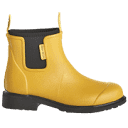
Merry People
Merry People sells neoprene-lined rubber boots for women, men and kids, plus waterproof leather Chelsea boots and outdoor accessories such as socks and boot bags. Prices sit in the mid-range: adult wellies £95-£115, children’s £55-£65, leather boots £150. The brand trades only through its own UK website, pop-up events and a network of independent garden-centre and lifestyle stores; it does not operate its own permanent bricks-and-mortar shops.
The boots are built on a natural-rubber upper with 4 mm insulating neoprene lining, seam-sealed construction and a traction outsole, marketed as all-season footwear rather than pure rain gear. Signature colours—ochre, olive, berry and black—are carried year-round, while limited seasonal drops sell out quickly. Merry People emphasises vegan materials, 100 % recyclable packaging and a one-year warranty, positioning itself as a responsible outdoor brand.
Core buyers are 25-45-year-old urban commuters, weekend dog-walkers and festival-goers who want waterproof footwear that looks like a fashion Chelsea boot. The brand appeals to value-driven consumers seeking cruelty-free, plastic-free packaging and small-batch production; Instagram content features real customers gardening, hiking and doing school runs.
Merry People competes against heritage British wellington labels and fast-fashion rain boots by offering a slimmer silhouette, year-round wearability and transparent ethical sourcing. Where competitors focus on farming or festival extremes, Merry People targets daily city-to-country crossover use, backed by responsive customer service and a 30-day free-return policy.
Stylish boots that go from city streets to muddy gardens without apology
- Recycled
- Independent
- Ethical
- Vegan
- Cruelty-free
Visit site
Misinimoc
Misinimoc.com is an online-only store that focuses on minimalist footwear and pared-down lifestyle accessories. The core line is unisex barefoot-style sneakers, loafers and sandals priced USD 90-140, situating the brand in the accessible-to-mid segment. Complementary categories include thin merino socks, cork insoles and compact cotton-canvas carry goods, all sold exclusively through its Shopify-powered site with free global shipping thresholds.
The label’s hook is “maximum feel, minimum shoe”: every model uses wide toe-box lasts, zero-drop rubber soles under 6 mm and vegan or recycled uppers. Best-sellers are the MOC-01 slip-on and the 360-Flex runner, both under 250 g per shoe and shipped in a fold-flat recycled-cardboard box that doubles as a storage tray. Misinimoc offsets production emissions via a verified reforestation partner and publishes material sourcing audits on each product page.
Customers are 25-40-year-old urban professionals who commute on foot or bike, practice yoga or functional fitness, and value decluttered wardrobes. They buy because the shoes satisfy workplace dress codes while preserving barefoot biomechanics and because the neutral color palette (black, sand, sage, stone) supports a capsule-wardrobe ethos.
Misinimoc competes with heritage barefoot labels and sustainable sneaker start-ups; it differentiates by keeping prices below the premium tier, offering half-sizes, and limiting SKUs to perennial restocks rather than seasonal drops. The direct-to-consumer model keeps margins lean, funding material upgrades and carbon offsets without retail mark-ups.
Feel the ground, dress for the office, own nothing extra
Visit site
Ocelot Market
Ocelot Market operates a tightly curated e-commerce site stocked with women’s, men’s and unisex apparel, leather footwear, small-batch jewelry, hand-loomed home textiles and apothecary. Most pieces fall between $48 for linen tees and $420 for vegetable-tanned leather boots, placing the offer in the accessible-to-premium bracket. Sales are online-only, shipped from Austin, TX with carbon-offset delivery.
The company sources exclusively from family workshops and certified fair-trade cooperatives across Latin America, Turkey, Morocco and Japan, publishing maker bios and cost breakdowns for every SKU. Signature collections include the Oaxaca-woven “Trama” cotton dresses and the “Cactus” line of nopal-based vegan leather bags, both of which routinely sell out within days. Limited 20–40 piece drops keep inventory turning and reinforce scarcity.
Shoppers are 25-40-year-old design professionals, creatives and graduate students who prioritize traceability over trend velocity and will pay 20-30 % above fast-fashion prices for verified ethical production. The brand’s storytelling—bilingual hangtags, artisan videos and carbon-neutral pledge—aligns with values of conscious consumption, slow travel and cultural preservation.
Competitors include other digitally native “ethical minimal” boutiques and marketplace platforms that aggregate sustainable labels. Ocelot differentiates through hyper-limited runs, single-site checkout, region-specific artisan partnerships and transparent landed-cost reports, creating a tighter narrative than broader assortments can deliver.
Wear stories, not trends, from makers you'll actually know
- Sustainable
- Handmade
- Ethical
- Vegan
Visit site
Stepprs
Stepprs is a direct-to-consumer footwear label that sells lightweight, machine-washable slip-on shoes built from recycled knit uppers and sugar-cane EVA soles. The current line spans everyday sneakers, water-friendly clogs, and limited-edition color drops, all priced between $68 and $98—solidly mid-range. Orders are placed only through stepprs.com; no wholesale or marketplace listings are used.
The brand’s core pitch is “shoes you can hose off”: every pair weighs under 8 oz, is 100% vegan, and ships in a molded pulp clamshell that doubles as a wash-and-dry cradle. A removable cork insole infused with charcoal is marketed as odor-controlling, and the knit upper is spun from eight recycled plastic bottles. Their best-known SKU is the “Pace” clog, which sold out its first 5,000-unit run in 48 hours after a TikTok demo.
Stepprs targets eco-minded millennials and Gen-Z consumers who commute by bike or public transit and want a single pair of shoes that moves from office to gym to weekend camping. Buyers value sustainability credentials, minimalist aesthetics, and low-maintenance care; the brand’s Instagram feed features user videos hosing mud off shoes at music festivals.
They compete in the washable, plant-based sneaker niche against labels that emphasize either sustainability or convenience, rarely both. Stepprs differentiates by combining recycled yarn, carbon-negative soles, and sub-$100 pricing while keeping the entire supply chain within a 300-mile radius of Porto, Portugal, allowing carbon-neutral shipping to the U.S. and EU within five days.
Shoes that clean themselves, so you don't have to think twice
Visit site
Komodo
Komodo is a UK-based sustainable-fashion label selling women’s and men’s apparel, accessories and small lifestyle goods. Core categories are organic-cotton tees & sweats, hemp denim, recycled-poly outerwear and hand-knit jumpers priced £45-£250, situating the brand in the mid-range bracket. Distribution is DTC through komodo.online plus about 250 independent boutiques and eco-minded department stores across Europe, North America and Japan.
Founded in 1988, Komodo was one of the first European brands to convert entire ranges to GOTS-certified organic cotton, hemp and Tencel, and has been vegan-approved by PETA since 2019. Signature pieces include the “Hemp Denim 5-Pocket Jean,” the recycled-fiber “K-Jacket” and brightly patterned fair-isle knits produced in small Nepalese cooperatives; every garment ships in compostable bags with a lifetime-repair voucher.
Customers are 25-45-year-old design-conscious urbanites who prioritize environmental impact, animal welfare and transparency over fast-fashion trends. They value wardrobe staples that combine minimalist aesthetics with ethical provenance, and are willing to pay 15-25 % more for verified sustainable materials and long product lifespans.
Komodo competes in the crowded “contemporary sustainable” segment against labels offering organic basics or recycled outerwear; it differentiates by integrating long-standing artisan partnerships, small-batch production runs and a single-digit carbon footprint verified annually by Climate Neutral, while keeping prices below premium designer tiers.
Timeless pieces that prove sustainability and style needn't compromise
- Sustainable
- Recycled
- Handmade
- Independent
- Organic
- Ethical
- Vegan
Visit site
The Shoe Genie
The Shoe Genie is a mid-range, online-only retailer that stocks women’s, men’s and kids’ fashion footwear plus a small line of bags and shoe-care accessories. Typical price points sit between $60 and $160, with most leather boots, sneakers and heels clustering around $99. Orders ship from a U.S. warehouse to North America and select EU markets; there is no brick-and-mortar network.
The site positions itself as a “trend translator,” releasing new styles weekly that mirror runway looks at roughly one-third the designer price. Its private-label “Genie Alchemy” collection uses vegan leather and recycled knit uppers, giving the brand a recognizable eco-conscious sub-line. Free 24-hour color-swap and wide-width customization on core SKUs is promoted as a signature perk.
Core shoppers are 18-35-year-old fashion followers who want current silhouettes without premium-brand mark-ups and who value quick trend turnover over heritage prestige. Instagram-led discovery is high: customers tag #ShoeGenieFind to show how they style a single pair across work, weekend and nightlife, aligning with a “cost-per-wear” mindset and sustainability curiosity.
Competitors include fast-fashion footwear chains, value-priced designer-offshoot labels and mid-tier e-commerce marketplaces. The Shoe Genie differentiates through rapid micro-drop cadence, inclusive sizing options, carbon-neutral shipping as standard and a 90-day no-fee return window—policies that outpace most comparably priced rivals.
Runway trends, your budget, shipped tomorrow
Visit site
8000kicks
8000kicks sells hemp-based footwear and accessories, anchored by waterproof sneakers and boots for men and women. Prices sit in the mid-range bracket: most styles USD 129–159, with limited editions around USD 199. Distribution is direct-to-consumer through 8000kicks.com and select European marketplaces; no owned retail stores.
The brand’s core claim is “the world’s first waterproof hemp shoe,” achieved by weaving hemp fibers with a bio-based waterproof membrane and sealing seams with recycled polyester. Hemp delivers natural antimicrobial odor control, 3× the tensile strength of cotton, and a carbon-negative cultivation footprint. Their Explorer V2 sneaker and Freak boots are the flagship SKUs, each pair weighing under 10 oz and backed by a 1-year waterproof guarantee.
Customers are 20-40-year-old urban professionals, travelers, and vegans who want performance gear without petrochemical plastics or animal products. They value sustainability metrics posted on every product page—1.2 kg CO₂ offset, 72% fewer chemicals versus leather sneakers—and favor minimalist styling that transitions from city commute to weekend hikes.
8000kicks competes in the eco-sneaker space against brands using recycled ocean plastic, algae foam, or leather substitutes. Differentiation comes from industrial-grade hemp uppers that are both naturally strong and compostable at end-of-life, plus a lifetime re-sole program that keeps pairs out of landfill and lowers total cost of ownership.
Hemp shoes that walk from city streets to mountain trails without compromise
Visit site
barefootpals.shoes
Barefootpals.shoes sells minimalist, zero-drop footwear for adults and kids: everyday sneakers, trail runners, leather loafers, and water-ready sandals, all built on ultra-thin, flexible soles. Prices sit in the mid-range bracket—most styles USD 89–139—available only through the brand’s own Shopify site with global shipping and a 30-day trial period.
The label’s USP is its “barefoot-for-all” sizing system that offers four width fittings per EU size and a removable 3 mm insole that lets buyers fine-tune ground feel. Every shoe uses vegan or LWG-certified leather uppers, recycled polyester knit, and a 5 000-mile outsole warranty—claims backed by published lifecycle data on each product page.
Customers are health-conscious parents, CrossFit converts, and office workers rehabbing foot pain who want biomechanically friendly shoes without the “techie” look. The brand’s Instagram community of 120 k followers shares foot-strength challenges, reinforcing values of natural movement, transparency, and inclusive sizing rather than performance elitism.
Barefootpals competes in the widening minimalist niche against heritage outdoor marques and niche biomechanics startups; it differentiates by combining everyday styling with pediatric and extra-wide options, a lower entry price, and carbon-labeled supply-chain reporting—tactics that court mainstream shoppers curious about barefoot benefits but unwilling to sacrifice aesthetics or ethics.
Feel the ground, look like yourself, fix your feet
Visit site
Gaby's Bags
Gaby’s Bags is an online-only boutique that focuses on women’s handbags, totes, cross-bodies, clutches and small leather goods. Most styles sit in the $60-$180 band, placing the offer squarely in the mid-range between fast-fashion and designer labels. The site drops new arrivals weekly and ships across the United States.
The brand positions itself as “designer look without the designer tax,” reproducing current runway shapes in vegan leather or lightly corrected hides. Best-known pieces include the reversible tote set, the quilted chain cross-body and the weekender duffel that folds into its own pouch; each SKU is produced in small 100-300-piece runs and restocked only if demand is proven. Product pages list factory photos, wholesale cost breakdowns and compare-at prices to underline value.
Core shoppers are 18-35-year-old women who follow fashion influencers on TikTok and Instagram but resist four-figure price tags. They value trend responsiveness, price transparency and the ability to buy a complete color story rather than one investment bag; many post haul videos tagging the brand for repost.
Gaby’s Bags competes with other e-commerce-driven, mid-priced accessory sites that import from the same Guangzhou and Mumbai factories. It differentiates through faster micro-releases, public cost breakdowns and a no-questions-asked 60-day return window, reducing the perceived risk of buying mid-range bags sight-unseen.
Designer trends, actual prices, new drops every week
Visit site
Daniella Shevel
Daniella Shevel sells luxury women’s footwear—boots, pumps, mules, sneakers, and occasion sandals—priced $350-$1,200, placing it in the premium tier. All styles are designed in New York and produced in small-batch Italian factories; distribution is direct-to-consumer through the brand’s e-commerce site and its SoHo showroom, with no wholesale accounts.
The brand’s signature is sculptural, wearable heels built on an in-house developed memory-foam last that claims 12-hour comfort. Best-known pieces include the “Talia” square-toe knee boot and the reversible “Larissa” pump, both stocked in extended size runs 4-13 and multiple width options. Limited-edition drops in Italian patent, croc-embossed, and sustainable vegan leather sell out within days.
Core customers are 25-45-year-old professional women in fashion, tech, and media who want statement shoes that travel from desk to dinner without pain. They value female-founded design, small-batch exclusivity, and Instagram-friendly silhouettes that photograph as luxury but feel like sneakers.
Daniella Shevel competes in the crowded designer shoe space dominated by European heritage labels and celebrity-backed lines. It differentiates through direct-to-consumer pricing that undercuts comparable Italian-made shoes by 25-30%, inclusive sizing rare in luxury footwear, and a comfort technology narrative traditionally owned by athletic brands rather than fashion houses.
Sculptural heels that feel like sneakers, from a female founder in SoHo
Visit site
Footroen
Footroen sells lightweight, barefoot-style sneakers and slip-ons for men and women, priced USD 79–119, placing them in the mid-range segment. All models are vegan, machine-washable, and sold exclusively through footroen.com with free worldwide shipping; no third-party retailers or marketplaces are used.
The brand’s core promise is “zero-drop, zero-waste, zero hassle”: every shoe has a 4 mm ultra-flex sole, recycled knit upper, and ships in a single-piece recycled-paper mailer that doubles as the return package. Their best-known line is the “CloudWeave” collection, advertised as weighing 165 g per shoe and backed by a 30-day “feel-nothing-or-send-back” guarantee.
Customers are 25-40-year-old urban professionals who commute on foot or bike, practice yoga or CrossFit, and want a shoe that transitions from gym to office without looking technical. Sustainability and minimalist aesthetics outweigh logo prestige; buyers value carbon-neutral shipping and the ability to recycle worn pairs through Footroen’s prepaid send-back program.
Footroen competes in the barefoot-casual niche against brands that either charge premium prices for performance runners or offer budget knit sneakers with conventional cushioned soles. It differentiates by hitting the middle on price, keeping style minimal enough for workwear, and wrapping the entire lifecycle—production, packaging, and take-back—into one carbon-neutral loop.
Shoes that weigh nothing, cost everything that matters, feel like freedom
Visit site
Yamishoes
Yamishoes sells minimalist, barefoot-style shoes for adults and kids, plus socks and accessories. Prices sit in the mid-range bracket: adult models run $110–$140, children’s $65–$85. The brand is digital-native, shipping worldwide from its U.S. warehouse and listing on Amazon, with no owned retail stores.
Every pair uses a zero-drop, 10 mm-thick natural rubber outsole and a wide, anatomical toe box; uppers are vegan knit or leather sourced from LWG-certified tanneries. The 2021 “Yami-Flex” knit runner became the brand’s first six-figure SKU after a TikTok review that garnered 4 million views. Yamishoes positions itself as “movement footwear,” supplying podiatrist-approved flexibility data on each product page.
Core buyers are 25-45-year-old urban professionals who CrossFit, trail-run, or commute by foot and want foot-strength benefits without the five-toe look. Parents seeking thin, flexible shoes for developing feet make up 28 % of repeat orders. The brand appeals to values of biomechanical health, sustainability, and understated design that pairs with office attire.
Yamishoes competes against both legacy athletic giants making “minimal” lines and niche barefoot specialists. It differentiates by offering podiatrist collaboration, half-sizes, a 30-day trial program, and carbon-neutral shipping at a price point below most premium barefoot labels while keeping materials vegan or leather-certified.
Your feet deserve to move naturally, without looking like it
Visit site
simmi
Simmi is a UK-based, online-only women’s footwear label selling trend-led heels, boots, sandals and trainers priced £25-£80, sitting in the budget-to-mid range. The site drops 50-100 new SKUs weekly and ships worldwide from a central Manchester warehouse; no standalone stores exist, although selected lines are stocked on ASOS and Amazon Fashion.
The brand’s USP is translating catwalk and influencer silhouettes—square-toe mules, lace-up thigh boots, clear vinyl heels—into affordable pairs within 2-4 weeks of trend emergence. Vegan-certified ranges and inclusive sizing (UK 2-11) are promoted heavily on TikTok and Instagram, where #simmishoes counts 70 m tagged posts. Frequent “30 % off everything” flash sales keep inventory turning quickly.
Core shoppers are 16-30-year-old fashion followers who want Instagram-ready footwear without premium outlay; students make up 35 % of traffic. They value novelty, body-positive imagery and cruelty-free options, and rely on user-generated fit videos before buying.
Simmi competes with other ultra-fast-fashion footwear e-tailers that replicate runway shapes at low prices. It differentiates by faster restock cadence, broader size curve and aggressive social-first marketing rather than celebrity campaigns, keeping average selling price 15-20 % below comparable trend-driven sites while maintaining UK-based fulfillment for next-day domestic delivery.
Visit site
Sanotawalkers
Sanotawalkers.com sells lightweight orthopedic walking sandals and slip-ons for men and women, grouped into three collections: Recovery, Urban, and Trail. Prices sit in the mid-range band (US $70-120 per pair) and all sales are processed through the brand’s own Shopify site; no third-party marketplaces or brick-and-mortar stockists are listed.
The shoes are built around a podiatrist-designed EVA rocker sole that the company claims reduces plantar pressure by 28 %. Every model is machine-washable, vegan, and shipped in zero-plastic packaging—points Sanotawalkers highlights in all its product pages and ads. The “Recovery” line in pastel colors is the best-known SKU and accounts for most of the site’s reviews.
Core buyers are 40-65-year-olds who log 5,000-10,000 daily steps and want joint relief without “medical” styling. Marketing imagery shows active retirees, dog-walkers, and commuter professionals; copy emphasizes pain reduction, sustainability, and “go-anywhere” minimal aesthetics rather than fashion trends.
Sanotawalkers competes in the comfort-footwear space dominated by legacy orthopedic and athletic recovery brands. It differentiates through lower weight (average 180 g per sandal), a 30-day wear-test guarantee, and DTC pricing that undercuts premium orthopedic labels by roughly 30 % while still offering arch-support technology.
Orthopedic comfort that actually looks like something you'd want to wear
Visit site
Kalesafe
Kalesafe sells chemical-free, ready-to-eat kale chips in flavors such as Sea Salt, Vegan Cheese and Spicy Miso; single-serve bags run $3.99-$4.49 and multi-pack bundles $21-$36, placing the line in the mid-range snack bracket. Orders are fulfilled only through the brand’s own site, with nationwide U.S. shipping and a 15 % subscribe-and-save option; no retail distribution is listed.
The chips are air-crisped below 115 °F to stay raw and retain nutrients, then nitrogen-flushed so shelf life reaches nine months without preservatives. Kalesafe promotes “farm-to-bag in 72 hrs,” sourcing leafy greens from small Northern California growers and upcycling outer leaves that supermarkets discard.
Core buyers are 25-45-year-old urban professionals who follow plant-based, gluten-free or keto diets and want savory crunch without frying or synthetic additives. The brand speaks to convenience wellness—office snacks, post-workout fuel and kid lunchboxes—supported by bright, ingredient-transparent packaging that photographs well for social sharing.
Kalesafe competes in the crowded better-for-you chip aisle against both dehydrated vegetable crisps and high-end potato alternatives; it differentiates by using only kale, staying raw/organic and offering direct-to-consumer freshness that traditional bagged brands cannot match.
Crispy kale that actually tastes good, straight from California farms
Visit site
jwpei
JW PEI sells vegan leather handbags, wallets, cross-body bags, totes and small accessories priced USD 89-249—solidly mid-range. The Los Angeles-based label is direct-to-consumer only, fulfilling through jwpei.com with free U.S. shipping and limited global drops.
The brand’s calling card is sculpted, minimalist shapes—half-moon, geometric flap and “Egg” bags—made from recycled, high-grade polyurethane and plant-based fibers, then finished with matte gold hardware. JW PEI gained traction on Instagram after Gigi Hadid and Megan Fox carried the Gabbi ruched hobo, a style that now sits permanently in the “Best-Sellers” section.
Core buyers are 18-35 fashion-savvy women who want runway silhouettes without animal products or four-figure price tags; sustainability, gender-neutral colorways and photogenic design are key purchase drivers. The label speaks to a cruelty-free, trend-driven lifestyle and markets heavily through TikTok micro-influencers and user-generated “unboxing” reels.
JW PEI competes in the accessible luxury vegan bag space, where most players either price under $60 or above $400; it differentiates by hitting the middle with designer-grade construction, limited-edition drops every 4-6 weeks, and rapid social-media turnaround that keeps inventory fresh without wholesale mark-ups.
Runway silhouettes that don't require a four-figure budget or animal sacrifice
- Sustainable
- Recycled
- Vegan
- Cruelty-free
Visit site
Linodes
Linodes is a direct-to-consumer women’s footwear label that sells ballet flats, loafers, mules, and low-heel pumps priced mainly between USD 120 and 180—squarely mid-range. All styles are stocked only on its own site, linodeshoes.com, with periodic small-batch drops that sell through quickly and are rarely restocked.
The brand’s calling card is washable, packable Italian leather: every pair is fully machine-washable, folds flat to under 1 cm, and rebounds to shape without creasing. This patented “LinoFlex” construction has made the original round-toe ballet flat a perennial wait-list item and spawned seasonal limited-editions in patent, suede, and vegan apple-leather.
Linodes targets urban professional women aged 25-45 who commute on foot, travel carry-on only, and want work-to-weekend shoes that survive subways, hotel sinks, and TSA bins. Shoppers value practicality over logos and favor brands that solve wardrobe pain points with discreet engineering rather than overt techwear styling.
Competitors include heritage leather-goods houses that now market foldable ranges and athleisure brands pushing commuter comfort; Linodes differentiates by making washability and packability the core—not an add-on—of every style, then backing it with a 90-day wear-and-wash guarantee.
Shoes that wash, pack, and work as hard as you do
Visit site
Getbarestep
Getbarestep sells minimalist, barefoot-style shoes for men, women and kids: everyday sneakers, trail runners, casual slip-ons and dress loafers priced USD 89–149, situating the brand in the mid-range segment. All inventory is held at a U.S. warehouse; orders are placed only through getbarestep.com with free domestic shipping and 30-day returns.
The shoes use an ultra-wide anatomical toe-box, zero-drop flexible sole (6 mm stack) and vegan, machine-washable knit uppers. Every model is released in limited color drops promoted on Instagram and Reddit barefoot communities, creating quick sell-outs and wait-lists.
Core buyers are 25-45-year-old urban professionals, CrossFitters and hikers who value foot-strength, posture improvement and packable travel gear; parents buying for toddlers also comprise a growing segment. The brand speaks in science-backed infographics, emphasizing “let your feet move” over traditional support.
Getbarestep competes with other direct-to-consumer barefoot labels that import from Asian factories; it differentiates by holding U.S. stock for 2-day delivery, pricing 20-30 % below comparable models, and publishing third-party flexibility tests on every product page.
Your feet were meant to move, not compromise
Visit site
Crosskix
Crosskix sells lightweight EVA-molded athletic shoes and water-ready footwear for men, women and kids, priced mid-range at $55-$90 per pair. The product line centers on two models—the original Crosskix and the newer Crosskix 2.0—sold direct-to-consumer through crosskix.com and Amazon, with no permanent brick-and-mortar presence.
The brand’s calling card is a drainage-hole design that functions equally as a running shoe and an amphibious water shoe, drying in under 30 minutes. All pairs are vegan, odor-resistant, and shipped in recyclable packaging, positioning Crosskix as a functional crossover between sneaker and sandal rather than a fashion clog.
Buyers are outdoor multitaskers—obstacle-course racers, paddle-boarders, travelers and parents—who want one shoe for gym, trail, beach and hose-off cleanup. The appeal is practical minimalism: pack lighter, rinse clean, replace less often.
Competitors include closed-cell foam clogs, lightweight trail runners and niche water shoes; Crosskix differentiates by marketing a single hybrid silhouette tuned for both mileage and submersion, backed by a 30-day “no-questions” wear test guarantee.
One shoe for every adventure, then rinse and go
Visit site