60 brands to discover.

Lattelierstore
Lattelierstore is a direct-to-consumer women’s fashion label that focuses on elevated basics and minimalist statement pieces in natural fabrics—linen, cotton, silk, cashmere and wool. Core categories are relaxed suiting, oversized shirts, knit dresses, leather totes and small accessories priced $80-$380, placing the brand in the contemporary/mid-range tier. Sales are online-only through the house site and periodic Instagram drops; no wholesale or brick-and-mortar inventory is maintained.
The brand’s identity rests on “quiet luxury” staples cut in neutral palettes with architectural silhouettes: dropped shoulders, raw hems and sculptural draping that photograph well flat-lay or worn. Signature items include the double-layer linen blazer, washed-silk cargo dress and recycled-leather “Soft Box” tote, each restocked in limited runs that routinely sell out within days. Product pages list fiber origin, weight in grams and garment measurements, underscoring a fabric-first, detail-oriented ethos.
Customers are 25-40-year-old creative professionals and content creators who want designer-level cuts without visible logos or runway pricing. They value slow-turn wardrobes, neutral color stories that mix across seasons, and packaging that is plastic-free and gift-ready. The brand’s lookbooks feature diverse, minimally made-up models in real apartments and studios, reinforcing an inclusive, urban-creative lifestyle.
Lattelierstore competes in the crowded “accessible luxury” e-commerce space against labels that use similar neutral palettes and natural fabrics but rely on wholesale mark-ups or influencer capsule fatigue. It differentiates by keeping the entire supply chain in-house, releasing micro-collections monthly rather than seasonal bulk, and pricing 30-40 % below comparable designer construction while offering free global shipping and 30-day hassle returns.
Architectural neutrals that feel like designer secrets, priced for real life
Visit site
Eraldo
Eraldo.com is a multi-brand luxury e-commerce platform that carries women’s, men’s and kids’ ready-to-wear, footwear, bags and accessories from roughly 250 fashion houses. Price points run from mid-range contemporary labels (€200-500) through premium designers (€500-1,500) to runway-tier pieces that exceed €3,000. The company operates exclusively online, shipping to 150-plus countries from a single European warehouse.
Founded in 2017 by the family behind the 50-year-old Cosenza boutique chain, Eraldo differentiates itself with an edit that mixes heritage Maisons with emerging avant-garde names and hard-to-find capsule collections. Weekly drops, limited-run collabs and early-season pre-orders give shoppers access to pieces months before standard retail windows. The site also produces original editorial shoots and short-form videos that style new arrivals with vintage archive pieces, reinforcing its fashion-insider credibility.
Core customers are 25-45-year-old urban professionals across Europe, the U.S. and East Asia who follow runway shows on social media and value novelty over logo-driven status. They buy from Eraldo for first-run inventory, Italian-centric sizing guidance and multilingual customer care that arranges same-day delivery inside the EU and DDP (duties-paid) shipping elsewhere. Sustainability matters to the clientele, so the platform highlights organic fabrics, recycled packaging and carbon-neutral courier options.
Eraldo competes in the crowded online luxury department store space by narrowing its brand list to labels that resonate with contemporary tastemakers rather than stocking every legacy house. Faster restock cycles, smaller buy quantities and editorial curation create a boutique feel at scale, while loyalty perks—private sale previews, free alterations and 30-day returns—offset the absence of physical try-on.
Runway pieces months early, edited like your favorite boutique, shipped from Europe
- Sustainable
- Recycled
- Organic
Visit site
Wheelhabit
Wheelhabit sells aftermarket alloy and steel wheels for passenger cars, SUVs and light trucks, plus matching TPMS sensors, lug kits and center caps. Most SKUs sit in the mid-range price band—typically USD 140–260 per wheel—while flow-form and rotary-forged sets edge into premium territory at USD 300–350 each. The company is digital-first: 100 % of orders flow through wheelhabit.com with free 48-hour shipping to the lower 48 states; there is no brick-and-mortar network.
The brand’s key differentiator is its 3-D vehicle visualizer that overlays exact wheel designs on a customer’s own ride using license-plate VIN lookup, eliminating fitment guesswork. Wheelhabit stocks only JWL/VIA- and TÜV-certified rims, publishes real-time inventory, and guarantees delivery within two business days or 10 % off. Its best-known line-up is the “HabitFormed” flow-form series, offered in 8.5–11-inch widths and 5–40 mm offsets that cover most late-model performance sedans and CUVs.
Core buyers are 18-35-year-old enthusiasts who modify daily-driven VWs, Subarus, Hondas and entry-luxury Germans but need financing and fast turnaround. They value precise fitment data, aggressive widths that clear big brakes, and finishes such as matte bronze or gloss gunmetal that photograph well for social media. Eco-conscious customers also respond to Wheelhabit’s optional carbon-offset shipping and wheel-to-wheel recycling program for take-offs.
Wheelhabit competes with large online wheel marketplaces and discount tire chains that aggregate dozens of brands. It counters by curating a tighter, performance-oriented catalog, providing proprietary fitment verification tools, and maintaining its own U.S. fulfillment center to cut delivery times in half versus drop-ship rivals.
See your exact wheels on your car before you buy
Visit site
Origo Shoes
Origo Shoes sells hand-crafted leather footwear for men and women, split among three core lines: dress oxfords, loafers and ankle boots; casual sneakers and drivers; and limited-run sustainable editions using vegetable-tanned hides. Prices sit squarely in the mid-range bracket, with most pairs between $160 and $260. The label is digital-native—orders are placed only through origo-shoes.com and shipped from its Barcelona atelier to 28 countries.
Every style is produced in small batches of 60–120 pairs, cut and lasted in the same third-generation workshop that supplies the brand; turnaround from sketch to warehouse is under four weeks, letting Origo drop new colors monthly without carrying excess inventory. The shoes are built on Blake-stitched soles that can be resoled, and each pair ships with a spare set of laces and a recycled-cotton dust bag. The “Re-Origo” line, launched 2022, offers a 20 % credit for returned worn pairs that are then refurbished for resale.
Core buyers are 25-40-year-old urban professionals who want classic silhouettes but avoid heritage-house mark-ups; 62 % of site traffic comes from mobile, and the repeat-purchase rate is 38 % within 12 months. Customers rank “repairable construction” and “transparent sourcing” as top decision drivers, aligning with values of reduced consumption and capsule wardrobes.
Origo competes against two tiers: heritage European makers selling through department stores and direct-to-consumer vegan or recycled-knit sneaker start-ups. It differentiates by merging traditional leather craft with rapid-drop agility, offering resoleable construction at half the price of legacy bench-made brands while using LWG-certified leather tanneries audited for water and energy use.
Handmade leather that's built to last, not to languish
Visit site
Gisada
Gisada is a Swiss fragrance house that sells eau de parfum, eau de toilette, body care and travel-size sets priced in the premium segment (50 ml bottles CHF 95-150, 100 ml CHF 140-220). The line is built around two collections—Icon for men and Ambassador for women—supplemented by limited seasonal editions. Products are sold through the brand’s own e-commerce site, a network of perfumeries and department stores across the DACH region, and duty-free locations in Zurich and Geneva airports.
The brand positions itself as “Swiss precision in a bottle,” emphasizing small-batch production, IFRA-certified clean formulas and recyclable glass. Each fragrance lists its exact concentration (often 18-22 %), and caps are magnetized to create an audible “click” that has become a signature detail. The 2022 release “Icon Racing Red” won the Duftstars Award in Germany for best men’s luxury launch, giving the house its widest recognition to date.
Core buyers are 25-45-year-old professionals who want a niche scent profile without the opacity of artisanal brands; they value measurable quality, understated packaging and a clear Swiss origin. Gisada’s marketing leans on crisp alpine imagery and concise copy that mirrors the minimalist aesthetic favored by architects, designers and finance workers in Zurich and Munich.
Gisada competes with mid-size European luxury perfume labels that sit between designer giants and micro-niche ateliers. It differentiates by offering higher fragrance concentration than mainstream premium lines while keeping retail prices 20-30 % below comparable niche Swiss houses, and by foregrounding technical data—exact oil percentages, production lot numbers and GC-MS purity reports—on every box.
Swiss precision meets transparent luxury, no pretense required
Visit site
Hywell
Hywell is an online-only retailer that focuses on compact, motorized desk converters and foldable under-desk treadmills priced between $159 and $499, squarely in the mid-range home-office segment. The catalog is intentionally narrow: five treadmill models, three sit-stand converters, and a handful of accessories such as anti-fatigue mats and cable trays, all sold exclusively through hywellstore.com and Amazon with free U.S. shipping.
The brand’s hook is “office fitness without replacing your desk”; every treadmill folds to 5.5 in thick and every converter arrives pre-assembled, ready to use in under three minutes. Hywell’s best-known SKUs are the T5 under-desk treadmill (55 lb, 0–6.2 mph, 265 lb user capacity) and the D28 electric riser that lifts 33 lb on a single motor while keeping the original desktop intact. Both products are routinely top-10 in Amazon’s “folding treadmill” and “desk converter” sub-categories.
Core buyers are 25-45-year-old remote professionals living in apartments or small homes who want calorie burn but cannot dedicate a room to gym equipment. They value space efficiency, quiet operation (advertised ≤55 dB), and minimalist aesthetics that blend with existing furniture; sustainability is secondary, although Hywell highlights recyclable steel frames and ROHS-certified motors.
Hywell competes with generic Chinese OEM brands sold on Amazon and with larger fitness companies that offer full-size treadmills or standing desks. It differentiates by limiting the line to two complementary form factors, enforcing strict quality-control lot testing (documented on the site), and backing every product with a two-year warranty and U.S.-based replacement parts shipped within 48 hours.
Move more without moving your furniture
Visit site
Stepupsneakers
Step-upsneakers.com is an online-only retailer that specializes in aftermarket customization of Nike, Jordan, Yeezy and New Balance sneakers. Core categories include hand-painted, dyed and deconstructed limited-edition pairs, lace-swap kits, and protective care products; prices run from mid-range (≈ $280) to premium (≈ $1,200) depending on rarity and labor hours. All inventory is drop-shipped from independent artists’ studios; no physical stores exist.
The brand’s signature is its “1-of-1 Custom” filter that guarantees no repeat design, backed by a blockchain-based authenticity card stitched under the insole. Notable drops are the UV-reactive Jordan 1 “Ghost” series and the 3-D printed Yeezy 350 “Bone Spikes,” both of which sell out within minutes and resell above $2k on StockX. Step-up also offers a “Re-sole & Re-imagine” program that recycles worn pairs into new colorways, positioning itself at the intersection of sustainability and exclusivity.
Customers are 16-30-year-old hypebeasts and TikTok creators who treat sneakers as tradable content; 68 % of site traffic comes from mobile and 42 % from sneaker-subreddit referral links. They value individuality, resale upside, and the ability to film a “before/after” reveal that racks up views; limited runs of 30-60 pairs feed FOMO without requiring bot-level spending.
Step-upsneakers competes with mass-customization platforms and high-end bespoke ateliers by offering artist-level craftsmanship at a price below full bespoke yet above Nike By You. Its differentiation lies in hyper-limited quantities, blockchain provenance, and a resale-friendly ecosystem that tracks appreciation on its own marketplace, turning buyers into micro-investors.
Own sneakers nobody else can ever wear again
- Sustainable
- Recycled
- Independent
Visit site
Bernardo
Bernardo sells women’s footwear—sandals, boots, mules, and sneakers—made almost entirely from Italian leather and eco-friendly faux alternatives. Retail prices sit in the mid-range bracket, typically $120-$250, with occasional limited-edition styles reaching $350. The brand operates its own e-commerce site and ships throughout North America, while also wholesaling to upscale department stores and specialty boutiques in the U.S. and Canada.
Founded in 1946 as a Miami-based importer of Argentine sandals, Bernardo is best known for creating the original “America” style in 1954, a minimalist leather sandal still produced today. The company positions itself as a heritage American label that pairs mid-century silhouettes with contemporary comfort technology such as memory-foam footbeds and flexible rubber-injected outsoles. Recent collections emphasize sustainable tanning, recycled linings, and small-batch production runs manufactured in family-owned Brazilian factories.
Core customers are women 30-60 who want polished vacation or city footwear that looks designer but does not carry designer pricing. Shoppers value packability, arch support, and transitional styling that works from office to resort; the brand’s Made-in-the-Americas story and increasing use of eco materials appeal to buyers seeking ethical yet fashionable alternatives to fast fashion.
Bernardo competes in the accessible luxury footwear space against labels that market European styling at similar price points. It differentiates by highlighting its own archival American designs, maintaining a narrower SKU count focused on updated classics, and offering extended size ranges (4-13) with medium and wide widths.
Timeless sandals from 1954 that actually fit your life today
- Sustainable
- Recycled
- Independent
- Ethical
Visit site
Ajeworld
Ajeworld sells street-luxury jewelry and accessories for men and women: sterling-silver and 14 kt gold-plated rings, pendants, bracelets, earrings, plus belts, sunglasses and small leather goods. Most pieces sit between $80-$350, placing the brand in the upper-mid range; solid-gold special orders climb above $1 000. Distribution is 90 % direct-to-consumer through ajeworld.com, with the balance shipped to a handful of concept boutiques in Dubai, London and Riyadh.
The label is known for its “Desert-Techno” aesthetic—angular, hand-carved motifs inspired by Bedouin geometry and cyber-punk hardware, all cast in certified recycled metals. Signature items include the Cobra Signet, the Sand-Dune rope chain and limited “Sandstorm” drops that sell out within minutes. Every collection is released in micro-batches of 300-500 units, each piece laser-etched with an edition number and NFC chip for blockchain authentication.
Core buyers are 18-35, style-driven and mobile-first: hype culture followers, emerging musicians and Gulf-region creatives who want luxury codes without heritage-house pricing. They value scarcity, ethical sourcing and a narrative that fuses Middle-Eastern heritage with global streetwear cues. Social channels show customers styling the jewelry with both thobes and graphic hoodies, underscoring cross-cultural versatility.
Ajeworld competes in the crowded “accessible luxury” jewelry space dominated by Parisian, New York and Seoul-based demi-fine labels. It differentiates through region-rooted storytelling, gender-neutral silhouettes, faster drop cycles (4-week intervals) and carbon-neutral Gulf-to-door shipping that reaches major cities in under 48 hours.
Desert geometry meets cyber-punk swagger, no compromises
Visit site
Dottyfish
Dottyfish sells soft-sole leather baby and toddler shoes, plus matching accessories such as tights, socks, sun-hats and splash-proof outerwear. Prices sit in the mid-range bracket: most leather crib shoes retail £18-£24, boots and canvas ranges peak around £30, while accessories start at £6. The brand trades almost exclusively through its own UK website and Amazon storefront, shipping worldwide; wholesale is limited to a handful of independent children’s boutiques.
The company built its name on ultra-flexible, chrome-free leather “crawling/walking shoes” that are machine-washable at 30 °C; elasticated ankles and a wide fitting suit early walkers and children with chubby feet. Every pair is safety-tested to EU REACH and UKCA standards, offered in over 40 seasonal prints, and supplied in recycled cardboard pouches printed with eco-soy inks. Their best-known collections are the spotty “Dottie” original and the reflective-trim “Safari” range.
Primary buyers are new parents, grandparents and gift-givers looking for a lightweight first shoe recommended by podiatrists and nursery staff; they value foot-health credentials, affordable pricing and cute British patterns. The brand appeals to eco-conscious families who prefer natural materials, low-waste packaging and small-batch production that supports local illustrators.
Dottyfish competes in the crowded “soft-sole baby shoe” segment populated by Scandinavian moccasin labels, big-box high-street chains and premium organic boutiques. It differentiates through UK design, washable leather, medical-friendly width fitting, sub-£25 price points and direct-to-consumer convenience that ships within 24 hours from Sussex stock.
Beautifully patterned leather shoes that actually survive the washing machine
- Recycled
- Independent
- Organic
Visit site
Grinmore
Grinmore is an online-only retailer that focuses on LED oral-care devices: rechargeable electric toothbrushes, water flossers, replacement brush heads and travel cases. Most items sit in the $25-$60 band, putting the brand squarely in the mid-range bracket between drug-store basics and $200-plus dentist-dispensed systems. Orders are fulfilled through grinmorestore.com and shipped from U.S. warehouses; no physical retail presence is listed.
The company’s hero line is the “Grinmore LED Sonic” series, whose brush handles combine 40,000-vpm sonic motors with blue/red LED light panels marketed for plaque reduction and gum-soothing effects. Every device is USB-C rechargeable, rated IPX7 waterproof, and sold with a 365-day warranty and 30-day return window—terms longer than most direct-to-consumer rivals. Bundles that pair brush and flosser units under $80 are repeatedly promoted as starter kits.
Core buyers are 18-35-year-old North Americans who want dentist-style technology without clinic mark-ups or subscription lock-ins. Eco-conscious convenience appeals: brush heads come in recyclable paper packs, shipping is carbon-offset, and the brand’s Instagram feed showcases minimalist bathrooms and travel-friendly routines rather than medical settings.
Grinmore competes in the crowded mid-tier e-commerce oral-care space populated by private-label Amazon brands and venture-backed DTC startups. It differentiates through visible LED light therapy as a functional feature, a unified two-in-one flosser-plus-brush ecosystem, and a no-subscription model that keeps lifetime ownership costs low while still offering premium specs like magnetic motors and lithium batteries.
Dentist-grade LED tech you actually own, not rent
Visit site
Esska Shoes
Esska Shoes sells women’s footwear centered on everyday comfort: cushioned trainers, ergonomic sandals, lightweight slip-ons and low-profile boots. Prices sit in the mid-range band, typically £70-£120 per pair, and every style is offered in UK sizes 3-9 with half-sizes and multiple width options. The brand operates a direct-to-consumer model through esskashoes.com and a single London showroom; there is no wholesale network.
The label’s identity is built around podiatrist-approved design: deep toe boxes, memory-foam footbeds, shock-absorbing EVA midsoles and removable insoles to accommodate orthotics. Each collection is released in limited colour runs of muted, Scandinavian-influenced neutrals, and the shoes are manufactured in small Portuguese factories that also produce for premium comfort labels. Their best-known line is the “Cloud” trainer, advertised as weighing 180 g and selling out repeat drops within days.
Core buyers are women aged 35-55 who want shoes that look minimal and urban yet can be worn on 12-hour city days without discomfort; many customers are teachers, nurses and commuters who prioritise foot health over fashion trends. The brand appeals to value-driven shoppers who will pay slightly more for ethical European production, recyclable packaging and inclusive sizing.
Esska competes in the niche between orthopaedic comfort brands and mainstream fashion sneakers by offering biomechanical support without clinical styling. Where competitors either medicalise aesthetics or chase fast-fashion silhouettes, Esska keeps a pared-back design language and emphasises technical comfort features as standard, not optional upgrades.
Comfort that looks this good shouldn't feel this honest
Visit site
Souler
Souler.com is an online-only retailer that sells made-to-order canvas wall art, framed prints, and split multi-panel sets. Prices sit in the mid-range bracket: single canvases start around $49 and climb to about $189 for oversized five-panel layouts, with frequent site-wide discounts. Every order is manufactured after purchase and drop-shipped directly from U.S. and EU print labs; there is no wholesale or brick-and-mortar inventory.
The brand’s hook is hyper-customization: shoppers can change palette, add text, select wrap thickness, or upload their own photo to be rendered in the same hand-painted texture as the catalog designs. A proprietary “live wall” AR preview lets users see the piece on their exact wall color before checkout. Limited-edition drops of 500 units per design and lifetime color-fade warranties reinforce a premium yet accessible positioning.
Core buyers are 25-40-year-old renters and first-time homeowners who want statement art without gallery prices. They value individuality, Instagram-ready interiors, and the ability to coordinate artwork with RGB smart-lighting schemes. Eco-solvent inks and FSC-certified frames appeal to the same sustainability-minded segment that favors small-batch fashion and recycled décor.
Souler competes in the crowded custom wall-art space populated by print-on-demand marketplaces and low-cost Amazon canvas sellers. It differentiates through curated, design-forward motifs (not user-submitted chaos), AR visualization, and North-American/EU production that keeps delivery under eight days—faster than most offshore printers—while staying cheaper than traditional framed fine-art sites.
Your wall, your way, shipped fast and beautiful
Visit site
Twoobs
Twoobs is an Australian footwear label focused on women’s slide and platform sandals, plus a small line of matching socks. Styles sit in the mid-price tier—most pairs retail for AUD $120-$160—and are sold exclusively through the brand’s own e-commerce site, twoobs.com, with periodic drops announced to an email wait-list. Limited-run colourways often sell out within hours and are not restocked.
The brand’s signature is a chunky, ultra-light EVA platform sole that is 100 % recyclable; each pair ships in carbon-neutral, plastic-free packaging and can be returned to Twoobs for closed-loop recycling. Co-founders (and sisters) Jess and Stef Dadon publicise material provenance, factory audits and annual impact reports, positioning Twoobs as “vegan, planet-positive sandals you’ll actually wear.” Their best-known SKUs are the original “Tweedy” slide and the higher “Tallie” platform, both released in monthly new colour drops.
Core buyers are 20-40-year-old women who want statement comfort without leather and who follow sustainable-fashion influencers on Instagram and TikTok. Customers value the combination of fashion-forward colourways, foot-bed arch support and a guilt-free materials story; many collect multiple colourways and post unboxing videos hashtagged #twoobing.
Twoobs competes in the crowded “contemporary comfort sandal” space against both heritage comfort brands and trend-driven vegan labels. It differentiates through limited-drop scarcity, fully recyclable single-material construction and transparently published lifecycle emissions, creating a niche between mass-market EVA sandals and higher-priced designer platforms.
Colorways that sell out in hours, soles that live forever
Visit site
Billini
Billini is an Australian women’s footwear and accessories label selling fashion-forward heels, boots, sandals, sneakers, and occasion shoes plus small leather goods. Price points sit in the mid-range tier: most styles retail US$60-$120, with embellished event heels topping out around $150. The brand operates a global e-commerce site that ships from a U.S. warehouse and wholesales to more than 250 boutiques and department stores worldwide.
The label is known for translating runway silhouettes into wearable, trend-driven shoes within weeks of social-media buzz, keeping a 6-week design-to-shelf cadence. Signature collections include the barely-there “Lennox” strappy heel and the square-toe “Macy” boot that repeatedly sell out on Instagram. Vegan-certified ranges and recycled-packaging initiatives reinforce a fast-fashion-with-a-conscience positioning.
Core shoppers are 18-30-year-old fashion followers who want influencer-approved looks without luxury price tags; they buy for weekend events, vacations, and new-outfit drops rather than long-term wardrobe building. The brand speaks to value-driven, social-media-native consumers who prioritize aesthetic novelty, size inclusivity (US 5-11), and ethical shortcuts over heritage craftsmanship.
Billini competes in the accelerated fashion-footwear space against labels that merge trend speed with accessible pricing. It differentiates through quicker restock cycles, Australian-then-U.S. dual-hemisphere launches, and a 60% DTC model that lets it undercut similar-quality competitors by 15-20% while retaining design credibility via micro-influencer seeding and limited-run colorways.
Runway trends land in your cart before they leave Instagram
Visit site
Theelephantproject
Theelephantproject sells a tightly edited line of unisex streetwear—graphic hoodies, oversized tees, joggers and canvas totes—priced in the mid-range bracket (USD 45-120). Everything is released in small, numbered drops and sold exclusively through the brand’s own Shopify site; no wholesale accounts or third-party marketplaces are used.
The label’s identity is built on photorealistic elephant graphics and conservation data printed on recycled cotton blanks; each garment’s hang-tag carries the GPS coordinates of a specific collared elephant tracked by the Sheldrick Wildlife Trust. Ten percent of every sale is routed to that same Kenyan NGO, and buyers receive an email receipt that doubles as an adoption certificate for the animal featured on their piece.
Core customers are 18-35 year-old eco-conscious creatives in North America and Western Europe who want statement streetwear that funds a verifiable cause; Reddit threads and TikTok unboxings show buyers wearing the hoodies to climate marches and music festivals alike. The aesthetic—neutral earth tones, boxy silhouettes and bold trunk motifs—signals both sustainability credentials and insider fashion knowledge.
Rather than compete with heritage outdoor brands or luxury fashion houses that occasionally launch wildlife capsules, Theelephantproject positions itself inside the streetwear drop culture, using scarcity and direct-to-friend storytelling to justify its price. By tying every SKU to a live elephant and publishing quarterly impact PDFs, it turns a commodity hoodie into a traceable conservation micro-donation that fast-fashion imitators cannot replicate.
Wear your impact, fund an elephant, own the drop
Visit site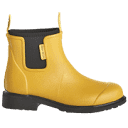
Merry People
Merry People sells neoprene-lined rubber boots for women, men and kids, plus waterproof leather Chelsea boots and outdoor accessories such as socks and boot bags. Prices sit in the mid-range: adult wellies £95-£115, children’s £55-£65, leather boots £150. The brand trades only through its own UK website, pop-up events and a network of independent garden-centre and lifestyle stores; it does not operate its own permanent bricks-and-mortar shops.
The boots are built on a natural-rubber upper with 4 mm insulating neoprene lining, seam-sealed construction and a traction outsole, marketed as all-season footwear rather than pure rain gear. Signature colours—ochre, olive, berry and black—are carried year-round, while limited seasonal drops sell out quickly. Merry People emphasises vegan materials, 100 % recyclable packaging and a one-year warranty, positioning itself as a responsible outdoor brand.
Core buyers are 25-45-year-old urban commuters, weekend dog-walkers and festival-goers who want waterproof footwear that looks like a fashion Chelsea boot. The brand appeals to value-driven consumers seeking cruelty-free, plastic-free packaging and small-batch production; Instagram content features real customers gardening, hiking and doing school runs.
Merry People competes against heritage British wellington labels and fast-fashion rain boots by offering a slimmer silhouette, year-round wearability and transparent ethical sourcing. Where competitors focus on farming or festival extremes, Merry People targets daily city-to-country crossover use, backed by responsive customer service and a 30-day free-return policy.
Stylish boots that go from city streets to muddy gardens without apology
- Recycled
- Independent
- Ethical
- Vegan
- Cruelty-free
Visit site
Shapenbarefoot
Shapenbarefoot sells minimalist, anatomically shaped barefoot shoes for adults and children. Core lines include casual sneakers, leather boots, winter-lined styles, and performance trail runners priced in the mid-range bracket—most adult pairs fall between USD 120–180. Distribution is direct-to-consumer through the brand’s own Shopify site with global shipping; no third-party retailers or marketplaces are used.
The shoes are built on ultra-wide, foot-shaped lasts with 0-drop flexible soles (5–9 mm stack) that are hand-cut for high road-feel. Notable collections are the Pinnacle leather series (unisex city boot) and the Summit winter barefoot boot lined with 200 g recycled wool—both frequently cited in barefoot-community forums for cold-weather ground feel. Every model is released in European half-sizes and multiple width fittings, a rarity among mass-market minimalist labels.
Customers are health-conscious adults aged 25-45 who follow barefoot-running or natural-movement training, plus parents seeking toe-space for growing feet. Buyers value splay-room, ground feedback, and ethical small-batch production over fashion logos; many report transitioning from conventional footwear to resolve bunions or plantar-fascia pain.
Shapenbarefoot competes with other niche minimalist footwear makers that emphasize wide toe-boxes and thin soles. It differentiates by offering half-sizes, winter-specific insulated barefoot boots, and small-batch production runs that allow rapid design tweaks based on user feedback, avoiding the scale-driven uniformity of larger “barefoot” lines owned by mainstream athletic brands.
Your feet finally get the space and feedback they've been missing
Visit site
stov.shoes
Paragraph 1
Stov.shoes sells minimalist leather sneakers, loafers and ankle boots for men and women, all cut from single-piece Italian veg-tanned hides. Prices sit in the mid-range bracket: USD 189–269 for sneakers, USD 229–299 for boots, with occasional limited editions at USD 329. The brand is direct-to-consumer through its own site and a single Berlin showroom; no wholesale or marketplace listings.
Paragraph 2
Every style is built on a zero-waste pattern that eliminates lining and reduces seam count to three or fewer, cutting material use by roughly 22 %. The outsole is a recycled-cork / natural-rubber compound that can be re-ground and re-cast, a feature highlighted in the 2022 “Re:Stov” take-back program. Their best-known line is the “Mono” sneaker, sold in 12 dye-lot colors that age without synthetic coating.
Paragraph 3
Buyers are 25-40-year-old design professionals who want a low-impact wardrobe without visible eco-logos. They value traceability—each pair ships with a tannery batch number and GPS-mapped farm coordinates—and prefer quiet aesthetics over branded flash. The brand’s Instagram community (#showyourstov) centers on patina timelines rather than outfit grids.
Paragraph 4
Stov competes with other online-born, sustainability-leaning footwear labels that use premium materials and simplified silhouettes. It differentiates through pattern efficiency that actually lowers CO₂ per pair (verified 5.8 kg vs. industry 14 kg), a repair-for-life fee schedule capped at €49, and a color-drop model that releases new vegetable-dye lots every eight weeks instead of seasonal collections.
Shoes that age like leather should, without the waste
Visit site
Misinimoc
Misinimoc.com is an online-only store that focuses on minimalist footwear and pared-down lifestyle accessories. The core line is unisex barefoot-style sneakers, loafers and sandals priced USD 90-140, situating the brand in the accessible-to-mid segment. Complementary categories include thin merino socks, cork insoles and compact cotton-canvas carry goods, all sold exclusively through its Shopify-powered site with free global shipping thresholds.
The label’s hook is “maximum feel, minimum shoe”: every model uses wide toe-box lasts, zero-drop rubber soles under 6 mm and vegan or recycled uppers. Best-sellers are the MOC-01 slip-on and the 360-Flex runner, both under 250 g per shoe and shipped in a fold-flat recycled-cardboard box that doubles as a storage tray. Misinimoc offsets production emissions via a verified reforestation partner and publishes material sourcing audits on each product page.
Customers are 25-40-year-old urban professionals who commute on foot or bike, practice yoga or functional fitness, and value decluttered wardrobes. They buy because the shoes satisfy workplace dress codes while preserving barefoot biomechanics and because the neutral color palette (black, sand, sage, stone) supports a capsule-wardrobe ethos.
Misinimoc competes with heritage barefoot labels and sustainable sneaker start-ups; it differentiates by keeping prices below the premium tier, offering half-sizes, and limiting SKUs to perennial restocks rather than seasonal drops. The direct-to-consumer model keeps margins lean, funding material upgrades and carbon offsets without retail mark-ups.
Feel the ground, dress for the office, own nothing extra
Visit site
Divinch
Divinch sells small-lot California wines bottled in 6.3-oz single-serve glass “mini bottles.” The range spans everyday reds and whites at ~$4 per mini (≈$16 per 750 ml equivalent) up to $12 limited-production vineyard designates (≈$48 equivalent), placing the line between mid-range and premium. All inventory moves through the Los Angeles–based e-commerce site; cases ship to 42 states and on-demand local courier covers greater L.A. within two hours.
The brand’s twist is controlled, by-the-glass freshness without cork waste or oxidation; each mini is nitrogen-dosed at bottling and 100% recyclable. Divinch collaborates with boutique Central Coast and Sierra Foothill producers, releasing rotating micro-cuvées that are unavailable in standard 750 ml format. Press has spotlighted their Grenache-based “Sunday” rosé minis and the single-vineyard Chenin Blanc pack that sold out 1,200 cases in 36 hours.
Core buyers are 25-40-year-old urban professionals who live in apartments, count calories, and want restaurant-quality wine without opening a full bottle. The format supports solo weeknight drinking, BYO outdoor events, and tasting flights for hosts who value convenience, sustainability, and discovery over brand loyalty to legacy labels.
Divinch competes with canned wine startups, premium tetra-pak lines, and coravin-style preservation gadgets. It differentiates by using real glass for flavor neutrality, offering vineyard-specific storytelling on every screw-cap mini, and bundling mixed packs that let customers sample four estate wines for the price of one restaurant bottle.
Visit site
Stepprs
Stepprs is a direct-to-consumer footwear label that sells lightweight, machine-washable slip-on shoes built from recycled knit uppers and sugar-cane EVA soles. The current line spans everyday sneakers, water-friendly clogs, and limited-edition color drops, all priced between $68 and $98—solidly mid-range. Orders are placed only through stepprs.com; no wholesale or marketplace listings are used.
The brand’s core pitch is “shoes you can hose off”: every pair weighs under 8 oz, is 100% vegan, and ships in a molded pulp clamshell that doubles as a wash-and-dry cradle. A removable cork insole infused with charcoal is marketed as odor-controlling, and the knit upper is spun from eight recycled plastic bottles. Their best-known SKU is the “Pace” clog, which sold out its first 5,000-unit run in 48 hours after a TikTok demo.
Stepprs targets eco-minded millennials and Gen-Z consumers who commute by bike or public transit and want a single pair of shoes that moves from office to gym to weekend camping. Buyers value sustainability credentials, minimalist aesthetics, and low-maintenance care; the brand’s Instagram feed features user videos hosing mud off shoes at music festivals.
They compete in the washable, plant-based sneaker niche against labels that emphasize either sustainability or convenience, rarely both. Stepprs differentiates by combining recycled yarn, carbon-negative soles, and sub-$100 pricing while keeping the entire supply chain within a 300-mile radius of Porto, Portugal, allowing carbon-neutral shipping to the U.S. and EU within five days.
Shoes that clean themselves, so you don't have to think twice
Visit site
Rollie Nation
Rollie Nation sells lightweight men’s and women’s sneakers, desert boots, and sandals priced AUD $140-$220 (mid-range). Core lines include the Derby, Nation, and Breeze collections, all built on ultra-light EVA/rubber outsoles. The brand is DTC-first through rollienation.com, ships worldwide from Melbourne, and supplements e-commerce with 200+ independent footwear boutiques across Australia, New Zealand, the UK, and the US.
The shoes average 200 g per pair—about half a traditional leather sneaker—achieved by omitting heavy heel counters and using unlined nubuck or knit uppers. Every style is airport-friendly (steel-free) and comes with a spare pair of cotton laces rolled inside the box, reinforcing the travel-centric ethos. Seasonal drops feature limited colorways and artist-print insoles that reference Melbourne street art.
Customers are 25-45, urban, gender-neutral, and travel frequently for work or leisure; they value comfort without sacrificing style and want shoes that pack flat and survive all-day walking. Sustainability matters: the brand uses LWG-certified leathers, recycled knit yarns, and carbon-neutral domestic shipping, aligning with buyers who offset flights and carry keep-cups.
Rollie Nation competes in the fashion-sneaker space against brands that merge athleisure with minimalist design. It differentiates through feather-weight construction, airport-specific features, and Australian design cues rather than Scandinavian or American heritage, allowing it to command niche loyalty among frequent flyers and creative professionals.
Shoes so light, you'll forget you're wearing them across the world
- Sustainable
- Recycled
- Independent
Visit site
Forsake
Forsake sells hiking boots, trail sneakers, insulated winter footwear, and waterproof sneakers for men and women. Most styles are priced $140-$200, placing the line in the mid-range tier between discount hikers and premium alpine brands. Products are sold direct-to-consumer through forsake.com and at roughly 150 outdoor-oriented retailers across the United States.
The company positions its footwear as “all-weather sneakers,” merging sneaker aesthetics with membrane-level weatherproofing; every model uses taped seams and Peak-to-Pavement® outsoles. Signature pieces include the Patch waterproof hiking boot and the Philby high-top sneaker-boot, both built on the same Boa or traditional lace chassis and backed by a 1-year waterproof guarantee.
Core buyers are 25-40-year-old urban commuters, weekend hikers, and bike-to-bar patrons who want one pair of shoes that can handle subway grime, dog walks, and day hikes without looking technical. The brand leans into minimalist colorways, recycled upper materials, and pack-friendly weight to serve consumers valuing versatility, low closet count, and discreet outdoor capability.
Forsake competes in the “outdoor casual” gap occupied by heritage hiking names pushing retro silhouettes and by sneaker brands adding rugged overlays. It differentiates by starting from trail-specific lasts and waterproof membranes first, then streamlining the upper to read as a sneaker, giving equal priority to puddle-proof function and city styling rather than retrofitting an existing casual shoe with outdoor features.
One shoe handles your commute, your hike, your whole life
Visit site
Komodo
Komodo is a UK-based sustainable-fashion label selling women’s and men’s apparel, accessories and small lifestyle goods. Core categories are organic-cotton tees & sweats, hemp denim, recycled-poly outerwear and hand-knit jumpers priced £45-£250, situating the brand in the mid-range bracket. Distribution is DTC through komodo.online plus about 250 independent boutiques and eco-minded department stores across Europe, North America and Japan.
Founded in 1988, Komodo was one of the first European brands to convert entire ranges to GOTS-certified organic cotton, hemp and Tencel, and has been vegan-approved by PETA since 2019. Signature pieces include the “Hemp Denim 5-Pocket Jean,” the recycled-fiber “K-Jacket” and brightly patterned fair-isle knits produced in small Nepalese cooperatives; every garment ships in compostable bags with a lifetime-repair voucher.
Customers are 25-45-year-old design-conscious urbanites who prioritize environmental impact, animal welfare and transparency over fast-fashion trends. They value wardrobe staples that combine minimalist aesthetics with ethical provenance, and are willing to pay 15-25 % more for verified sustainable materials and long product lifespans.
Komodo competes in the crowded “contemporary sustainable” segment against labels offering organic basics or recycled outerwear; it differentiates by integrating long-standing artisan partnerships, small-batch production runs and a single-digit carbon footprint verified annually by Climate Neutral, while keeping prices below premium designer tiers.
Timeless pieces that prove sustainability and style needn't compromise
- Sustainable
- Recycled
- Handmade
- Independent
- Organic
- Ethical
- Vegan
Visit site
Walk London
Walk London sells men’s and women’s footwear—brogues, loafers, Chelsea boots, sneakers and sandals—priced £70-£160, sitting in the mid-range bracket between fast-fashion and premium British makers. Shoes are designed in-house at their London studio and sold exclusively through the brand’s own e-commerce site, with free UK delivery and worldwide shipping; there is no wholesale or brick-and-mortar network.
The label’s USP is “London-designed, European-crafted”: classic British silhouettes updated with subtle trend details and made in small Portuguese factories that also supply luxury houses. Seasonal drops are limited, restocks are rare, and best-sellers like the tan ‘Battersea’ Chelsea or white ‘Mayfair’ sneaker routinely sell out within days, creating a cult following on Instagram and TikTok.
Core buyers are 20-35-year-old urban professionals who want refined, work-to-weekend shoes without logo overload or triple-digit designer pricing. They value looking put-together on foot or bike commutes, favour capsule wardrobes over fast fashion, and tag #WalkLondon to show how the same pair shifts from office to pub.
Competitors are other direct-to-consumer footwear brands that bridge high-street and entry-level designer, plus heritage British names that charge 2-3× more. Walk London differentiates through tighter collections, faster design turnover, aggressive social-media engagement and price points that undercut traditional premium labels while still offering full-grain leathers, Blake-stitched soles and recyclable packaging.
London-designed shoes that work as hard as you do, without the price tag
Visit site
Cloud Slides
Cloud Slides sells one hero product—ultra-cushioned, open-toe EVA slide sandals—marketed in men’s, women’s and kids’ sizing. The range spans budget (single pairs $24.99), mid-range (bundles $39–$59) and limited-edition color drops priced at a small premium. Distribution is direct-to-consumer through thecloudslides.com and a TikTok Shop storefront; no wholesale or brick-and-mortar stockists are listed.
The brand’s pitch is “walking on clouds”: 4.5 cm of high-density foam, 15° ergonomic toe spring, waterproof one-piece shell and machine-washable construction. Viral TikTok clips showing eggs cracked under the sole without breaking have driven 30 k+ user-generated reviews and repeat color drops that sell out in hours. Packaging is minimalist, recyclable and includes a free pair of cloud socks to reinforce the indoor-outdoor positioning.
Core buyers are 18-34-year-old women who want spa-level comfort for dorm rooms, home offices and airport transits without sacrificing aesthetic coordination with athleisure sets. The value set is convenience, self-care and social-media-friendly color matching; customers post “cloud collections” that match slides to manicures or phone cases.
Cloud Slides competes in the $20–$60 athleisure slide segment against mass footwear labels and niche comfort brands. It differentiates through single-product focus, viral social proof, rapid color turnover and free two-day U.S. shipping, avoiding retail mark-ups while positioning the shoe as both a functional recovery slipper and a style accessory.
Comfort so viral, your feed will match your feet
Visit site
P448
P448 is an Italian footwear label focused on fashion sneakers for men, women and kids. Core collections run €200-€320 per pair—premium pricing relative to mass-market kicks—augmented by small accessories such as socks and care kits. The brand operates a direct-to-consumer e-commerce site plus a growing network of company-owned stores in fashion capitals and select wholesale doors worldwide.
The shoes are designed in Milan and hand-assembled in the Marche region using Italian leathers, suedes and recycled fabrics; many styles feature the unmistakable “P” side perforation and interchangeable memory-foam insoles. Limited-drop colorways and collaborations with artists drop every few weeks, keeping SKUs fresh and fueling resale interest. Their “The Wave” sole and glitter or shearling uppers have become Instagram signatures.
Customers are 18-40, style-driven and willing to pay for European craftsmanship without overt logos. They value individuality, sustainability (P448 uses recycled PET knits and carbon-neutral shipping) and comfort that transitions from airport to nightclub. The brand speaks to urban creatives who treat sneakers as a style anchor rather than gym gear.
P448 competes in the crowded designer-sneaker space dominated by heritage luxury houses and skate-turned-street labels. It differentiates through Italian artisan production, small-batch scarcity and a contemporary aesthetic that sits between minimal and maximal, offering bold textures without the heavy branding typical of sportswear giants.
Italian craftsmanship meets understated cool, one perfect sneaker at a time
- Sustainable
- Recycled
- Handmade
Visit site
Softysock
Softysock sells ultra-plush crew, ankle and knee-high socks made from combed-cotton, bamboo and recycled-poly blends; the line also includes grip socks, compression lite styles and limited-edition printed packs. Prices sit in the mid-range tier, with singles at $9–$12 and 3-pair bundles around $24–$28. The brand is digital-native, shipping worldwide from its U.S. fulfillment center and offering free U.S. shipping on orders over $35.
The company promotes a 600-needle count knit that produces a denser, cushion-loop interior without added bulk, and every pair is silicone-washed for a “cashmere-hand” finish. Their trademarked Stay-Soft treatment is advertised to retain loft after 50+ washes, and each release is produced in small dye lots to keep colors consistent. The “Cloud-Knit” collection, introduced in 2022, accounts for 60 % of repeat purchases.
Core buyers are 18-34-year-old women who want lounge accessories that read as thoughtful, giftable and Instagram-ready; packaging is 100 % recycled and doubles as a reusable pouch, aligning with low-waste values. Men’s SKUs, launched in 2023, target the same comfort-seeking, work-from-home demographic looking to upgrade basics without visible logos.
Softysock competes in the direct-to-consumer comfort-sock space populated by specialty cotton labels and subscription-box basics. It differentiates through tactile softness messaging, pastel-heavy color drops every six weeks, and a loyalty program that rewards recycling worn pairs for 15 % off future orders.
Socks so soft they feel like a hug you can wear
Visit site
beek
Beek sells women’s leather sandals, clogs, and mules priced $180-$260—positioned in the premium-accessory segment. All styles are handmade in Mexico from soft, vegetable-tanned leathers; the line is sold only through the brand’s own e-commerce site and a network of 250+ independent boutiques across the U.S. No mass retail or department-store distribution is used.
The brand’s signature is a contoured, anatomical footbed wrapped completely in leather, giving the comfort of a molded clog with a refined sandal upper. Every pair is constructed with Blake-stitched soles that can be resoled, extending product life beyond typical seasonal footwear. Their best-known “Pippin” slide and “Wren” clog are stocked year-round in core neutrals plus limited-run seasonal colors.
Customers are 25-45-year-old professional women who want arch-supportive shoes that still read polished for city wear, farmers’ markets, or travel. They value small-batch production, natural materials, and female-founded labels; sustainability is pursued through repairability rather than recycled synthetics.
Beek competes in the niche between fashion-driven leather sandals and orthopedic comfort brands, differentiating with fashion silhouettes that still deliver podiatrist-grade support. By keeping production in a family-owned Guanajuato workshop and releasing small, color-driven drops rather than seasonal collections, the brand maintains scarcity and justifies premium pricing without the marketing overhead of larger footwear houses.
Handmade leather that molds to your foot and your life
- Sustainable
- Recycled
- Handmade
- Independent
Visit site
Mou Online
Mou-online.com is the e-commerce arm of Mou, a London-based footwear label founded in 2002. The site sells shearling-lined boots, rugged sneakers, hiker sandals, après-ski slippers and limited-edition leather bags, priced £150-£450 (mid-range to entry-premium). Sales are direct-to-consumer online plus a small network of global department-store corners; the brand does not operate its own brick-and-mortar stores.
Signature construction pairs hand-finished cow, goat or yak hides with natural shearling, crepe or recycled-rubber soles, all stitched rather than glued for repairability. Iconic lines—the Eskimo, Calf-high and Super-Grip platforms—are instantly recognised by their fluffy wool cuffs, contrast whip-stitch and chunky trek soles, positioning Mou as “eco-luxe adventure” footwear.
Core buyers are 25-45-year-old women who split time between city commutes and weekend escapes, want winter warmth without sacrificing style, and will pay for ethically sourced shearling and small-batch production. The brand speaks to values of slow fashion, outdoor spontaneity and understated British individuality.
Mou competes in the crowded premium shearling-boot space dominated by heritage and fashion labels; it differentiates through lighter, sportier silhouettes, vegetable-tanned leathers, traceable wool and a colour palette updated every season. By keeping volumes low and storytelling artisanal, it avoids mass-trend saturation and maintains higher full-price sell-through than volume-driven rivals.
Shearling-lined boots built for city weekdays and mountain weekends alike
Visit site
Sudu
Sudu is a UK-based online-only retailer that sells contemporary, design-led furniture and home accessories. The catalogue spans sofas, armchairs, coffee tables, storage, lighting and décor, with most pieces priced in the mid-range bracket (£400-£1,200 for seating, £150-£600 for tables). Everything is sold exclusively through sudu.co.uk and shipped flat-packed nationwide.
The brand positions itself around “affordable designer style,” releasing small, seasonal collections that echo high-end trends but use engineered hardwood, powder-coated steel and performance upholstery to hit lower price points. Best-known products include the modular “Sudu Block” sofa and the space-saving “Edge” extending dining table, both of which are restocked in limited colour runs that sell out quickly.
Core customers are 25-40 year old urban renters and first-time homeowners who want Instagram-ready interiors without showroom mark-ups. They value clean minimalism, neutral palettes and furniture that can be assembled or re-configured when moving flats; sustainability is secondary but appreciated, so Sudu highlights FSC-certified timber and recyclable packaging.
Sudu competes in the crowded “flat-pack design” segment against Scandinavian giants and venture-backed D2C start-ups. It differentiates by offering tighter, fashion-driven drops, faster eight-day delivery slots, and sofa modules that clip together without tools—features that appeal to style-hungry, time-poor London and Manchester audiences.
Designer style that moves with you, delivered in eight days
Visit site
The Shoe Genie
The Shoe Genie is a mid-range, online-only retailer that stocks women’s, men’s and kids’ fashion footwear plus a small line of bags and shoe-care accessories. Typical price points sit between $60 and $160, with most leather boots, sneakers and heels clustering around $99. Orders ship from a U.S. warehouse to North America and select EU markets; there is no brick-and-mortar network.
The site positions itself as a “trend translator,” releasing new styles weekly that mirror runway looks at roughly one-third the designer price. Its private-label “Genie Alchemy” collection uses vegan leather and recycled knit uppers, giving the brand a recognizable eco-conscious sub-line. Free 24-hour color-swap and wide-width customization on core SKUs is promoted as a signature perk.
Core shoppers are 18-35-year-old fashion followers who want current silhouettes without premium-brand mark-ups and who value quick trend turnover over heritage prestige. Instagram-led discovery is high: customers tag #ShoeGenieFind to show how they style a single pair across work, weekend and nightlife, aligning with a “cost-per-wear” mindset and sustainability curiosity.
Competitors include fast-fashion footwear chains, value-priced designer-offshoot labels and mid-tier e-commerce marketplaces. The Shoe Genie differentiates through rapid micro-drop cadence, inclusive sizing options, carbon-neutral shipping as standard and a 90-day no-fee return window—policies that outpace most comparably priced rivals.
Runway trends, your budget, shipped tomorrow
Visit site
8000kicks
8000kicks sells hemp-based footwear and accessories, anchored by waterproof sneakers and boots for men and women. Prices sit in the mid-range bracket: most styles USD 129–159, with limited editions around USD 199. Distribution is direct-to-consumer through 8000kicks.com and select European marketplaces; no owned retail stores.
The brand’s core claim is “the world’s first waterproof hemp shoe,” achieved by weaving hemp fibers with a bio-based waterproof membrane and sealing seams with recycled polyester. Hemp delivers natural antimicrobial odor control, 3× the tensile strength of cotton, and a carbon-negative cultivation footprint. Their Explorer V2 sneaker and Freak boots are the flagship SKUs, each pair weighing under 10 oz and backed by a 1-year waterproof guarantee.
Customers are 20-40-year-old urban professionals, travelers, and vegans who want performance gear without petrochemical plastics or animal products. They value sustainability metrics posted on every product page—1.2 kg CO₂ offset, 72% fewer chemicals versus leather sneakers—and favor minimalist styling that transitions from city commute to weekend hikes.
8000kicks competes in the eco-sneaker space against brands using recycled ocean plastic, algae foam, or leather substitutes. Differentiation comes from industrial-grade hemp uppers that are both naturally strong and compostable at end-of-life, plus a lifetime re-sole program that keeps pairs out of landfill and lowers total cost of ownership.
Hemp shoes that walk from city streets to mountain trails without compromise
Visit site
blueviewfootwear
Blueviewfootwear sells casual sneakers and slip-ons built around a plant-based, plastic-free knit upper; every style is machine-washable and priced at a mid-range $98-$128. The collection is small—four unisex silhouettes in core colors—sold only through the brand’s own e-commerce site with free U.S. shipping and 30-day returns.
The shoes are marketed as the first to be certified biodegradable by ASTM D5511 and ASTM D6691, breaking down in aerobic landfill conditions within six months; the knit is spun from hemp and Tencel yarns bonded with a algae-based EVA midsole. This compostable construction, paired with a zero-waste 3-D knitting process that eliminates cutting waste, is the company’s primary technical claim and the focus of its patent portfolio.
Customers are 25-40-year-old eco-conscious urbanites who want everyday sneakers that align with a low-waste lifestyle; marketing imagery features bike commuters, farmers-market shoppers, and remote workers. Buyers cite the plastic-free promise and end-of-life take-back program as key motivators, valuing transparency over fashion cycles.
Blueviewfootwear competes in the sustainable sneaker niche against labels that use recycled ocean plastic or leather alternatives; it differentiates by eliminating synthetics entirely and offering verified biodegradability rather than recycling credits. The narrow SKU count and direct-to-consumer model keep margins intact while reinforcing a “buy less, buy better” positioning.
Sneakers that decompose faster than your guilt about plastic waste
Visit site
Roxyaustralia Com
Roxyaustralia.com.au is an online-only women’s surf, snow and lifestyle retailer stocking Quiksilver-owned ROXY apparel, wetsuits, accessories, footwear and youth snow outerwear. Price points sit in the mid-range bracket: swimwear AUD $70-120, 4/3 mm wetsuits AUD $350-450, snow jackets AUD $350-550. The site is the brand’s official Australian e-commerce door and also fulfils orders for New Zealand.
ROXY pioneered women’s boardshorts in 1990 and remains the only major surf label whose entire range is designed exclusively for women and girls. Signature lines include the “Fitness & Surf” capsule of recycled-poly swim and the “Prologue” wetsuit series, both promoted with Australian team riders such as Steph Gilmore. Every collection is tested by the ROXY pro surf squad before release, reinforcing technical credibility.
Core shoppers are 15-30-year-old coastal females who surf, skate or snowboard and want performance gear that still reads feminine. The brand speaks to inclusive adventure culture—campaigns feature diverse body types and highlight sustainability via ROXY’s pledge to use 100 % recycled nylon in swim by 2025.
Competition comes from global action-sports labels that sell unisex or men-first product and from fast-fashion swim players lacking technical credentials. ROXY differentiates through female-only design, athlete-led R&D and a single-brand e-commerce experience that bundles board-riding authenticity with lifestyle versatility.
Designed entirely for women who ride waves, mountains and concrete
Visit site
unifootwear
Unifootwear is a direct-to-consumer label that focuses on minimalist, unisex sneakers and slides priced between $90 and $160—squarely in the mid-range bracket. The entire catalog is sold exclusively through its own site, uinfootwear.com, with limited-run drops restocked every 4–6 weeks; no wholesale or third-party marketplaces are used.
The brand’s calling card is a one-piece molded EVA upper/sole construction that eliminates stitching and glue, cutting pair weight to 6–8 oz while making the shoe fully recyclable through Unifootwear’s prepaid return program. Signature releases such as the “Uni-R” runner and “Uni-Slide” sandal are issued in small color blocks—usually 500–800 pairs—that sell out within hours and are never reproduced, creating a sneaker-drop model without secondary-market premiums.
Customers are 18-34, urban, and skew 60 % female; they value gender-neutral design, low-impact materials, and the efficiency of owning one pair that works for gym, commute, and travel. Instagram and TikTok posts tagged #carryless showcase one-bag travelers and bike messengers who cite the 30-day wear trial and free recycling as reasons to stay loyal.
Unifootwear competes against other online-only, sustainability-framed footwear startups that also use bio-based foams and closed-loop promises; it differentiates by combining true mono-material construction with micro-drop scarcity, whereas rivals rely on blended soles or permanent inventory.
One shoe, zero waste, drops that actually mean something
Visit site
barefootpals.shoes
Barefootpals.shoes sells minimalist, zero-drop footwear for adults and kids: everyday sneakers, trail runners, leather loafers, and water-ready sandals, all built on ultra-thin, flexible soles. Prices sit in the mid-range bracket—most styles USD 89–139—available only through the brand’s own Shopify site with global shipping and a 30-day trial period.
The label’s USP is its “barefoot-for-all” sizing system that offers four width fittings per EU size and a removable 3 mm insole that lets buyers fine-tune ground feel. Every shoe uses vegan or LWG-certified leather uppers, recycled polyester knit, and a 5 000-mile outsole warranty—claims backed by published lifecycle data on each product page.
Customers are health-conscious parents, CrossFit converts, and office workers rehabbing foot pain who want biomechanically friendly shoes without the “techie” look. The brand’s Instagram community of 120 k followers shares foot-strength challenges, reinforcing values of natural movement, transparency, and inclusive sizing rather than performance elitism.
Barefootpals competes in the widening minimalist niche against heritage outdoor marques and niche biomechanics startups; it differentiates by combining everyday styling with pediatric and extra-wide options, a lower entry price, and carbon-labeled supply-chain reporting—tactics that court mainstream shoppers curious about barefoot benefits but unwilling to sacrifice aesthetics or ethics.
Feel the ground, look like yourself, fix your feet
Visit site
Sans Matin
Sans Matin is a British footwear label that sells men’s and women’s sneakers, loafers and boots priced £150-£250, sitting in the premium-accessory segment. All collections are designed in London and handmade in small Portuguese ateliers; the brand trades only through its own website and a single Marylebone pop-up, keeping distribution deliberately narrow.
The company builds every pair on a custom, ergonomic last and uses certified Italian leather, recycled ocean-plastic linings and natural-latex soles—materials rarely combined at this price. Its “24/7” sneaker, sold in limited colour drops that sell out within days, has become a quiet cult item among design professionals for its matte, logo-free silhouette.
Customers are 25-45-year-old urban creatives, consultants and tech workers who want luxury comfort without visible branding; they value sustainability audits, repair vouchers and carbon-neutral shipping included in the purchase. The brand speaks to a “quiet luxury” lifestyle—wardrobes built on neutral tones, multi-modal commuting and weekend European rail travel.
Sans Matin competes directly with other direct-to-consumer, European-crafted sneaker labels that pitch clean design against heritage sportswear giants. It differentiates by offering true hand-built construction, repair-for-life aftercare and drop-based scarcity, positioning itself as an insider alternative to both mass premium and hype-driven streetwear brands.
Handmade sneakers that whisper instead of shout
- Sustainable
- Recycled
- Handmade
Visit site
Vagabond
Vagabond sells men’s and women’s leather footwear—boots, sneakers, loafers, lace-ups—plus small leather goods and seasonal accessories. Prices sit in the mid-range: €150-€250 for most shoes, with some boots reaching €300. The brand operates its own e-commerce site, ships worldwide, and wholesales to 1,500+ independent retailers and department stores across Europe, North America, and Asia.
Design is Scandinavian minimalism with subtle twists—chunky yet lightweight soles, asymmetric stitching, muted color palettes. The house lasts are narrow and elongated, giving shoes a recognizable silhouette. The “Cosmo” Chelsea and “Marja” zip boot are perennial bestsellers that anchor each collection.
Core buyers are 20-40 year-old urban creatives who want refined design without luxury mark-ups; they value sustainability (Vagabond uses LWG-certified leather, recycled outsoles, and offers in-store repair) and gender-neutral styling. Marketing leans on street-cast models, Copenhagen Fashion Week collaborations, and Instagram lookbooks shot in raw cityscapes.
Vagabond competes in the accessible designer shoe space against other Northern-European minimalist labels and premium high-street footwear chains. It differentiates through full in-house design and product development at its Sweden HQ, faster 8-week production cycles, and a repair-and-reuse program that extends product life while reinforcing its eco-modern positioning.
Scandinavian minimalism that actually lasts, worn and loved
- Sustainable
- Recycled
- Independent
Visit site
Side Kicks
Side Kicks is a UK-based footwear retailer specialising in casual, skate and street-inspired shoes for men, women and children. The range spans canvas sneakers, vulcanised skate shoes, high-tops and slip-ons priced £30-£90, sitting in the mid-market bracket. Sales are online-only through sidekicks.co.uk, with next-day UK delivery and free returns.
The site curates 30+ skate and lifestyle brands under one roof, but its own-label “Side Kicks” line offers minimalist canvas and suede styles in extended size runs (infant to adult 13). Weekly limited-edition colour drops and small-batch restocks keep product fresh without traditional seasonal collections. All packaging is plastic-free and 100 % recyclable, a commitment promoted on every product page.
Core shoppers are 16-30 year-olds who want authentic skate aesthetics without premium price tags: students, creatives and young parents buying matching pairs. The brand speaks to value-driven consumers who prioritise ethical packaging, gender-neutral styling and TikTok-friendly colourways that photograph well.
Side Kicks competes with both high-street fashion chains and niche skate boutiques by combining the breadth of a multi-brand store with the price control of an in-house label. Its differentiation lies in rapid-drop cadence, inclusive sizing, eco packaging and a single, mobile-first site that ships faster than traditional brick-and-mortar skater shops.
Skate style that actually fits your budget and your values
Visit site
Footroen
Footroen sells lightweight, barefoot-style sneakers and slip-ons for men and women, priced USD 79–119, placing them in the mid-range segment. All models are vegan, machine-washable, and sold exclusively through footroen.com with free worldwide shipping; no third-party retailers or marketplaces are used.
The brand’s core promise is “zero-drop, zero-waste, zero hassle”: every shoe has a 4 mm ultra-flex sole, recycled knit upper, and ships in a single-piece recycled-paper mailer that doubles as the return package. Their best-known line is the “CloudWeave” collection, advertised as weighing 165 g per shoe and backed by a 30-day “feel-nothing-or-send-back” guarantee.
Customers are 25-40-year-old urban professionals who commute on foot or bike, practice yoga or CrossFit, and want a shoe that transitions from gym to office without looking technical. Sustainability and minimalist aesthetics outweigh logo prestige; buyers value carbon-neutral shipping and the ability to recycle worn pairs through Footroen’s prepaid send-back program.
Footroen competes in the barefoot-casual niche against brands that either charge premium prices for performance runners or offer budget knit sneakers with conventional cushioned soles. It differentiates by hitting the middle on price, keeping style minimal enough for workwear, and wrapping the entire lifecycle—production, packaging, and take-back—into one carbon-neutral loop.
Shoes that weigh nothing, cost everything that matters, feel like freedom
Visit site
Cloudcomfortslides
Cloudcomfortslides sells ergonomic indoor-outdoor slides in men’s, women’s and kids’ sizes, plus matching slide socks and waterproof care spray. Prices sit in the mid-range bracket: adult slides retail for $49–$69, kids for $39, accessories under $15. The brand is digital-native, shipping worldwide from U.S. and EU warehouses; no physical stores or third-party retailers carry the line.
The product is built around a triple-density EVA sole marketed as “cloud-cushion” with arch support, 15° upward toe spring and 4 cm heel drop. Every pair weighs 180–220 g, is machine-washable, and sold in 14 solid colorways released in seasonal drops. A recycled EVA version launched in 2023 claims 35 % post-industrial content and carbon-neutral shipping.
Core buyers are 18-34 year-old renters who work from home, value comfort over logos and treat slides as indoor shoes they can dash outside in. Marketing leans on TikTok clips of “all-day couch-to-curbside” wear, emphasizing affordability, gender-neutral palette and easy care rather than hype collaborations.
They compete in the mass-comfort slide segment dominated by memory-foam house brands and rubber fashion slides. Cloudcomfortslides differentiates through podiatrist-endorsed contour geometry, lighter weight, machine-wash durability and a direct-only model that keeps the price under $70 while offering free 30-day returns.
Comfort that moves from couch to street without changing shoes
Visit site
Freda Salvador
Freda Salvador sells women’s footwear—boots, loafers, mules, sneakers, sandals—plus small leather goods, all priced in the premium bracket ($350–$850 for shoes). Distribution is DTC through fredasalvador.com, two company-owned California stores (San Francisco and Mill Valley), and a selective wholesale network that includes high-end boutiques and Nordstrom.
The brand is known for hand-finished Italian and Spanish construction paired with deliberately androgynous silhouettes: think lug-soled Chelsea boots and penny loafers on 30 mm utility soles. Signature lines “EQUAL” and “WALKER” use vegetable-tanned leathers, recycled rubber treads, and memory-foam insoles, merging rugged outsoles with refined uppers.
Core customers are design-conscious women aged 28-50 who work in creative industries and want shoes that transition from gallery opening to airport without sacrificing comfort or ethics. They value female-founded brands, low-production runs, and repairable footwear over trend cycles.
Freda Salvador competes in the elevated comfort-luxury niche against heritage European houses and niche American designers. It differentiates by offering architectural, gender-neutral shapes in small-batch, responsibly tanned leathers, backed by a lifetime recrafting service and inclusive sizing (US 5–12, many styles in two widths).
Handcrafted boots that last longer than trends ever will
Visit site
jwpei
JW PEI sells vegan leather handbags, wallets, cross-body bags, totes and small accessories priced USD 89-249—solidly mid-range. The Los Angeles-based label is direct-to-consumer only, fulfilling through jwpei.com with free U.S. shipping and limited global drops.
The brand’s calling card is sculpted, minimalist shapes—half-moon, geometric flap and “Egg” bags—made from recycled, high-grade polyurethane and plant-based fibers, then finished with matte gold hardware. JW PEI gained traction on Instagram after Gigi Hadid and Megan Fox carried the Gabbi ruched hobo, a style that now sits permanently in the “Best-Sellers” section.
Core buyers are 18-35 fashion-savvy women who want runway silhouettes without animal products or four-figure price tags; sustainability, gender-neutral colorways and photogenic design are key purchase drivers. The label speaks to a cruelty-free, trend-driven lifestyle and markets heavily through TikTok micro-influencers and user-generated “unboxing” reels.
JW PEI competes in the accessible luxury vegan bag space, where most players either price under $60 or above $400; it differentiates by hitting the middle with designer-grade construction, limited-edition drops every 4-6 weeks, and rapid social-media turnaround that keeps inventory fresh without wholesale mark-ups.
Runway silhouettes that don't require a four-figure budget or animal sacrifice
- Sustainable
- Recycled
- Vegan
- Cruelty-free
Visit site
Deco Slides
Deco Slides sells 3-D-printed, customizable slide sandals priced $65-$120, landing in the mid-range footwear segment. The entire catalog—men’s, women’s and kids’ sizes plus limited artist drops—is sold only through decoslides.com; no wholesale or brick-and-mortar inventory is maintained.
Each pair is printed to order in Austin, Texas from recycled TPU, allowing customers to pick sole color, strap finish and debossed text or graphics within a 24-hour production window. The brand’s lattice-sole geometry, covered by a pending utility patent, cuts weight 30 % versus EVA equivalents while advertising a 3,000-hour durability guarantee.
Core buyers are 18-34-year-old creatives, gamers and sneaker enthusiasts who treat slides as customizable collectibles rather than poolside afterthoughts. They value small-batch production, eco-minded materials and the ability to match footwear to mood, avatar or e-sports jersey without premium-designer pricing.
Deco Slides competes in the crowded athleisure slide market dominated by large sportswear labels and fast-fashion copies; it differentiates through on-demand personalization, domestic 3-D-printed manufacturing and a sustainability story built on recycled, mono-material construction that is fully recyclable through the company’s take-back program.
Your slides, printed your way, shipped from Austin tomorrow
Visit site
Tilos
Tilos sells scuba, freedive and snorkel gear—wetsuits, masks, fins, boots, gloves, hoods, rashguards, bags and accessories—priced in the budget-to-mid range (most suits USD 120–250, masks USD 35–65). Distribution is two-track: the brand’s own e-commerce site plus 300+ U.S. dive shops and international distributors in Europe, Asia and the Middle East.
The line is known for ultra-stretch neoprene (4-way “X-Flex” and “ThermoFlex” limestone blends) and modular thickness systems that let divers zip 3 mm, 5 mm and 7 mm pieces together. Color-coded size charts, roll-up travel wetsuits and lifetime stitch warranty are standard, and the 5 mm “Tilos Venture” suit is a best-seller in warm-water dive resorts.
Core buyers are vacation divers, divemasters and instructors who need reliable kit that packs light and survives 200+ days on boats without boutique pricing. The brand appeals to practical, eco-aware users: limestone-based neoprene, solvent-free glues and recycled nylon liners are promoted on every hang-tag.
Tilos competes with value-oriented dive gear makers that sell through both shops and online; it differentiates by offering stretch and modular warmth normally found in premium suits at 30-40 % lower price, backed by a no-dealer-minimum policy that keeps local store shelves stocked.
Stretch farther, dive longer, pay less than the premium brands
Visit site
Made In Paradis
Made In Paradis sells unisex streetwear and graphic apparel—hoodies, sweatshirts, T-shirts, caps and accessories—priced £30-£120, sitting in the mid-range bracket. The label is digital-native: 100 % of sales happen through its own .co.uk webstore, with weekly drops released online and shipped worldwide from London.
The brand’s USP is limited-edition “paradise” iconography—sun-washed pastels, palm graphics and reworked retro logos—printed on 100 % organic cotton or recycled fleece in small runs that rarely restock. Its best-known pieces are the Paradise Hoodie and Island Dyed Tee, both of which sell out within hours and trade at 2-3× retail on resale apps.
Core buyers are 16-30-year-old UK and EU skaters, festival-goers and TikTok creators who value exclusivity, sustainability credentials and a holiday-state-of-mind aesthetic. They wear the brand to signal laid-back escapism and eco-consciousness without mainstream logos.
Made In Paradis competes in the crowded online streetwear space against drop-based labels that use similar hype cycles and eco fabrics. It differentiates through tighter quantities (sub-200 units per colourway), faster turnaround from design to drop (7-10 days), and a cohesive pastel-paradise visual language that is instantly recognisable in Instagram fit pics.
Exclusive drops, sun-washed aesthetics, and resale gold for the escape-minded
- Sustainable
- Recycled
- Organic
Visit site
KicKlo
KicKlo sells limited-edition, artist-designed sneakers and streetwear apparel priced in the mid-range bracket—sneakers $140-$220, hoodies $90-$130. All releases are sold exclusively through kicklo.com in weekly “drop” format; inventory sells out within minutes and is never restocked.
The brand’s USP is its rotating roster of underground illustrators, graffiti writers and digital artists who each hand-number every pair they create; KicKlo handles sustainable production in small Portuguese workshops using recycled knit uppers and plant-dyed leather. The “KicKlo Canvas” low-top and the glow-sole “Nightwire” are the two most viral SKUs, routinely resold at 2-3× retail on secondary apps.
Core buyers are 16-30-year-old hype-savvy creatives who value originality over logos, post fits on TikTok/IG, and prefer to support independent art rather than mass-logo brands. They see each drop as wearable art that signals both eco-ethics and insider cultural knowledge.
KicKlo competes in the crowded drop-culture sneaker space by limiting quantities to 300 pairs per style, publishing artist revenue splits (20 % of net), and using carbon-neutral shipping—moves that undercut larger drop players on transparency while staying sharper and faster than heritage sportswear labels.
Wear art that sells out before screenshots load
- Sustainable
- Recycled
- Independent
Visit site
Crosskix
Crosskix sells lightweight EVA-molded athletic shoes and water-ready footwear for men, women and kids, priced mid-range at $55-$90 per pair. The product line centers on two models—the original Crosskix and the newer Crosskix 2.0—sold direct-to-consumer through crosskix.com and Amazon, with no permanent brick-and-mortar presence.
The brand’s calling card is a drainage-hole design that functions equally as a running shoe and an amphibious water shoe, drying in under 30 minutes. All pairs are vegan, odor-resistant, and shipped in recyclable packaging, positioning Crosskix as a functional crossover between sneaker and sandal rather than a fashion clog.
Buyers are outdoor multitaskers—obstacle-course racers, paddle-boarders, travelers and parents—who want one shoe for gym, trail, beach and hose-off cleanup. The appeal is practical minimalism: pack lighter, rinse clean, replace less often.
Competitors include closed-cell foam clogs, lightweight trail runners and niche water shoes; Crosskix differentiates by marketing a single hybrid silhouette tuned for both mileage and submersion, backed by a 30-day “no-questions” wear test guarantee.
One shoe for every adventure, then rinse and go
Visit site
Foot Ramble
Foot Ramble sells lightweight hiking shoes, trail runners, merino trekking socks, and packable gaiters priced USD 90-160 for footwear and USD 12-28 for accessories—solidly mid-range. All inventory is sold direct-to-consumer through footramble.com; no wholesale or brick-and-mortar stockists.
The brand builds every shoe on a 4 mm-drop, wide-toe-box last and ships each pair with two lace kits so users can swap density for trail type. Its best-known line is the “Overland” series, a knit-upper shoe that uses a rock-shield plate made from 45 % recycled fishing net.
Core buyers are 25-45 yr-old day-hikers, digital nomads, and urban commuters who want one pair that transitions from subway to summit without looking technical. They value packability, sustainability data, and the 30-day “hike it, return it” guarantee.
Foot Ramble competes with heritage outdoor boot makers and fashion-leaning sneaker-boot hybrids by focusing on sub-10-oz weight, transparent recycled content, and a digital-only model that keeps prices below comparable Gore-Tex options.
One shoe that actually goes everywhere you do
Visit site
Gova Shoes
Gova Shoes sells sustainable footwear made from recycled ocean plastic and eco-friendly materials, offering stylish sneakers and casual shoes for environmentally conscious consumers. They are notable for combining bold, colorful designs with their commitment to ocean conservation, appealing to customers who want fashionable shoes without compromising on environmental responsibility.
Wear bold color while saving oceans, one step at a time
Visit site
Vivaia Collection
Vivaia Collection sells sustainable footwear, including sneakers, flats, loafers, and other casual shoes made from eco-friendly materials like recycled plastic bottles and plant-based alternatives. They are notable for combining environmental consciousness with stylish, affordable designs that appeal to eco-minded consumers who don't want to compromise on fashion or comfort.
Step into style without stepping on the planet
Visit site
VIVAIA Many GEOs
VIVAIA sells sustainable footwear and products made from plant-based materials, including shoes crafted from recycled ocean plastic and natural fibers. They're notable for combining eco-conscious design with fashionable styles, appealing to environmentally aware consumers who want to reduce their carbon footprint without compromising on quality or aesthetics.
Step into style without sacrificing the planet
Visit site
Allbirds
Allbirds sells sustainable footwear and casual clothing made from eco-friendly materials like merino wool, sugarcane-based foam, and recycled plastic. They're notable for prioritizing environmental sustainability and appeal to environmentally conscious consumers seeking comfortable, stylish alternatives to conventional shoe brands.
Comfort that doesn't cost the planet
Visit site
Native Shoes
Native Shoes sells lightweight, casual footwear including sneakers, sandals, and slip-ons made from sustainable materials like EVA foam and recycled plastics. They are notable for their eco-conscious approach to shoe manufacturing and appeal to environmentally-minded consumers seeking comfortable, colorful everyday shoes.
Comfy shoes that feel good and do good for the planet
Visit site
Evolve Clothing
Evolve Clothing sells sustainable and eco-friendly apparel including t-shirts, hoodies, and accessories made from organic and recycled materials. They are notable for their commitment to environmental responsibility and appeal to conscious consumers who prioritize sustainability without compromising on style or quality.
Wear your values without sacrificing style or quality
- Sustainable
- Recycled
- Organic
Visit site
Eknfootwear
Eknfootwear sells sustainable and eco-friendly footwear crafted from innovative materials like recycled plastics and plant-based alternatives. The brand is notable for appealing to environmentally conscious consumers who prioritize sustainability without compromising on contemporary design and comfort.
Visit site
Rothys
Rothy's sells sustainable footwear and accessories made from recycled plastic bottles and other eco-friendly materials. They are notable for combining stylish, contemporary design with environmental responsibility, appealing to consumers who prioritize sustainability without compromising on fashion.
Step into style that doesn't cost the planet
Visit site
Baabuk
Baabuk is a sustainable shoe brand specializing in eco-friendly footwear made from natural and recycled materials.
Step into shoes that love the planet as much as your feet
Visit site