69 brands to discover.

Au Essenther
Au Essenther sells a tightly curated line of Australian-made essential-oil-based body, home and wellness goods: roll-on remedies, diffuser blends, pillow mists, bath soaks and small-format soy candles. Price points sit in the mid-range bracket (AUD 18–45 per SKU), with occasional limited-run premium sets just above AUD 60. Distribution is online-only through the au.essenther.com storefront; domestic orders ship from Sydney within 1–3 days and the site lists flat-rate AUS-wide and NZ shipping.
The brand’s USP is single-origin, pesticide-free botanicals distilled within Australia and bottled in UV-blocking glass with batch numbers and GC-MS reports posted online for transparency. Every formula is certified vegan, cruelty-free and 100 % essential oil—no synthetic fragrance extenders. Their “Outback Tranquility” pillow mist and “Tasmanian Blue Gum” congestion roll-on are repeat sell-outs that frequently trend in Reddit insomnia and natural-remedy threads.
Core buyers are 25-45-year-old urban professionals, mostly women, who want clean-label self-care without New-Age pseudoscience; they value traceability, minimal packaging and evidence-based dilution ratios. The aesthetic—neutral earth tones, brushed-glass droppers and concise usage graphics—fits Scandinavian-inspired apartments and carry-on luggage alike, appealing to wellness-focused minimalists who shop Instagram discovery tags.
Essenther competes in the crowded natural aromatherapy space against both indie Etsy sellers and larger apothecary chains; it differentiates through verified Australian sourcing, lab-grade testing transparency and a SKU count under 30 that signals curation over clutter. By limiting promotions to small-batch restocks and bundling recyclable refill vials, the brand maintains margin while positioning itself as the data-driven, eco-centric alternative to imported, fragrance-heavy ranges.
Australian essential oils, lab-tested clarity, minimalist design that actually works
- Recycled
- Vegan
- Cruelty-free
Visit site
Olga Berg
Olga Berg sells evening and occasion handbags, clutches, headpieces and small leather goods priced AUD $79–$299, sitting in the accessible-to-mid range for formal accessories. The range is dominated by hard-shell acrylic clutches, crystal-embellished minaudieres, satin pouches and race-day fascinators. Products are sold through the brand’s own e-commerce site and roughly 350 domestic and international stockists including David Jones, The Iconic and independent bridal boutiques.
The label is best known for its “Bridal Edit” and spring-racing collections that translate runway embellishment trends into sub-$300 bags. Every piece is designed in the Melbourne studio to be event-ready, often including detachable chains, vegan leather linings and custom-moulded frames that photograph well under evening light. Limited-run colourways and fast 8-week design-to-delivery cycles keep the offer current without luxury-level lead times.
Core customers are 18-35-year-old women attending weddings, the races, school formals or black-tie work events who want a statement accessory without investing in luxury leather goods. They value Instagram-friendly aesthetics, ethical vegan materials and the ability to match a specific dress colourway quickly. The brand speaks to a “dress once, post twice” mindset: affordable enough for single-occasion use, well-designed enough to re-wnt.
Olga Berg competes in the gap between fast-fashion jewellery chains and European diffusion labels, differentiating through Australian race-culture credibility, bridal-specialist stockists and vegan product construction. Where mass retailers offer generic shapes and luxury houses push four-figure minaudieres, Olga Berg delivers trend-aligned, photogenic pieces with bridal-party bulk-order service and next-day domestic shipping.
Event-ready accessories that photograph beautifully and won't break the bank
Visit site
Italymorn
ITALYMORN is a direct-to-consumer online boutique that ships worldwide from its Rome logistics hub. The catalog focuses on small-leather-goods (cross-body bags, mini top-handles, wallets) and entry-level footwear (mules, loafers, ankle boots) for women, priced €89-€249—solidly mid-range for “Made in Italy” leather. Everything is sold only through italymorn.com; there is no wholesale or brick-and-mortar network.
The brand’s pitch is “Roman design studio, Tuscan tanneries”: styles are released in micro-drops of 4-6 pieces every two weeks, every item is cut, edge-painted and stitched in a family workshop outside Florence, and each product page lists the name of the artisan who built the piece. Signature SKUs include the reversible “Piazza” bag that flips from lizard-embossed to smooth nappa, and the sold-out-six-times “Trastevere” lug-sole loafer—both repeatedly featured in Vogue Italia’s online accessories edits.
Core buyers are 22-35-year-old urban professionals across Europe, North America and Korea who want Italian quality without heritage-house mark-ups and who track the drop calendar on Instagram. They value transparency (cost breakdowns are published), small-batch scarcity, and vegan-friendly packaging; most reviews cite “looking polished for work but not carrying the same bag as everyone else.”
ITALYMORN competes in the crowded “affordable luxury” leather-goods space populated by digital-native labels that photograph products against terracotta walls and promise Tuscan craftsmanship. It differentiates through true micro-production (units per style rarely exceed 300), two-week design-to-site speed, and price integrity—no discounts, no outlets, no third-party mark-ups—positioning itself as the fastest way to wear next-season Rome on your shoulder.
Roman craft, weekly drops, never the same bag twice
Visit site
Atypical Man
Atypical Man is a Canadian men’s grooming and skincare label that keeps its lineup tight: face washes, moisturizers, beard oils, shaving serums and fragrance mists, all formulated without parabens or synthetic dyes. Price points sit in the mid-range bracket—most 100 ml tubes or 30 ml oils retail between CAD 18 and 32—making the line accessible without entering discount territory. Sales are handled exclusively through the brand’s own e-commerce store, which ships nation-wide from Toronto and offers bundled “routine kits” at a small discount.
The company positions itself as “grooming for the rest of us,” pairing clean, vegan formulations with utilitarian, apothecary-style packaging that avoids both hyper-masculine tropes and boutique-feminine cues. Its best-known SKU is the fragrance-free “Daily Face Fuel” moisturizer, noted for fast absorption and a matte finish that appeals to first-time skincare users. All products are made in small Canadian runs and list complete ingredient decks in plain language rather than jargon.
Core buyers are 20-40-year-old men who want a low-friction routine and transparent labels, especially creatives, students, and remote professionals who value indie Canadian brands over multinational shelf staples. Marketing leans on humour-infused social posts and email tips that demystify skincare steps, resonating with consumers who dislike traditional men’s magazine gloss.
Atypical Man competes in the same lane as emerging direct-to-grooming startups that sell mid-priced, clean-ingredient products online. It differentiates by keeping SKUs minimal, pricing below most premium “derm” brands, and foregrounding Canadian manufacturing and humour-driven education rather than celebrity endorsements or complex multi-step regimens.
Skincare that's honest, Canadian, and actually made for you
Visit site
LexyLondon
LexyLondon is a digital-first accessories label that focuses on vegan, PETA-approved handbags, cross-body bags, mini bags and small leather-goods alternatives. Most pieces sit between £40 and £120, squarely in the mid-range bracket, and are sold exclusively through the brand’s own site and selective online marketplaces such as ASOS and Amazon Fashion. Limited-run drops and seasonal colour edits keep the catalogue tight—usually 25-35 SKUs at any one time.
The brand’s core pitch is “luxury look, zero animal products”: high-shine croc, mock-lizard and smooth matte finishes are made from recycled polyurethane, while hardware is nickel-free and packaging is FSC-certified. Signature items include the best-selling “Mayfair” box bag and the reversible “Shoreditch” tote, both designed in-house and promoted heavily on Instagram Reels for their day-to-night versatility. New colourways are released monthly to create frequent micro-collections rather than traditional seasonal lines.
Customers are 18-35, predominantly female, urban and mobile—students to first-job professionals who want trend-driven silhouettes without leather’s price tag or ethical baggage. They value cruelty-free credentials, fast styling updates and photogenic pieces that work for commute, brunch and evening socials. LexyLondon’s tone is playful but informative, mirroring the buyer’s desire to shop responsibly yet stay on-cycle.
Competitors include other online-only, mid-price vegan bag labels and diffusion lines from mainstream fast-fashion retailers. LexyLondon differentiates by limiting distribution to its own ecosystem, using higher-grade recycled PU than most vegan bags at this price, and releasing micro-drops that create scarcity without resorting to heavy discounting.
Luxury handbags that never compromise on ethics or style
- Recycled
- Ethical
- Vegan
- Cruelty-free
Visit site
Crow's Fashion Boutique
Crow’s Fashion Boutique operates as a pure-play e-commerce site offering women’s ready-to-wear, shoes, and accessories priced in the mid-range bracket: dresses $60-$140, denim $55-$85, handbags $40-$90, and jewelry $15-$45. The catalog refreshes weekly with 15-30 new SKUs, and seasonal capsule drops are released every two months. All inventory is held in-house and ships from Dallas, TX, with free U.S. delivery on orders over $75.
The brand positions itself on “effortless Southern edge”: pieces combine classic silhouettes with distressed denim, vegan leather, and bold animal prints sourced from LA-based small-batch vendors. Best-known items include the “Crowlette” wrap dress (sold 2,800 units in 2023) and the reversible faux-suede trucker jacket that flips from camel to snakeskin. Limited runs—typically 50-100 units per style—create sell-outs within days and drive wait-list culture.
Core shoppers are 25-40-year-old women in secondary U.S. cities who want trend-forward looks without big-city price tags and value quick, personable service. Instagram DM styling sessions and after-hours TikTok live try-ons reinforce a “friend who knows fashion” rapport; 68 % of customers identify as teachers, nurses, or small-business owners seeking weekday-to-weekend versatility.
Crow’s competes against fast-fashion e-tailers and department-store private labels by trading scale for speed and curation: new arrivals hit the site three times faster than traditional retail calendars, and each piece is photographed on three body types to reduce return rates below 8 %. Loyalty perks—early-access shopping, birthday credits, and free hem reimbursement—build repeat purchase frequency of 4.2 orders per customer per year, well above the 1.8 industry average.
Southern edge, friend pricing, your closet refreshed weekly
Visit site
Junior Jones
Junior Jones is a British pushchair and stroller brand that sells modular travel systems, lightweight buggies, carrycots, car-seat adaptors and accessories such as footmuffs and changing bags. Prices sit in the mid-to-premium tier: complete 3-in-1 travel systems retail £750-£1,100, while standalone strollers start around £450. The company trades direct-to-consumer through its own e-commerce site and a flagship showroom in Kent, plus selected nursery independents and John Lewis online.
The brand’s USP is fashion-led design combined with aerospace-grade aluminium frames and reversible suede-feel fabrics that are wipe-clean and REACH-certified. Their best-known models are the “J-Curve” chassis (patented one-fold mechanism) and the “JJ Collection” of limited-edition colourways launched seasonally with matching accessories. Every pushchair is engineered to convert from single to double without extra adapters, targeting growing families.
Core buyers are style-conscious first-time parents aged 25-40 who want Instagram-ready aesthetics but refuse to sacrifice engineering safety; they value British compliance (BS EN 1888) and extended 4-year warranty. The brand appeals to urban and suburban households that favour compact car-boot folds, all-terrain wheels and vegan-friendly materials, aligning with minimalist, gender-neutral nursery trends.
Junior Jones competes in the crowded “affordable-luxury” stroller segment against European engineered brands and lifestyle labels owned by global nursery conglomerates. It differentiates through smaller-batch production runs, faster seasonal colour drops, direct-only pricing that undercuts multichannel rivals, and a 14-day home trial programme not offered by traditional retail-dependent competitors.
Visit site
Tiger and the Monkey
Tiger and the Monkey sells small-batch, plant-based Asian pantry staples and meal kits that reinterpret regional Chinese, Thai and Vietnamese flavors. SKUs span chili crisps, dumpling sauces, rice-mix seasonings and 20-minute “dinner kits” priced $9–$16 per jar/pouch; bundles run $35–$55. The brand is DTC-first through its own site and ships nationwide; occasional pop-ups in Brooklyn and Queens serve as its only physical touchpoints.
Products are gluten-free, vegan, no-refined-sugar and built on fermented chilies, shiitake umami and Sichuan peppercorn instead of MSG or animal fat. The “Red Lantern” chili crisp and “Pho-Real” broth concentrate have both landed in New York Times “picks” lists; limited seasonal drops (e.g., Yuzu Chili Jam) sell out within days. Positioning centers on “modern Asian staples for weeknight cooks,” balancing authenticity with cleaner labels.
Core buyers are 25-45-year-old urban professionals in the U.S. who cook 3-5 nights a week, track food TikTok trends and value ethical sourcing; 68% of site traffic is female. They seek pantry shortcuts that still feel adventurous, care about low-sugar diets and respond to storytelling around heritage recipes re-engineered by a first-generation Taiwanese-American founder.
Tiger and the Monkey competes in the fast-growing premium condiment and meal-kit space against both Asian heritage labels and upscale “clean” sauce start-ups. It differentiates through 100% plant-based formulations, single-jar flavor bases that function as sauce, marinade and finishing oil, and cultural narrative packaging that spotlights regional Chinese and Southeast Asian flavor profiles largely under-represented in cleaner-label formats.
Modern Asian flavors that taste authentic, not manufactured
Visit site
Nathan Avenue
Nathan Avenue is the in-house fashion line sold through Imani Ariana, offering women’s ready-to-wear, shoes and small accessories priced in the mid-range bracket (US $60-$220 for dresses, $30-$90 for shoes). All inventory is released in limited seasonal drops and sold exclusively through the imaniariana.com storefront; no wholesale or brick-and-mortar stockists are used. Sizes run XS-3X and the site ships worldwide from a U.S. fulfillment center.
The label positions itself as “effortless statement dressing,” known for saturated solid-color palettes, architectural sleeves and waist-cinching silhouettes that photograph well for social media. Their best-moving pieces are the reversible satin “Avenue Wrap Dress” and the vegan-leather “Square-Toe Block Heel,” both re-stocked in new colorways every drop and routinely featured by mid-tier fashion influencers. Production is done in small Los Angeles factories with 2- to 4-week lead times, allowing the brand to react quickly to TikTok-driven demand.
Core shoppers are 22-35-year-old women who work in creative or client-facing roles and want office-appropriate pieces that transition to evening content creation. They value inclusive sizing, quick trend turnover and the ability to buy “Instagram-ready” outfits without luxury-level prices or fast-fashion guilt.
Nathan Avenue competes with other direct-to-consumer, influencer-launched labels that release capsule collections on a drop model. It differentiates by combining bold, photogenic color stories with extended sizing and domestic small-batch production, offering faster refresh cycles than traditional house brands while staying below premium contemporary price points.
Bold colors, cinched waists, office to content in one outfit
Visit site
Boyzzonly
Boyzzonly is a direct-to-consumer men’s grooming and lifestyle label that concentrates on below-the-belt hygiene—think antifungal ball deodorants, pH-balanced body washes, talc-free powders and disposable “manscape” wipes. Price points sit in the budget-to-mid band: single SKUs run $8–$12, while bundled “care kits” top out around $30. Sales are online-only through the brand’s own storefront; no third-party marketplaces or brick-and-mortar distribution are listed.
The brand’s hook is humor-forward, embarrassment-free packaging that spells out function in plain slang (“Keep ’em dry, keep ’em high”). Products are vegan, cruelty-free, dermatology-tested and manufactured in U.S. FDA-registered facilities, a combo rarely marketed at this price. The signature 5-in-1 “Nut & Butt” cream and the monthly “Ballsy Box” subscription are the SKUs most cited in reviews and social posts.
Core buyer is 18-34-year-old Gen-Z and millennial men who gym, game, and meme—guys comfortable talking body odor on Reddit but unwilling to pay prestige-grooming premiums. The tone (meme captions, TikTok challenges, “your boys deserve better” tagline) signals peer-to-peer advice rather than top-down men’s-magazine authority, aligning with values of transparency, body positivity and frugal self-care.
Boyzzonly competes in the niche but crowded male-intimate-care segment against DTC startups and pharmacy staples alike; it undercuts most rivals by 20-40% while keeping clean-ingredient cred and slapstick branding that big legacy labels won’t risk. Limited SKUs, subscription discounts and rapid social customer service create a sticky repeat-purchase loop that offsets zero retail visibility.
Keep your boys fresh without the fancy price tag
Visit site
Jetson
Jetson sells probiotic supplements and gut-health-focused functional foods, anchored by seasonal “Synbiotic” formulations that pair live cultures with prebiotic fiber. SKUs include powders, capsules, a kids’ line, and a refrigerated drink sold in single-serve shots; prices sit in the mid-to-premium band, with 30-day powders at ~$45–$65 and drinks at ~$5 each. Distribution is DTC through wearejetson.com and Amazon, plus refrigerated drinks in 1,000+ specialty grocers and fitness studios nationwide.
The brand’s standout feature is strain rotation: every quarter subscribers receive a new clinically studied probiotic blend matched to seasonal health needs (immunity, skin, mood, metabolism). All formulas are vegan, non-GMO, and DNA-verified, and the company publishes third-party CFU counts for every lot. Jetson’s “Fit” and “Skin” capsules have become cult favorites among bio-hacking communities for transparent labeling and measurable outcomes.
Core buyers are 25-45-year-old urban professionals who already track sleep, macros, or microbiome data and want a science-forward, subscription-based gut routine without pills that “sit on a shelf dead.” They value sustainability (carbon-neutral pouches, reusable glass jars) and the convenience of refrigerated drinks post-workout or in office fridges.
Jetson competes in the crowded premium probiotic space against both pill-centric supplement brands and refrigerated kombucha-style beverages. It differentiates by combining seasonal strain rotation, transparent CFU guarantees, and a hybrid model of shelf-stable powders plus fresh drinks—positioning itself as a living, evolving system rather than a static bottle of pills.
Your gut microbiome gets a fresh quarterly upgrade, not shelf dust
Visit site
Lola Rose Global
Lola Rose Global sells women’s fashion jewelry and small leather goods priced £40-£120, squarely in the mid-range segment. The core line is semi-precious stone cocktail rings, pendant necklaces and beaded bracelets, supplemented by vegan-leather cross-body bags and wallets. Products are released in seasonal drops and sold only through the brand’s own site and Instagram Shop; there is no wholesale or marketplace presence.
The label was founded in London in 2000 around the premise of “gemstones for every day,” using rose quartz, tiger’s eye and amazonite cut into soft cabochons rather than traditional facets. Every piece is set in rhodium-plated 925 silver or 18 k gold-plated brass and shipped in the brand’s trademark dusty-pink pouch; the bestselling “Knightsbridge” oval-stone ring accounts for one in four units sold. Limited-edition colorways (e.g., aqua chalcedony for Ramadan, emerald malachite for Eid) drop monthly and routinely sell out within 48 h.
Customers are 25-40-year-old women in the GCC, UK and US who want statement jewelry that photographs well on social media yet costs less than fine jewelry. They value the mix-and-match color stories, modest sizing that layers with watches or bangles, and the brand’s open support of female education charities in Pakistan and Kenya—10 % of net profit is donated each quarter.
Lola Rose Global competes with fashion-jewelry direct-to-consumer brands that use plated metals and synthetic stones; it differentiates by insisting on natural semi-precious materials, offering free worldwide express shipping and issuing a two-year plating warranty—terms normally associated with premium labels.
Gemstones that make you feel like yourself, not like you're trying
Visit site
spinnakerboutique
Spinnaker Boutique operates as a tightly edited online boutique carrying contemporary women’s apparel, denim, footwear and accessories. Price points sit in the accessible-to-mid range: denim $98-$198, dresses $88-$248, boots and leather bags $150-$350. The store is e-commerce only, shipping across the U.S. from its Charleston, SC headquarters and offering complimentary 2-day shipping on orders over $100.
The curation is Southern-coastal meets city polish—think embroidered tunics alongside vegan-leather moto jackets. Buyers come for limited-run pieces from emerging U.S. and European labels rarely stocked elsewhere; most SKUs arrive in dozens, not hundreds, and sell through within weeks. The site’s “Complete the Look” styling engine and weekly outfit drops have become signature features, driving repeat visits and 40% of revenue.
Core customers are 25-45-year-old professional women who vacation on the Carolina coast or aspire to that lifestyle: they want trend-forward pieces that still feel appropriate for brunch, the office or a weekend boat ride. Value drivers are uniqueness, quick shipping and approachable pricing; sustainability is addressed through small-batch production and carbon-neutral fulfillment, resonating with shoppers who avoid fast fashion but still shop online weekly.
Spinnaker Boutique competes against larger specialty e-tailers and resort-wear chains by offering tighter inventory, faster style turnover and localized Southern styling cues. Where mass players chase scale, Spinnaker leverages scarcity, personalized service and regionally inspired lookbooks to maintain relevance and full-price sell-throughs.
Rare pieces that feel like you, shipped fast from Charleston
Visit site
Billini
Billini is an Australian women’s footwear and accessories label selling fashion-forward heels, boots, sandals, sneakers, and occasion shoes plus small leather goods. Price points sit in the mid-range tier: most styles retail US$60-$120, with embellished event heels topping out around $150. The brand operates a global e-commerce site that ships from a U.S. warehouse and wholesales to more than 250 boutiques and department stores worldwide.
The label is known for translating runway silhouettes into wearable, trend-driven shoes within weeks of social-media buzz, keeping a 6-week design-to-shelf cadence. Signature collections include the barely-there “Lennox” strappy heel and the square-toe “Macy” boot that repeatedly sell out on Instagram. Vegan-certified ranges and recycled-packaging initiatives reinforce a fast-fashion-with-a-conscience positioning.
Core shoppers are 18-30-year-old fashion followers who want influencer-approved looks without luxury price tags; they buy for weekend events, vacations, and new-outfit drops rather than long-term wardrobe building. The brand speaks to value-driven, social-media-native consumers who prioritize aesthetic novelty, size inclusivity (US 5-11), and ethical shortcuts over heritage craftsmanship.
Billini competes in the accelerated fashion-footwear space against labels that merge trend speed with accessible pricing. It differentiates through quicker restock cycles, Australian-then-U.S. dual-hemisphere launches, and a 60% DTC model that lets it undercut similar-quality competitors by 15-20% while retaining design credibility via micro-influencer seeding and limited-run colorways.
Runway trends land in your cart before they leave Instagram
Visit site
Annaise Boutique
Annaise Boutique operates a women-focused e-commerce site that rotates daily “new arrival” drops of apparel, shoes, handbags, jewelry and seasonal accessories. Merchandise spans $18-$120 for tops and dresses, $30-$180 for denim and outerwear, and $25-$90 for jewelry and bags, placing the label squarely in the mid-range bracket. Sales are conducted exclusively through annaiseboutique.com and its mobile app, with domestic U.S. shipping and Afterpay integration.
The brand’s hook is an “ultra-fast fashion” cadence: limited-quantity capsules uploaded five days a week, photographed on petite-to-curvy in-house models and retired within 10-14 days to maintain scarcity. Best-known collections include the satin “Luxe Label” going-out tops, vegan-leather “City” handbags, and holiday sequin sets that routinely sell out the same day. Product pages emphasize styling reels shot in downtown Dallas, reinforcing a social-media-native aesthetic.
Core shoppers are 18-35-year-old women who follow micro-trend fashion on TikTok and Instagram and want runway-inspired pieces for under $100. They value instant gratification, tag-friendly looks, and inclusive sizing that runs XS-3X, aligning with body-positive and budget-conscious lifestyles.
Annaise competes in the crowded social-commerce fast-fashion space populated by Chinese and Los Angeles-based quick-turn retailers. It differentiates by U.S. domestic warehousing that trims delivery to 2-4 days, a predominantly in-house design team that keeps silhouettes distinct from wholesale replicas, and a loyalty program that grants early-access drops and points redeemable for future purchases.
New drops every weekday, in your hands in two days flat
Visit site
Scarlet Darkness
Scarlet Darkness operates an e-commerce-only storefront that focuses on women’s gothic, Victorian and steampunk apparel and accessories. Core lines include corset dresses, bustle skirts, lace-trimmed coats, platform boots, chokers and small leather goods, with most garments priced USD 45-120—solidly mid-range for niche fashion. The entire catalog is sold through the brand’s own Shopify site and ships worldwide from Asian fulfillment centers.
The label’s signature is ready-to-wear historical silhouettes rendered in modern poly-blend fabrics with dramatic detailing—contrast piping, faux-vegan leather panels, removable bustle trains and built-in steel-boned corsetry. Best-known pieces are the “Dark Rose” corset dress and the “Steampunk Clockwork” skirt, both stocked year-round in extended sizes XS-4XL and frequently restocked after flash sell-outs.
Customers are 18-35-year-old women who attend anime, comic or renaissance conventions, participate in cosplay Instagram/TikTok communities, or want day-to-night gothic streetwear without custom price tags. They value inclusive sizing, vegan materials and the ability to achieve an ornate, period-inspired look straight out of the package.
Scarlet Darkness competes with indie gothic labels that also sell online, but differentiates by combining historically accurate patterning with mass-production efficiency, keeping prices under the bespoke level while releasing new colorways weekly. Its global free-shipping threshold, detailed size charts and active social-media reposting of customer photos create a low-risk entry point for first-time buyers exploring alternative fashion.
Victorian goth meets affordable streetwear, shipped worldwide in your size
Visit site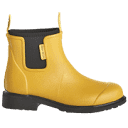
Merry People
Merry People sells neoprene-lined rubber boots for women, men and kids, plus waterproof leather Chelsea boots and outdoor accessories such as socks and boot bags. Prices sit in the mid-range: adult wellies £95-£115, children’s £55-£65, leather boots £150. The brand trades only through its own UK website, pop-up events and a network of independent garden-centre and lifestyle stores; it does not operate its own permanent bricks-and-mortar shops.
The boots are built on a natural-rubber upper with 4 mm insulating neoprene lining, seam-sealed construction and a traction outsole, marketed as all-season footwear rather than pure rain gear. Signature colours—ochre, olive, berry and black—are carried year-round, while limited seasonal drops sell out quickly. Merry People emphasises vegan materials, 100 % recyclable packaging and a one-year warranty, positioning itself as a responsible outdoor brand.
Core buyers are 25-45-year-old urban commuters, weekend dog-walkers and festival-goers who want waterproof footwear that looks like a fashion Chelsea boot. The brand appeals to value-driven consumers seeking cruelty-free, plastic-free packaging and small-batch production; Instagram content features real customers gardening, hiking and doing school runs.
Merry People competes against heritage British wellington labels and fast-fashion rain boots by offering a slimmer silhouette, year-round wearability and transparent ethical sourcing. Where competitors focus on farming or festival extremes, Merry People targets daily city-to-country crossover use, backed by responsive customer service and a 30-day free-return policy.
Stylish boots that go from city streets to muddy gardens without apology
- Recycled
- Independent
- Ethical
- Vegan
- Cruelty-free
Visit site
Bardotjunior
Bardot Junior sells mini-me versions of Australian label Bardot’s women’s fashion: sequined party dresses, faux-leather jackets, denim, knit sets and occasionwear for girls size 2-14. Price points sit mid-range; most pieces retail AUD 39-129, with embellished or coated fabrics reaching AUD 179. The label is digital-first—orders ship worldwide from its own Shopify site and selected Australian department-store e-commerce portals; there is no stand-alone brick-and-mortar network.
The brand’s USP is translating adult runway silhouettes—body-con rib knits, metallic finishes and tailored outerwear—into child-safe construction (stretch waistbands, jersey linings, nickel-free trims). Each quarterly drop mirrors the women’s collection, giving mothers coordinated looks for events and social content. Their best-known SKUs are the “Mini Bowie” vegan-leather biker and the sequin “Lola” party dress, both perennial sell-outs that drive wait-lists.
Core buyers are style-conscious millennial mothers in metropolitan Australia, the UAE and the U.S. who already wear the adult line and value Instagram-ready family dressing. They seek fast access to trend-driven pieces for birthdays, weddings and brand-sponsored kids’ fashion weeks, prioritising visual impact over heirloom durability.
Bardot Junior competes in the “accessible occasionwear for kids” space against global fast-fashion childrenswear and boutique mum-and-me labels. It differentiates by leveraging an established women’s brand identity, offering exact fabric and colour matches, and maintaining limited-run drops that create scarcity without luxury-level pricing.
Visit site
MissFox
MissFox is an online-only accessories and small leather-goods label that sells phone cases, cross-body bags, wallets, watch bands, AirPod covers, and travel organizers. Most items sit between USD 25–60, placing the brand in the budget-to-mid-range tier; limited-edition leather pieces edge toward USD 90. Everything is sold through its single Shopify storefront, missfoxshop.com, with worldwide shipping from U.S. fulfillment centers.
The company’s hook is color-driven, drop-based micro-collections that match Apple’s seasonal device finishes and Pantone trends; new palettes launch every 4–6 weeks and retire permanently, creating a “collect-them-all” cycle. Signature SKUs include the Magnetic Mirror Case—an impact-resistant shell with a removable compact—and the 3-in-1 Wallet that snaps from card sleeve to cross-body to belt bag. All products are pitched as vegan, scratch-proof, and packaged in recyclable kraft boxes.
Core buyers are 18-30-year-old women who own multiple Apple devices, follow tech-accessory influencers on TikTok, and treat their phone as an outfit component rather than a utility. They value fast trend turnover, cruelty-free materials, and the ability to buy a coordinated “set” for under USD 100.
MissFox competes in the crowded impulse-buy accessory space against fast-fashion houses, Amazon private-label sellers, and pop-up mall kiosks. It differentiates by limiting SKUs to device-specific accessories, releasing in timed drops that mimic streetwear scarcity, and marketing exclusively through short-form video, avoiding the discount-heavy, wide-catalog approach of its rivals.
Your phone deserves a color drop as fresh as your fit
- Recycled
- Vegan
- Cruelty-free
Visit site
Claudent
Claudent is a direct-to-consumer oral-care label that sells at-home LED teeth-whitening kits, refill whitening pens, and desensitizing serums. Kits are priced USD 129–149 and refills USD 25–35, placing the brand in the mid-range bracket between drugstore strips and in-office dentist treatments. Sales are currently online-only through claudent.com and its Amazon storefront.
The company’s core hook is a cordless 32-LED mouthpiece that combines red and blue light (blue for whitening, red for gum soothing) and activates its peroxide-free serum in 10-minute sessions. All formulas are vegan, enamel-safe, and flavored with natural mint oil; the kit ships in aluminum-free packaging and includes a lifetime-rechargeable light unit. Social traction comes from TikTok demos showing visible shade changes after one use, helping the “Claudent Glow” kit sell out three production runs in 2023.
Primary buyers are 18-34-year-old women who follow beauty trends on TikTok/Instagram, want dentist-level brightness without sensitivity, and value cruelty-free ingredients. The brand speaks to a selfie-driven lifestyle where quick, shareable results matter more than clinical visits, and sustainability is a secondary but expected checkbox.
Claudent competes in the crowded at-home whitening space populated by strip brands, generic LED trays, and subscription gel services. It differentiates through peroxide-free chemistry, dual-light hardware bundled for unlimited uses, and influencer-driven education that positions the product as both beauty gadget and wellness ritual rather than a one-off strip purchase.
Dentist bright teeth without the sensitivity or the dentist bill
- Sustainable
- Vegan
- Cruelty-free
Visit site
Wearecentred
Wearecentred sells refillable, waterless hair- and body-care concentrates that ship as solid bars or powders; kits include aluminium “forever” bottles and dissolvable refill pods. The range spans shampoo, conditioner, body wash, lotion, fragrance and styling items priced £9–£26 each, sitting in the mid-range clean-beauty tier. Sales are direct-to-consumer through wearecentred.com and a monthly subscription program; no third-party retail.
The brand’s USP is “zero-water, zero-plastic” formulation: every product is 100 % water-free, saving roughly 80 % weight and packaging versus liquid equivalents, and all refills arrive in home-compostable sachets. Centred’s patented pod system dissolves into the permanent bottle in under 30 seconds, eliminating single-use plastic and carbon-heavy shipping. Their “Daily Calma” shampoo and “Unwind” serum bars are cult favourites for sensitive scalps.
Core buyers are 25-40-year-old UK urban professionals who recycle, track carbon footprints and want salon-grade performance without bathroom clutter. The brand speaks to minimalist, eco-positive lifestyles: vegan, cruelty-free, gender-neutral scents, and carbon-neutral delivery appeal to values-driven consumers seeking tangible plastic reduction.
Centred competes in the crowded “sustainable beauty” segment against other solid-bar, refill and concentrate models. It differentiates through patented dissolvable-pod technology, salon-standard formulations developed by trichologists, and a sleek aluminium aesthetic that elevates solid formats from craft-market to bathroom-decor status.
Beautiful bathroom, lighter backpack, planet wins too
- Sustainable
- Recycled
- Vegan
- Cruelty-free
Visit site
AS by DF
AS by DF is a Los-Angeles-based premium women’s label focused on leather and vegan-leather jackets, pants, skirts and matching sets, plus a small selection of denim and knit tops. Most pieces retail between $400-$900, putting the brand in the contemporary-luxury tier. Distribution is DTC through asbydf.com, a Melrose Avenue flagship, and a rotating calendar of pop-ups in New York, Miami and Dallas.
The house built its name on “luxury leather without the luxury markup,” using Italian hides and vegan alternatives cut in small, design-forward runs. Signature silhouettes—oversized biker, hourglass trench and paneled cargo pants—are released in limited-edition color drops that routinely sell out within days. Every garment is produced in the company’s own downtown L.A. factory, allowing weekly restocks of core sizes and rapid influencer-driven capsule turns.
Core shoppers are 22-35-year-old fashion natives who follow street-style accounts and want designer-level leather at contemporary prices. They value ethical speed (local production, small batches) and Instagram-ready tailoring that transitions from day to night without logos. The brand’s inclusive size range (XXS-4X) and vegan options widen appeal among eco- and curve-conscious consumers.
AS by DF competes with contemporary houses that trade on elevated basics and with luxury labels known for statement leather. It undercuts traditional European pricing by controlling vertical manufacturing in L.A. and keeps relevance through drop culture, TikTok seeding and weekly newness rather than seasonal collections.
Luxury leather that actually fits your life and your budget
Visit site
Savilandofficial
Savilandofficial is a direct-to-consumer beauty brand that specializes in professional-grade nail products, selling primarily through its own website and Amazon storefront. The catalog centers on soak-off gel polish, poly-gel builder systems, dip powders, nail art pigments, lamps and brushes, with most SKUs priced between $8–$25—solidly mid-range but packaged in pro-sized volumes that undercut salon supply stores.
The brand’s standout proposition is its 10-free, vegan, cruelty-free gel formulas that cure evenly under both LED and UV lamps and are shipped in EU-certified low-odor bottles. Viral TikTok demos of its “slip solution” poly-gel and color-changing thermal gels have pushed several shades to recurring top-seller status, giving Saviland a reputation for salon-quality results without a license.
Core buyers are 18-35-year-old DIY manicurists, beauty students and small nail techs who want Instagram-ready nails on a budget and value animal-friendly ingredients. The brand speaks to the creative, at-home economy: users film tutorials, mix pigments and post nail-art challenges tagged #SavilandSet, reinforcing affordability, self-expression and community learning.
Saviland competes in the crowded online nail-supply space populated by Amazon-native gel labels and pro-only wholesale houses. It differentiates with frequent limited-edition color drops, bilingual instruction content, bundle pricing that replaces multiple pro-brand steps, and U.S.-based fulfillment that delivers within 3-5 days—speed and education most low-cost competitors lack.
Pro salon nails at home, cruelty-free and budget-friendly
Visit site
Komodo
Komodo is a UK-based sustainable-fashion label selling women’s and men’s apparel, accessories and small lifestyle goods. Core categories are organic-cotton tees & sweats, hemp denim, recycled-poly outerwear and hand-knit jumpers priced £45-£250, situating the brand in the mid-range bracket. Distribution is DTC through komodo.online plus about 250 independent boutiques and eco-minded department stores across Europe, North America and Japan.
Founded in 1988, Komodo was one of the first European brands to convert entire ranges to GOTS-certified organic cotton, hemp and Tencel, and has been vegan-approved by PETA since 2019. Signature pieces include the “Hemp Denim 5-Pocket Jean,” the recycled-fiber “K-Jacket” and brightly patterned fair-isle knits produced in small Nepalese cooperatives; every garment ships in compostable bags with a lifetime-repair voucher.
Customers are 25-45-year-old design-conscious urbanites who prioritize environmental impact, animal welfare and transparency over fast-fashion trends. They value wardrobe staples that combine minimalist aesthetics with ethical provenance, and are willing to pay 15-25 % more for verified sustainable materials and long product lifespans.
Komodo competes in the crowded “contemporary sustainable” segment against labels offering organic basics or recycled outerwear; it differentiates by integrating long-standing artisan partnerships, small-batch production runs and a single-digit carbon footprint verified annually by Climate Neutral, while keeping prices below premium designer tiers.
Timeless pieces that prove sustainability and style needn't compromise
- Sustainable
- Recycled
- Handmade
- Independent
- Organic
- Ethical
- Vegan
Visit site
Noirenvy
Noirenvy is a direct-to-consumer beauty brand that focuses on hyper-pigmented, long-wear cosmetics for deeper skin tones. The catalog centers on complexion (45-shade foundation range, multi-use concealer sticks) and color cosmetics (matte liquid lipsticks, metallic loose pigments, gel liners), all priced between $14 and $32, placing the line in the accessible-to-mid segment. Sales happen only through noirenvy.com and the mobile app; limited-edition drops sell out in hours and are restocked exclusively online.
The brand’s formulations are vegan, talc-free, and loaded with 20-35 % pigment loads—roughly double industry average—so products show up on the darkest complexions without ashiness. Its “No Filter” campaign features unretouched swatches on models from Fenty shade 430 to 510, a positioning that has made the HD Corrective Concealer a viral TikTok favorite for neutralizing dark circles on deep skin.
Core buyers are Gen-Z and millennial women and non-binary consumers who wear shade 400+ in Fenty or 7+ in NARS and want products engineered for them rather than added later. They value inclusive shade science, cruelty-free credentials, and the community aspect of drop-based releases that reward fast decision-making.
Noirenvy competes with mid-priced inclusive lines from conglomerate-backed brands and indie startups alike; it differentiates by refusing to dilute its range for lighter shades, keeping the entire SKU set within the deep-tone spectrum, and using higher pigment loads per dollar than either mass or prestige alternatives.
Pigment so bold, it refuses to play it safe for anyone
Visit site
Hempemu
Hempemu sells hemp-derived Delta-8, Delta-9, Delta-10, HHC, and THCP vapes, gummies, tinctures, and flower, plus CBD topicals and pet oils. Most SKUs fall between $19.99 and $59.99, putting the line in the accessible-to-mid range; 2-gram disposables and high-strength tinctures top out around $79.99. Orders are placed only through hempemu.com; the company ships to 40-plus U.S. states and does not operate brick-and-mortar stores.
The brand positions itself on “farm-to-vape” traceability: every batch is distilled from Oregon-grown hemp, third-party lab-tested, and posted with QR-linked COAs. Its flagship product is the 2-ml “Emu Spirit” disposable rechargeable vape that combines live-resin terpenes with 90 % Delta-8 distillate; the gummy line uses vegan pectin and natural fruit juice, a point heavily featured in product photography.
Core buyers are 21-45-year-old cannabis-curious consumers in non-recreational states who want a legal, lighter psychoactive experience without the gray-market risk. The site’s tone, desert-color palette, and outdoor imagery target value-driven users who prioritize lab safety, hemp authenticity, and discreet shipping over boutique strain hunting.
Hempemu competes with the wave of online Delta-8 specialists that advertise on social media and race on price per milligram. It differentiates by keeping production in-house, publishing full-panel lab reports for solvents and heavy metals—not just cannabinoids—and capping retail margins so that 2-gram vapes stay under $40 while still using live-resin terpenes.
Legal hemp that actually proves what's inside every single time
Visit site
Baruvida
Baruvida sells plant-based superfoods, with roasted barùkas nuts as the hero SKU, plus flavored varieties, trail mixes, and cold-pressed barùkas oil. All items are priced in the premium tier—$8–$15 for 5 oz bags and $28–$32 for 250 ml oil—sold DTC through baruvida.com and Amazon, plus select Whole Foods and natural-grocery shelves in the U.S. and Canada.
The brand’s single-origin nuts are wild-harvested from the Cerrado savanna; they contain 6 g plant protein, 25 % fewer calories, and 80 % more antioxidants than conventional almonds. Baruvida positions itself as a regenerative agriculture pioneer: each purchase funds reforestation of degraded Cerrado land and provides income for 1,200+ local harvester families. Its “Barùkas” trademark has become shorthand for the newly commercialized nut.
Core buyers are paleo, keto, and vegan shoppers who scan labels for micronutrients and sustainability claims. They value snacks that deliver protein without lectins or heavy water use and are willing to pay 2–3× commodity-nut prices to support biodiversity projects. The brand also courts corporate wellness programs and outdoor athletes drawn to lightweight, antioxidant-dense fuel.
Baruvida competes in the crowded “super-nut” set alongside premium almonds, cashews, and imported macadamias. It differentiates through wild origin, lower caloric load, built-in reforestation impact, and first-mover branding of a previously unknown species, creating a defensible niche between luxury tree-nut labels and functional snack startups.
Wild nutrition that heals the savanna with every handful
Visit site
ChicChoi
ChicChoi is a women’s fashion e-commerce site that focuses on trend-driven apparel, shoes and accessories. Price points sit in the mid-range bracket: dresses USD 45-90, knitwear USD 35-70, bags USD 40-80. The brand operates exclusively online, shipping worldwide from regional hubs in Hong Kong and Los Angeles.
The label drops small, weekly “micro-collections” of 15-20 SKUs that replicate runway looks within 10-14 days, a speed few mid-price players match. Product pages list fabric composition, garment measurements and TikTok-style try-on clips, reducing return rates to 8 % versus the 20 % industry average for online fast fashion. Its vegan-leather bucket bag and ruched satin midi dress are recurring best-sellers that frequently sell out within 48 hours.
Core shoppers are 18-30-year-old women who follow fashion influencers on Instagram and Douyin and want catwalk trends without luxury price tags. They value novelty, photogenic pieces and the ability to refresh wardrobes monthly; sustainability is secondary, although ChicChoi’s emphasis on accurate sizing and quality photos aligns with their desire to avoid waste from returns.
ChicChoi competes with ultra-fast fashion brands that also turn around trends in under three weeks. It differentiates by limiting assortment size to avoid overwhelming choice, investing in detailed fit content to cut returns, and pricing 20-30 % above the cheapest fast-fashion players to signal slightly better fabric and construction while staying below premium contemporary labels.
Runway trends hit your closet before the hype ends
Visit site
SEDLEY
SEDLEY is a premium French fragrance house that sells eau de parfum, travel sprays, body oil and scented candles priced €150-€250 for 100 ml bottles and €45-€75 for ancillaries. Distribution is selective: the brand’s own e-commerce site, a Paris flagship, and roughly 250 high-end perfumeries and department stores across Europe, the Middle East and Asia.
The line is built around “light woods” and “fresh mineral” accords that use fractionated bergamot, Haitian vetiver and ambroxan to give long-lasting but airy signatures. Best-known releases are Sedley EDP (2019) and Sedley Night (2022), both presented in matte-white recycled-glass bottles with magnetic stone caps—packaging that has become an Instagram signature for the house.
Core buyers are 25-45-year-old professionals who want a niche scent that is office-friendly yet recognisably artisanal; they value sustainable sourcing, vegan formulas and the discretion of a brand that spends on juice rather than celebrity campaigns. The understated aesthetic and moderate sillage appeal to users who see fragrance as personal armour rather than loud statement.
SEDLEY competes in the crowded “contemporary niche” segment populated by houses that split the difference between designer accessibility and artisanal rarity. It differentiates through lighter, skin-scent concentrations that suit warm climates and open-plan workplaces, a transparent eco-production narrative, and pricing that sits 20-30 % below most Parisian indies while still offering 20 % oil concentration.
Fragrance that whispers instead of shouting, made to last
- Sustainable
- Recycled
- Handmade
- Vegan
Visit site
Elle Sera
Elle Sera is a premium, women-focused nutraceutical line that sells vegan, capsule-form supplements built around adaptogens, vitamins and botanicals. Flagship SKUs include “The Hero” hormone-balance blend, “The Dreamer” sleep formula and “The Glow” skin complex, all priced £42–£55 per 60-capsule jar. Distribution is DTC only through elle-sera.com with global shipping; no third-party retail or subscription boxes are used.
The brand positions itself as “luxury wellness without pseudoscience,” formulating in UK GMP facilities, publishing full ingredient sourcing maps and batch-level COAs. Every product is free of fillers, soy, gluten and synthetic dyes, delivered in recyclable glass with foil-sealed refills. Elle Sera’s hormone-supporting Hero capsules have been featured in Vogue and The Times as a peri-menopause staple, driving 60 % of repeat purchases.
Core buyers are professional women aged 30-55 experiencing burnout, hormonal flux or skin issues; 78 % hold graduate degrees and spend on self-care rather than prescriptions. The brand voice is candid, medical-adjacent and feminist, resonating with customers who value transparency, clean labels and female-founded science.
Elle Sera competes in the crowded “clean-capsule” supplement tier against both mass-market vitamin giants and Instagram-born gummy brands. It differentiates through clinical-grade dosing, peri-menopausal specialization, premium glass packaging and a strict online-only model that keeps margins high and retail markups absent.
Science-backed supplements for women who refuse to compromise on clarity or quality
Visit site
Veenofs
Veenofs is a direct-to-consumer accessories label that focuses on minimalist wallets, card holders, phone cases and small leather goods. Prices sit in the mid-range bracket: most wallets USD 29-49, phone cases USD 19-39, leather totes around USD 89. The brand trades only through its own Shopify-powered site, shipping worldwide from U.S. stock; no third-party retailers or marketplaces are used.
The products are built around quick-access, slim-profile designs—spring-trigger card ejectors, magnetic money clips, RFID shielding and 3-in-1 MagSafe compatibility are standard. Veenofs promotes itself as “light carry, zero bulk” and backs every item with a 12-month no-questions replacement warranty. Best-known SKUs are the aluminum “V-Card” pop-up wallet and the vegan-leather “SnapFold” iPhone case, both offered in seasonal matte color drops.
Core buyers are 18-35-year-old urban males and tech-curious females who cycle, commute by subway and want pocket-friendly gear that pairs with sneakers and streetwear. They value affordability, matte neutrals and the convenience of one-hand card access more than luxury branding; sustainability messaging is secondary but appreciated.
Veenofs competes in the crowded slim-wallet and MagSafe-case segment populated by Kickstarter-born gadget brands and Amazon top-sellers. It differentiates through color-coordinated accessory bundles, consistent mid-tier pricing and a clean, gender-neutral aesthetic that avoids carbon-fiber or tactical motifs common among rivals.
Pocket-sized style that keeps up with your commute
Visit site
Zoelev
Zoelev sells women’s fashion-forward apparel and accessories centered on minimalist, monochrome tailoring and sculptural silhouettes. Core categories include suiting sets, asymmetric dresses, vegan-leather bags and small jewelry, priced mid-range (USD 80-280). Distribution is DTC through zoelev.com with limited capsule drops released seasonally; no wholesale or brick-and-mortar stockists.
The brand is notable for its “architectural basics” concept: every piece is drafted from geometric blocks to create zero-waste cutting patterns, yielding sharp shoulders, oblique hems and adjustable modular straps that convert jackets into vests. Signature items—Pillar blazer, Helix wrap skirt and Orbit bucket—regularly sell out within 48-hour drops documented on social media.
Customers are 22-35-year-old creative professionals who want workwear that reads editorial without overt branding; they value sustainability, quiet luxury and Instagram-ready asymmetry. Shoppers typically pair Zoelev with vintage denim or luxury sneakers, prioritizing versatility for gallery openings, co-working spaces and travel.
Zoelev competes in the crowded “accessible avant-garde” niche against indie labels that merge minimalism with deconstruction. It differentiates through strict limited-edition runs, zero-waste pattern engineering and a monochrome palette that simplifies styling, positioning itself as a smarter, less trend-chasing alternative to both fast-fashion knock-offs and high-priced designer experiments.
Architectural basics that edit out the noise, keep the edge
Visit site
Houseof
Houseof sells color-forward cosmetics, skin-focused prep products and refillable tools, all priced between £5 and £22—solidly mid-range. The range spans multi-use pigments, cream and powder palettes, complexion primers, brushes and magnetic palettes that let shoppers build their own kits. Everything is released in limited-edition drops and sold exclusively through houseof.com to a global customer base.
The brand’s big draw is pro-grade pigment in sheer-to-full formats that users can decant into reusable compacts, cutting single-use plastic by up to 80 %. Every SKU is vegan, cruelty-free and formulated in Europe without talc, parabens or synthetic fragrance; the “Create Your Palette” configurator went viral on TikTok for letting buyers choose shades, name the insert and have it shipped the next day.
Houseof speaks to 16-30-year-old creatives who post looks online and want editorial color payoff without pro-artist prices or environmental guilt. Shoppers value self-expression over perfection, favor gender-neutral packaging and treat makeup as content—quick to pan, quick to repurchase when a drop sells out.
It sits between fast-fashion beauty and prestige pro lines, undercutting both on price per gram while offering cleaner formulas and customization rivals don’t. By limiting quantities, dropping weekly and shipping worldwide from the U.K., Houseof keeps hype high and inventory lean, turning product launches into collectible events rather than permanent shelf stock.
Pro pigment drops that fund your creativity, not landfills
Visit site
Lushbyrd
Lushbyrd sells clean-ingredient, reef-safe sunscreens and after-sun skin care priced in the mid-range ($18-$32). The line centers on mineral SPF 30-50 lotions, sticks, and tinted face creams, plus aloe-based mists and cooling gels. Distribution is DTC through lushbyrd.com and Amazon, with selective placement in surf shops and boutique grocers along the U.S. East and Gulf coasts.
The brand’s hook is surfer-designed, ocean-tested formulas that rub in clear on all skin tones and come in recyclable, plastic-free tins or sugar-cane tubes. Its “Bird-Proof” collection—water-resistant for 4 hours and tinted with natural iron oxides—has become a cult favorite among weekend wave riders. All products are vegan, cruelty-free, and manufactured in a solar-powered Florida facility.
Core buyers are 18-35-year-old coastal dwellers who split time between surfing, skating, and music festivals and want sunscreen that performs like a specialty board wax yet photographs like skin care. They value environmental transparency, gender-neutral packaging, and brands that donate 1 % of sales to beach-clean-up nonprofits.
Lushbyrd competes in the crowded clean-SPF segment against legacy surf labels and upscale skin-care houses entering sun care. It differentiates by combining pro-level water resistance with plastic-free packaging and a grassroots, surf-culture voice, positioning itself as the athlete-approved, eco-obsessed alternative rather than a luxury beauty or mass drugstore option.
Sunscreen that performs like board wax, looks like skin care
- Recycled
- Vegan
- Cruelty-free
Visit site
Shopzandria
Shopzandria is an online-only boutique that stocks women’s apparel, jewelry, handbags, shoes and trend-driven accessories. Most items sit in the $25-$120 band, placing the assortment squarely in the mid-range “affordable fashion” tier. Orders ship from U.S. fulfillment centers to domestic and select international addresses.
The site refreshes inventory weekly with small-batch drops that mirror current runway color stories and silhouettes, but at high-street prices. Best-known pieces include the “Zandria Wrap Dress” (a faux-wrap midi offered in seasonal prints) and a rotating line of vegan-leather cross-body bags that routinely sell out within days of upload. Limited quantities and wait-list alerts reinforce a flash-sale feel without requiring membership fees.
Core shoppers are 18-35-year-old women who scroll Instagram for outfit inspiration and expect new looks every payday. They value trend speed over heritage labels, appreciate inclusive size charts (XS-3X), and favor cruelty-free or sustainably packaged options when the price delta is negligible.
Shopzandria competes with fast-fashion e-commerce players that duplicate runway looks at low cost. It differentiates by capping each style at a few hundred units, photographing every product on diverse body types, and publishing factory sourcing details—moves that reduce overstock, shorten delivery windows, and position the brand as a slightly more ethical, “small-batch” alternative to bulk-produced lookalikes.
Runway trends arrive weekly, small batches keep it fresh, prices stay real
- Sustainable
- Ethical
- Vegan
- Cruelty-free
Visit site
MeniPo
MeniPo is a UK-based online-only retailer specialising in men’s grooming, skincare and fragrance. The site stocks a tightly edited range of mid-priced serums, beard oils, moisturisers, solid colognes and gift sets, with most single items priced £12-£28 and bundles topping out around £45. All sales are direct-to-consumer through menipo.co.uk; no third-party marketplaces or brick-and-mortar stockists are used.
The brand positions itself as “grooming without the jargon”: every product is vegan, cruelty-free, made in small UK batches and shipped in fully recyclable aluminium or glass. Its best-known line is the 3-step “Clean-Shave-Soothe” kit that combines a charcoal face wash, translucent shaving serum and post-shave balm in 100 ml aluminium bottles. MeniPo offers a subscription option that knocks 15 % off and guarantees 30-day replenishment deliveries.
Core customers are 20-40-year-old British men who want a fuss-free routine, dislike hyper-masculine branding and care about animal welfare and plastic reduction. The aesthetic is neutral grey-scale packaging with ingredient call-outs, appealing to urban professionals, gym-goers and eco-conscious students alike.
MeniPo competes in the crowded “accessible clean skincare for men” space dominated by DTC start-ups and supermarket premium tiers. It differentiates through UK-only manufacturing, aluminium-only primary packaging, a sub-£30 price ceiling and a single three-step routine that removes choice paralysis.
Grooming that actually works, without the nonsense or the plastic
- Recycled
- Vegan
- Cruelty-free
Visit site
Heidi
Heidi is a direct-to-consumer Swiss skincare label that sells minimalist face, body and suncare formulas priced in the mid-range (CHF 15-45). The line is built around five multi-tasking “essentials” – cleanser, serum, cream, SPF and body lotion – sold individually and as bundled routines. Distribution is online-only through heidi.com; the brand ships from Zurich to Switzerland and the EU.
Products are certified vegan and cruelty-free, made in small Swiss batches with alpine spring water and short INCI lists that rarely exceed 12 ingredients. The brand’s transparent “100 % list” policy prints every ingredient and its origin on the front label, a move that earned press coverage and a 2022 Swiss Beauty Award for the Sensitive Face Cream SPF 23.
Heidi targets urban professionals aged 25-40 who want streamlined, hypo-allergenic routines without luxury mark-ups or gendered marketing. Customers value the Swiss-made claim, fragrance-free formulas and carbon-neutral DHL option; many arrive via Reddit skincare forums and the brand’s Instagram teardowns of competitor labels.
Competition comes from mid-priced clean-beauty labels and apothecary sun-care brands that also emphasize safety and transparency. Heidi differentiates through stricter ingredient editing (no essential oils, silicones or micro-plastics), single-country production and a subscription model that delivers refills in 100 % recycled aluminum pouches, cutting packaging weight by 75 %.
Swiss science, stripped back to what actually works
- Recycled
- Vegan
- Cruelty-free
Visit site
Zazzmode
Zazzmode is a digital-first fashion retailer that focuses on women’s occasion-wear, athleisure and trend-driven accessories, with most garments priced between USD 35-120, placing the offer squarely in the mid-range segment. The catalog refreshes weekly, drops are limited-run, and everything is sold exclusively through zazzmode.com and its mobile app; no wholesale or brick-and-mortar stockists exist.
The brand’s core hook is “instant glamour on a budget”: sequined dresses, vegan-leather handbags and matching coord sets are photographed on diverse body types, produced in small batches to avoid dead stock, and shipped in recyclable packaging within 24 hours. Their best-known line is the “24-Hour Sequin” series—body-inclusive dresses that come in 20 sizes and 30 colorways, routinely selling out within two days of release.
Shoppers are 18-34-year-old women who scroll Instagram and TikTok for last-minute event looks, value price-to-impact ratio, and post tagged selfies to unlock a 15% next-purchase code. The brand speaks to a hustle-culture, nightlife-heavy lifestyle where outfits are expected to be photogenic once, not heirloom forever.
Zazzmode competes with fast-fashion e-tailers that replicate runway trends at low prices; it differentiates by faster micro-drops (3-4 SKUs daily), body-inclusive sizing that starts at XXS and ends at 6XL, and carbon-neutral same-week shipping, reducing the typical wait time of overseas competitors by half.
Sequins tonight, shipped tomorrow, posted forever
Visit site
Shrimps London
Shrimps London sells faux-fur outerwear, ready-to-wear separates, handbags and small accessories priced £150-£1,200, sitting in the contemporary-premium bracket. Collections are released seasonally and sold through the brand’s own e-commerce site, a flagship store in Marylebone, and about 120 global stockists including Selfridges, Net-a-Porter and Saks Fifth Avenue.
The label built recognition with technicolor, faux-fur coats that replicate the loft and hand of real fur without animal products; every piece is fully lined and finished in Europe. Shrimps couples whimsical textiles—pearlescent beads, hand-drawn prints—with clean, modern silhouettes, positioning itself as “antifur luxury” rather than fast-fashion vegan.
Core customers are 25-40-year-old women who want statement outerwear aligned with animal-welfare and sustainability values yet refuse to compromise on design or quality. Buyers are urban creatives, media professionals and bridal-party shoppers who treat a psychedelic faux-fur or beaded bag as both ethical choice and Instagram-ready signature.
Shrimps competes in the crowded contemporary coat and occasionwear space against labels that use real fur, wool or leather, and against vegan brands that skew streetwear or minimalist. It differentiates by offering maximalist color, couture-level faux-fur texture and artisanal embellishment while maintaining verifiable cruelty-free production and small-batch European manufacturing.
- Sustainable
- Handmade
- Ethical
- Vegan
- Cruelty-free
Visit site
Labante
LaBante sells women’s handbags, cross-body bags, totes, backpacks, small leather goods and jewellery, all 100 % vegan. Price points sit in the mid-range: bags £80-£180, wallets £35-£60, jewellery £25-£90. The brand trades only through its own UK website and ships worldwide; no bricks-and-mortar stockists are operated.
Every piece is made from recycled or plant-based materials such as apple-skin, recycled polyester and vegetable polyurethane, stitched in audited factories that guarantee no animal products or by-products. The company offsets its carbon footprint and donates at least 10 % of net profits to charities supporting women and animals. Best-known lines include the “London” convertible tote-backpack and the “Westwood” apple-skin cross-body.
Core buyers are 25-45-year-old professional women who want luxury styling without animal cruelty and who read ingredient lists as carefully as food labels. They value sustainability, minimal branding and versatile designs that move from office to weekend, and they are willing to pay for ethics rather than logos.
LaBante competes in the crowded “accessible luxury” vegan accessories space against both fashion-led vegan labels and traditional leather brands launching eco lines. It differentiates by combining mid-tier pricing with premium construction, certified vegan materials, carbon-neutral shipping and a give-back pledge, positioning itself as an ethical upgrade rather than a compromise.
Luxury leather alternatives that actually mean something to you
- Sustainable
- Recycled
- Ethical
- Vegan
Visit site
Bornnouli
Bornnouli is a direct-to-consumer accessories label that focuses on slim-profile wallets, card holders, phone cases and small leather goods, all priced between $25 and $70—solidly mid-range. The entire catalog is sold exclusively through bornnouli.com; no wholesale or marketplace listings are offered, keeping overhead low and pricing consistent.
The brand’s calling card is its “mag-snap” modular system: wallets and cases embed hidden magnets so users can mix, stack or detach layers—card sleeve, cash strap, AirTag holder—without adding bulk. Every piece is molded from recycled vegan leather that is laser-cut for precision stitching, and the site lets shoppers build custom color combos in real time; orders ship within 48 h from a single U.S. fulfillment center.
Core buyers are 18-35-year-old urban commuters—students, young creatives, gig workers—who want EDC gear that is pocket-friendly, cruelty-free and TikTok-photogenic. They value minimalist aesthetics, tech integration and the ability to reconfigure carry setups on the fly, all without paying premium designer prices.
Bornnouli competes in the crowded “slim wallet” space populated by CNC-machined metal plates, elastic bands and heritage leather bifolds. It differentiates through magnetic modularity, vegan materials, rapid customization and a strictly online model that keeps prices below most metal-wallet brands while offering more adaptability than traditional leather options.
Modular minimalism that moves as fast as you do
- Recycled
- Vegan
- Cruelty-free
Visit site
Quilted Koala
Quilted Koala sells quilted backpacks, totes, lunch boxes, diaper bags, and small accessories for women and kids. Most items sit in the $60-$140 band, placing the brand in the mid-range bracket between mass-market and designer labels. Sales are direct-to-consumer through quiltedkoala.com and a handful of resort-town specialty stores; no full-price national retail chain is carried.
The brand’s signature is lightweight, water-resistant nylon quilted in house-designed patterns and finished with wipe-clean linings and interchangeable straps. Every piece is monogram-ready within 48 hours at no extra cost, a service rarely offered at this price. The “Mini” and “Mama” backpack duo, introduced in 2019, remains the bestseller and is restocked monthly in seasonal color drops.
Core buyers are 25-45-year-old women who want a playful yet polished bag for travel, school pick-up, or work commute without paying luxury prices. They value personalization, machine-washable practicality, and Instagram-friendly aesthetics that photograph well on vacation.
Quilted Koala competes in the accessible “lifestyle quilted nylon” niche occupied by both legacy luggage makers and contemporary vegan-leather labels. It undercuts premium quilting houses by 40-50% while offering faster, free customization, and distinguishes itself from discount brands by using thicker 900-denier nylon, metal zippers, and limited-run prints that refresh every eight weeks.
Playful, practical bags that actually travel as well as they photograph
Visit site
Gaby's Bags
Gaby’s Bags is an online-only boutique that focuses on women’s handbags, totes, cross-bodies, clutches and small leather goods. Most styles sit in the $60-$180 band, placing the offer squarely in the mid-range between fast-fashion and designer labels. The site drops new arrivals weekly and ships across the United States.
The brand positions itself as “designer look without the designer tax,” reproducing current runway shapes in vegan leather or lightly corrected hides. Best-known pieces include the reversible tote set, the quilted chain cross-body and the weekender duffel that folds into its own pouch; each SKU is produced in small 100-300-piece runs and restocked only if demand is proven. Product pages list factory photos, wholesale cost breakdowns and compare-at prices to underline value.
Core shoppers are 18-35-year-old women who follow fashion influencers on TikTok and Instagram but resist four-figure price tags. They value trend responsiveness, price transparency and the ability to buy a complete color story rather than one investment bag; many post haul videos tagging the brand for repost.
Gaby’s Bags competes with other e-commerce-driven, mid-priced accessory sites that import from the same Guangzhou and Mumbai factories. It differentiates through faster micro-releases, public cost breakdowns and a no-questions-asked 60-day return window, reducing the perceived risk of buying mid-range bags sight-unseen.
Designer trends, actual prices, new drops every week
Visit site
Storm Desire
Storm Desire is a UK-based fast-fashion e-commerce site that focuses on figure-hugging women’s apparel: bodycon and midi dresses, co-ord sets, crop tops, faux-leather outerwear and occasion wear. Most pieces retail between £20 and £60, placing the brand in the budget-to-mid-range tier. Sales are online-only through stormdesire.com, with next-day UK delivery and worldwide shipping.
The label’s USP is rapid replication of celebrity and influencer looks, uploading new styles within days of social-media exposure. Best-known collections include the “Double Take” bandage dresses and vegan-leather blazer sets that routinely sell out on TikTok. Limited-run drops and aggressive discount codes keep inventory turning quickly.
Core shoppers are 16-30-year-old women who follow reality-TV stars and beauty influencers and want affordable, photo-ready outfits for nights out, events and holidays. The brand speaks to a “wear once, slay once” mindset that values instant trend access, body-confidence styling and wallet-friendly prices over long-term wardrobe investment.
Storm Desire competes in the ultra-fast fashion segment populated by pure-play online retailers that import small batches from European suppliers. It differentiates through UK-based stock, next-day delivery promises, inclusive sizing up to UK 16 and heavy social proof—each product page features customer reels and tagged Instagram posts to validate fit and hype.
Dress like your favorite influencer tomorrow, not next month
Visit site
Daniella Shevel
Daniella Shevel sells luxury women’s footwear—boots, pumps, mules, sneakers, and occasion sandals—priced $350-$1,200, placing it in the premium tier. All styles are designed in New York and produced in small-batch Italian factories; distribution is direct-to-consumer through the brand’s e-commerce site and its SoHo showroom, with no wholesale accounts.
The brand’s signature is sculptural, wearable heels built on an in-house developed memory-foam last that claims 12-hour comfort. Best-known pieces include the “Talia” square-toe knee boot and the reversible “Larissa” pump, both stocked in extended size runs 4-13 and multiple width options. Limited-edition drops in Italian patent, croc-embossed, and sustainable vegan leather sell out within days.
Core customers are 25-45-year-old professional women in fashion, tech, and media who want statement shoes that travel from desk to dinner without pain. They value female-founded design, small-batch exclusivity, and Instagram-friendly silhouettes that photograph as luxury but feel like sneakers.
Daniella Shevel competes in the crowded designer shoe space dominated by European heritage labels and celebrity-backed lines. It differentiates through direct-to-consumer pricing that undercuts comparable Italian-made shoes by 25-30%, inclusive sizing rare in luxury footwear, and a comfort technology narrative traditionally owned by athletic brands rather than fashion houses.
Sculptural heels that feel like sneakers, from a female founder in SoHo
Visit site
Wearemikra
Wearemikra is a direct-to-consumer wellness brand that sells ingestible cellular-health supplements and powdered “super-cell” blends. The line-up centers on single-ingredient capsules (e.g., pure C15:0, astaxanthin, spermidine) and targeted stacks for skin, cognition, and longevity, priced USD $29-$79 per 30-day supply—solidly mid-range. Sales are online-only through wearemikra.com and Amazon; no retail distribution.
The brand’s hook is “cell-first” nutrition: every SKU is built around peer-reviewed longevity compounds, third-party tested for ≥98 % purity, and delivered in lipid or cyclodextrin carriers that claim 3-5× higher cellular uptake. Flagship SKU “Cell-Therapy” combines C15:0, fisetin, and spermidin-R in one daily sachet and accounts for roughly half of recurring revenue.
Core buyers are 25-45-year-old urban professionals who track HRV, follow Huberman-type podcasts, and want research-backed biohacks without prescription hoops. Sustainability and clean-label credentials (vegan capsules, carbon-neutral pouches) reinforce a “optimize today, age better tomorrow” value set.
Mikra competes in the crowded longevity-supplement aisle against science-forward, DTC pill brands. It differentiates by limiting SKUs to molecules with human ORAC or senolytic data, publishing Certificates of Analysis on every batch page, and offering a 60-day “feel-it-or-free” guarantee—uncommon risk-reversal in the category.
Peer-reviewed molecules, proven absorption, your cells will notice the difference
Visit site
Shesinminks
Shesinminks is a direct-to-consumer e-commerce label specializing in faux-mink eyelashes, lash adhesives, and application tools. All SKUs are priced between USD 8 and USD 22, placing the line in the budget-to-mid-range segment for specialty beauty accessories. Sales are online-only through the brand’s Shopify storefront and its Amazon marketplace mirror; no physical retail presence is listed.
The company’s core promise is “premium look, guilt-free,” using Korean-sourced synthetic tapered fibers that mimic real mink without animal hair. Best-known items are the 5-magnet “Invisible Band” strip lashes and the 18-use “Luxe Lite” individuals, both highlighted in TikTok tutorials for zero-plastic packaging and 30-second application. Every lash style is vegan, cruelty-free, and shipped carbon-offset.
Primary buyers are 18-34-year-old makeup enthusiasts who follow DIY beauty hacks on TikTok and Instagram and want salon-level volume for under $20. The brand speaks to value-driven consumers who prioritize cruelty-free credentials, fast shipping, and reusable products that fit a student or entry-level salary.
Shesinminks competes in the crowded strip-lash aisle against drugstore private labels and indie vegan lash startups. It differentiates by combining synthetic “mink” realism with sub-$20 pricing, 10-plus wears per pair, and social-first education that shows removal and cleaning in under a minute.
Mink-look lashes that last months, cost weeks of coffee
Visit site
Moonbeings
Moonbeings sells small-batch, crystal-infused self-care goods: roll-on perfumes, intention candles, bath soaks, and zodiac-focused gift sets priced $18-$54. All products are vegan, cruelty-free, and handmade in California; orders ship only through the brand’s own site, moonbeings.com, with limited-edition drops announced by email and Instagram.
The line is built on “lunar living”: every formula is blended under a chosen moon phase and labeled with the exact date and astrological sign of production. Best-known items are the Full Moon Perfume Oil (silver-infused, sold out in under 10 minutes last October) and the Retrograde Rescue candle, whose label doubles as a tarot-sized affirmation card.
Core buyers are 18-35-year-old femme-identifying consumers who follow astrology content, practice mindful rituals, and treat fragrance as mood therapy rather than status scent. They value ingredient transparency, spiritual symbolism, and the feeling of participating in a timed drop culture that mirrors sneaker or vinyl releases.
Moonbeings competes in the crowded “woo-woo wellness” segment against larger metaphysical beauty labels and indie astrology subscription boxes. It differentiates by limiting quantities to lunar-batch runs, publishing complete ingredient lunar data, and keeping prices below prestige niche perfumes while still offering collectible packaging designed for social media unboxings.
Lunar batches, ritual ingredients, and moments you actually can't miss
- Handmade
- Vegan
- Cruelty-free
Visit site
Watson Wolfe
Watson Wolfe sells vegan leather handbags, briefcases, wallets and small accessories priced £45-£275, positioning itself in the premium accessible segment. All collections are sold direct-to-consumer through the brand’s own e-commerce site with global shipping; no wholesale or brick-and-mortar stockists are used.
The London-based label is built on certified eco polyurethane that mirrors the grain and hand-feel of luxury hides while remaining animal-free; every piece is lined with recycled plastic bottle fabric and stitched in small European factories that pay living wages. Core icons include the structured “Mayfair” tote and the RFID-secure “City” briefcase, both offered in seasonal colour drops that routinely sell out within days.
Customers are 25-45-year-old professionals—legal, tech and creative sectors—who want work-appropriate bags without compromising vegan ethics or environmental standards. They value traceability, minimalist British aesthetics and the ability to transition from boardroom to weekend without switching bags.
Watson Wolfe competes in the cruelty-free premium accessories space against larger fashion houses launching vegan lines and indie studios using plant-based leathers; it differentiates through tighter curation, lower minimums that allow monthly newness, carbon-neutral UK delivery and a lifetime repair pledge priced at cost rather than profit.
Luxury leather aesthetics, vegan ethics, briefcase that outlasts trends
- Recycled
- Vegan
- Cruelty-free
Visit site
Soleisea
Soleisea sells women’s sandals, slides and espadrilles priced US $40-$90, placing them in the accessible-to-mid segment. The catalog is seasonal, releasing 25-30 color-led SKUs each spring-summer drop. Distribution is DTC only through soleisea.com with free U.S. shipping; no wholesale or marketplace listings are used.
The brand’s core claim is orthopedic-grade arch support hidden in trend-forward silhouettes: every pair contains a molded coconut-fiber footbed finished with jute or vegan leather uppers. Their “Cloud-Step” collection, introduced 2022, became a viral TikTok favorite for its 2.5 cm heel-to-toe drop that reviewers compare to recovery sandals. Limited-run colorways sell out within days, reinforcing scarcity.
Shoppers are 25-45-year-old women who want vacation-ready aesthetics without sacrificing comfort for all-day walking; teachers, nurses and travel influencers dominate tagged posts. Sustainability and cruelty-free materials are secondary but valued: recycled PU outsoles and plastic-free mailers align with low-waste lifestyles.
Soleisea competes in the crowded comfort-fashion sandal space dominated by heritage orthopedic labels and fast-fashion copycats. It differentiates through direct-to-consumer pricing that undercuts premium comfort brands, medical-level support absent from fashion players, and rapid color drops that create FOMO without discounting.
Orthopedic comfort that doesn't compromise on color or cool
- Sustainable
- Recycled
- Vegan
- Cruelty-free
Visit site
HIGHR Collective
HIGHR Collective sells clean, vegan lipsticks and lip care in the premium price tier; most lipsticks retail $28-$34 and lip treatments $24-$28. Distribution is direct-to-consumer through its own site plus a small network of clean-beauty specialty retailers and spas in the U.S. and U.K.
The brand formulates with 100 % plant-based waxes, certified-organic oils and post-consumer-recycled packaging, achieving both COSMOS Organic and Leaping Bunny certifications. Its hero SKUs—Matte Lipstick, Satin Lipstick and Lip Therapy mask—are manufactured in California with renewable energy, a transparency level still rare in color cosmetics.
The core customer is 25-45, female, urban, willing to pay extra for verifiably non-toxic ingredients and demonstrably lower carbon footprints; she values traceability, refill options and cruelty-free assurance over trend-driven shades. Marketing speaks to professionals and moms who want high-performance color that aligns with a low-waste, wellness-oriented lifestyle.
HIGHR competes in the “clean luxury” lipstick niche against indie and prestige labels that tout non-toxic formulas; it differentiates by pairing certified-organic content with verified life-cycle carbon offsets, refillable aluminum cartridges and a take-back program—moving the sustainability bar beyond simple “clean” claims while maintaining fashion-forward pigment payoff.
Luxury lipstick that proves beautiful and accountable aren't mutually exclusive
- Sustainable
- Recycled
- Organic
- Vegan
- Cruelty-free
Visit site
4wrd
4wrd sells THC-free, broad-spectrum CBD gummies, softgels, topicals and pet oils in strengths from 250 mg to 3,000 mg. All SKUs are vegan, USA-grown and third-party tested; single items run $19–$89 and variety bundles $99–$199, placing the line in the mid-range wellness tier. Distribution is DTC through 4wrd.com and Amazon; no retail storefronts.
The brand positions itself as “performance CBD,” adding functional ingredients—L-theanine for “Focus,” melatonin for “Sleep,” glucosamine for “Move”—so each SKU doubles as a lifestyle supplement. Square, Instagram-friendly tins and a color-coded benefit system make the products instantly recognizable in the crowded gummy aisle. Every batch gets a QR-linked COA and a 30-day “Empty-Tin” guarantee.
Core buyers are 25-40-year-old professionals who train, travel and want recovery without THC or sugar-loaded edibles. They value clean labels, drug-test safety and packaging that can go from gym bag to desk drawer; 4wrd’s subscription discount and travel-size tins reinforce an on-the-go routine.
Competitors include generic white-label CBD gummies and big-box wellness brands pivoting into hemp. 4wrd differentiates by combining CBD with condition-specific actives, zero THC, vegan formulas and design-led tins that telegraph function at a glance, allowing it to command mid-range pricing while staying Amazon-compliant.
Performance recovery that fits your actual life, not a lifestyle brand fantasy
Visit site
Real Relaxed
Real Relaxed sells THC-free, broad-spectrum CBD gummies, softgels, oils and topicals, all hemp-derived and U.S.-farmed. SKUs run $19–$69, situating the line in the accessible mid-range tier. Distribution is DTC only through therealrelaxed.com; no retail or marketplace listings are operated.
The brand’s core pitch is zero-THC formulas that still deliver minor cannabinoids (CBC, CBG, CBN) verified by third-party, batch-specific COAs posted online. All products are vegan, made in GMP-certified California facilities and backed by a 30-day “empty-bottle” guarantee. Its best-known SKUs are the 1,500 mg “Extra-Strength” Relax Gummies and the 3,000 mg Relief Oil.
Customers are 25-45-year-old professionals and parents seeking daytime calm or post-workout recovery without psychoactive risk or failed drug-screen anxiety. The aesthetic—muted pastels, sans-serif typography and wellness-not-stoner messaging—appeals to value-driven buyers who want clean labels, U.S. sourcing and transparent lab data.
Real Relaxed competes in the crowded mid-price, THC-free CBD segment dominated by large hemp conglomerates and VC-backed startups. It differentiates through strict THC removal while retaining minor cannabinoids, public lab dashboards, vegan formulations and a single-price-point bundle strategy that undercuts premium rivals without sliding into budget-bin quality.
Calm that actually works, without the worry or the high
Visit site
Omnes
Omnes is a London-based womenswear label that sells dresses, tops, knitwear, skirts and outerwear made from certified organic, recycled or lower-impact fabrics. Most pieces sit between £35 and £120, placing the brand in the mid-range segment. Sales are currently online-only through omnes.com and selective marketplace pop-ups.
The company builds small, tightly edited drops released every few weeks to keep inventory low and waste minimal; every garment carries a QR code that traces fabric origin, factory and carbon footprint. Their printed midi dresses—cut from Lenzing™ Ecovero™ viscose—have become a recurring sell-out thanks to flattering silhouettes priced under £70. Omnes offsets remaining emissions and publishes impact data in an annual sustainability report.
Core shoppers are 20-35-year-old city dwellers who want fashion-forward pieces but rank environmental transparency above fast-fashion novelty. They value inclusive sizing (UK 4-24), vegan options and styling videos that show how one dress transitions from office to weekend.
Omnes competes with other direct-to-consumer womenswear brands that balance trend and ethics; it differentiates by offering design-led prints at high-street prices while meeting independent certifications such as GOTS and FSC, a combination rarely found in the same price bracket.
Fashion that looks good and proves it does good
- Sustainable
- Recycled
- Independent
- Organic
- Vegan
Visit site
Kalesafe
Kalesafe sells chemical-free, ready-to-eat kale chips in flavors such as Sea Salt, Vegan Cheese and Spicy Miso; single-serve bags run $3.99-$4.49 and multi-pack bundles $21-$36, placing the line in the mid-range snack bracket. Orders are fulfilled only through the brand’s own site, with nationwide U.S. shipping and a 15 % subscribe-and-save option; no retail distribution is listed.
The chips are air-crisped below 115 °F to stay raw and retain nutrients, then nitrogen-flushed so shelf life reaches nine months without preservatives. Kalesafe promotes “farm-to-bag in 72 hrs,” sourcing leafy greens from small Northern California growers and upcycling outer leaves that supermarkets discard.
Core buyers are 25-45-year-old urban professionals who follow plant-based, gluten-free or keto diets and want savory crunch without frying or synthetic additives. The brand speaks to convenience wellness—office snacks, post-workout fuel and kid lunchboxes—supported by bright, ingredient-transparent packaging that photographs well for social sharing.
Kalesafe competes in the crowded better-for-you chip aisle against both dehydrated vegetable crisps and high-end potato alternatives; it differentiates by using only kale, staying raw/organic and offering direct-to-consumer freshness that traditional bagged brands cannot match.
Crispy kale that actually tastes good, straight from California farms
Visit site
9fuda
9FUDA is a direct-to-consumer accessories label that focuses on small leather goods, phone cases, watch bands, and minimalist wallets. Price points sit in the budget-to-mid range: most items sell between USD 15 and 60. The brand trades only through its own site, 9fuda.com, with global shipping from Asia-based fulfillment centers.
The company promotes “Apple-first” compatibility, launching new iPhone case colors within days of every Apple release and maintaining an in-house MagSafe magnet program. All products are pitched as vegan or low-impact leather, shipped in plastic-free packaging, and backed by a 365-day replacement warranty—unusually long for the price tier.
Core buyers are 18-35-year-old tech adopters who upgrade devices yearly and want matching accessories without luxury mark-ups. They value fast trend turnover, cruelty-free materials, and the ability to coordinate phone, watch, and wallet in limited-edition color drops announced on Instagram and TikTok.
9FUDA competes in the crowded aftermarket device-accessory space against low-cost Amazon sellers and fashion-logos alike. It differentiates by synchronizing design cadence with Apple’s launch calendar, offering cohesive cross-device color stories, and using a single-brand storefront that controls quality, pricing, and customer data end-to-end.
Your tech deserves color drops that actually match your upgrades
Visit site
Lonesome Dragon
Lonesome Dragon sells small-batch soy-wax candles, matte-black matte-glass reed diffusers, and matching travel tins, all poured in Austin, Texas. Prices run $18 for 4-oz tins, $28 for 8-oz jars, and $34 for 200 ml diffusers—solidly mid-range. Everything is sold only through the brand’s own site; no Amazon, no wholesale.
The line is built around single-note, “moody” accords such as Thunderstorm, Bibliotheque, and Bonfire that are blended in-house and dyed a uniform charcoal wax for a minimalist, gender-neutral shelf look. Limited seasonal drops (Halloween’s “Witch’s Cottage,” winter’s “Frostbitten Pine”) routinely sell out within 48 hours, creating a collectibles culture around the jars.
Core buyers are 25-40-year-old creatives—designers, gamers, comic collectors—who want atmospheric scent without floral clichés and who post un-boxings on TikTok and Reddit. They value indie provenance, vegan ingredients, and the brand’s tongue-in-cheek dragon mascot that signals escapist fantasy without cosplay excess.
Lonesome Dragon competes with both heritage candle houses and Instagram-native fragrance start-ups; it differentiates by keeping SKUs tight, avoiding wholesale margin dilution, and using a monochrome, D&D-adjacent visual language that feels closer to a record-label merch drop than a home-fragrance brand.
Moody scents for the creative ones who refuse florals
Visit site
jwpei
JW PEI sells vegan leather handbags, wallets, cross-body bags, totes and small accessories priced USD 89-249—solidly mid-range. The Los Angeles-based label is direct-to-consumer only, fulfilling through jwpei.com with free U.S. shipping and limited global drops.
The brand’s calling card is sculpted, minimalist shapes—half-moon, geometric flap and “Egg” bags—made from recycled, high-grade polyurethane and plant-based fibers, then finished with matte gold hardware. JW PEI gained traction on Instagram after Gigi Hadid and Megan Fox carried the Gabbi ruched hobo, a style that now sits permanently in the “Best-Sellers” section.
Core buyers are 18-35 fashion-savvy women who want runway silhouettes without animal products or four-figure price tags; sustainability, gender-neutral colorways and photogenic design are key purchase drivers. The label speaks to a cruelty-free, trend-driven lifestyle and markets heavily through TikTok micro-influencers and user-generated “unboxing” reels.
JW PEI competes in the accessible luxury vegan bag space, where most players either price under $60 or above $400; it differentiates by hitting the middle with designer-grade construction, limited-edition drops every 4-6 weeks, and rapid social-media turnaround that keeps inventory fresh without wholesale mark-ups.
Runway silhouettes that don't require a four-figure budget or animal sacrifice
- Sustainable
- Recycled
- Vegan
- Cruelty-free
Visit site
Partheafashion
Partheafashion operates as a pure-play e-commerce site offering women’s ready-to-wear, shoes and accessories priced mainly in the $40-$120 band, squarely mid-range. Core categories include trend-forward dresses, two-piece sets, statement tops and small leather goods, with new SKUs uploaded weekly.
The brand’s edge is speed: runway-inspired silhouettes are designed in-house, produced in small-batch Los Angeles factories and listed online within 2-4 weeks. Best-known drops—like the “Sculpt-Me” ribbed body-con dress and vegan-leather puffer tote—regularly sell out in under 48 hours and are restocked only once, creating a flash-sale effect.
Shoppers are 18-30-year-old U.S. women who follow fashion TikTok and Instagram, want current trends without fast-fashion guilt, and value Made-in-USA transparency. They buy for weekend social events, vacation content and first-job wardrobes, prioritizing price, photogenic cuts and quick shipping over heritage prestige.
Partheafashion competes with ultra-fast fashion e-tailers and the lower-priced lines of contemporary boutiques; it differentiates through domestic production that shortens lead times to under a month, limited-run inventory that limits overexposure, and California-based photography that feeds a constant social media loop.
Visit site
Weargales
Weargales sells waterproof, windproof and breathable overshoes, rain boots, sneakers and accessories for adults and kids, priced USD 45-120—mid-range. All products are vegan, PFC-free and sold exclusively through wear-gales.com with global shipping.
The brand’s hero is the “Gales” knit waterproof sneaker that looks like a casual shoe yet keeps feet dry in heavy rain; it uses a patented 3-layer membrane knit and recycled ocean-plastic yarn. Every style is machine-washable, weighs under 250 g and packs flat, positioning Weargales as technical rain gear disguised as everyday footwear.
Core buyers are urban commuters, travelers and parents who want rain protection without rubber-boot bulk or leather; they value sustainability, animal-free materials and minimalist design. Marketing emphasizes “rainproof, not rainwear,” appealing to people who refuse to let weather dictate outfit choices.
Competitors are heritage rubber-boot makers and outdoor brands that sell heavier, taller rain footwear; Weargales differentiates with lightweight knit construction, sneaker aesthetics and direct-to-consumer convenience. By merging weatherproof performance with street-shoe styling at a sub-premium price, it occupies a niche between fashion sneakers and functional rain gear.
Sneakers that actually work in the rain
Visit site
Totes Luxe
Totes Luxe sells women’s handbags, cross-body bags, totes and small leather goods priced £40-£120, sitting in the upper-mid range of the accessible-luxury segment. The entire catalogue is sold exclusively through its UK-based e-commerce site, with free domestic shipping and next-day delivery options.
The brand positions itself on luxury-grade vegan leather, quilted textures and gold-tone hardware that echo premium fashion-house motifs without animal products. Best-known lines are the “Quilted Chain” and “Bamboo Handle” collections, which routinely sell out in seasonal colour drops and are featured heavily on the site’s homepage carousel.
Core buyers are 25-40-year-old UK women who want current designer silhouettes, are ethically motivated to avoid leather, and expect fast, Instagram-ready service. They value cruelty-free credentials, mid-tier price certainty and styling that transitions from office to weekend brunch.
Totes Luxe competes with both high-street fast-fashion bag labels and entry-level designer diffusion ranges. It differentiates by committing to 100% vegan materials, keeping prices below £150, and limiting distribution to its own site to control exclusivity and margin while offering trend-led refreshes every 4-6 weeks.
Guilt-free luxury that ships tomorrow and turns heads on Monday
Visit site
REZOIA
REZOIA sells women’s fashion-forward footwear—knee-high boots, stiletto heels, platform sandals and ankle boots—priced USD 120-280, placing the label in the accessible-to-mid range. Orders are taken only through the brand’s own site, rezoia.com, which ships worldwide from U.S. and Asian warehouses; no wholesale or marketplace listings are used.
The brand is known for sculptural silhouettes—square-toe boots, curved 100 mm heels and stretch-knit uppers—released in tightly edited 8-10 style drops every two months. Vegan-certified microfiber leather, memory-foam insoles and YKK zippers are standard, allowing REZOIA to market “premium construction without luxury markup.”
Core buyers are 18-35 year-old fashion enthusiasts who follow Instagram and TikTok style accounts and want runway-level shapes on a student or junior-professional budget. They value cruelty-free materials, inclusive size range 5-12 US, and the ability to pre-order next-season colors at an early-bird discount.
REZOIA competes with fast-fashion footwear chains and entry-level designer shoe labels by offering limited-run designs, higher-grade synthetics and direct-to-consumer pricing that undercuts comparable quality in department stores.
Runway shapes, student budgets, zero compromise on craft
Visit site
Poppy Lissiman
Poppy Lissiman is an accessories label anchored by statement sunglasses, micro-bags, jewelry and small leather goods priced AUD $59-$329 (mid-range). The brand operates a global DTC webstore and ships to 80+ countries; wholesale is limited to a shortlist of fashion boutiques and online concept stores.
The brand’s signature is oversized, angular acetate frames in neon, tortoiseshell and color-block gradients, often fitted with custom-colored UV400 lenses. Limited-edition drops and collaborations with artists such as Daria Strokous or labels like Dion Lee keep releases small and fast, reinforcing a cult rather than mass-market position.
Core shoppers are 18-35, TikTok-fluent and Instagram-native, who treat eyewear as outfit content rather than a utility. They buy for playful self-expression, ethical vegan materials and accessible price points that allow rotation with trends.
Poppy Lissiman competes in the fashion-accessory tier between ultra-cheap fast-fashion shades and luxury designer eyewear. It differentiates through bold, instantly recognizable silhouettes, vegan credentials, small-batch scarcity and a digital-first drop model that turns sunglasses into collectible, shareable fashion moments.
Neon frames that turn your face into outfit content
Visit site
Maisons Reverie
Maisons Reverie sells scented candles, reed diffusers, room mists and matching glass refills priced £18-£42, sitting in the premium end of the mid-range market. All products are vegan, paraffin-free and hand-poured in Kent; orders are placed only through the brand’s own UK website, which ships nationwide.
The line is built around layered “interior perfumes” that pair fine-fragrance notes with coloured, reusable glass vessels designed to look like décor objects. Best-known are the 300 g three-wick “No. 1” and “No. 7” candles, whose complex accords (fig-leather-iris and grapefruit-black-amber) have been featured in Vogue and Stylist gift edits.
Core buyers are 25-45-year-old design-conscious women who rent or own small urban flats and treat scent as an affordable luxury that signals taste on Instagram. They value clean ingredients, recyclable packaging and the ability to buy refills rather than replace the whole vessel.
Maisons Reverie competes with mid-price home-fragrance labels sold online and in boutique concept stores; it differentiates through couture-style juice, muted colour-coded glass and a refill model that cuts packaging waste by 60 %.
Luxury fragrance that looks as good as it smells, guilt-free
Visit site
wezlie
Wezlie sells hand-poured coconut-soy candles and reed diffusers in reusable glass and matte-black tins, priced $18-$38—mid-range for artisanal home fragrance. The line is sold only through wezlie.com and ships across the U.S.; no wholesale or brick-and-mortar accounts are listed.
Every vessel is designed to be repurposed as cocktail or plant ware, and each candle carries a humorous, conversation-starting label (“Calm Your Tits,” “Namaste Bitches”) printed with UV-stable ink. The brand’s 12-scent core collection is vegan, phthalate-free, and batch-poured in Austin, Texas, in small 30-unit runs that sell out within days.
The typical buyer is 25-40, female, urban, and TikTok-active, gifting or self-treating to inject irreverent personality into apartments, dorm rooms, or home-office Zoom backgrounds. Value alignment centers on sustainable reuse, local craft, and the permission to laugh at stress.
Wezlie competes with both indie sarcastic-candle startups and cleaner-formula lifestyle candle labels; it differentiates through Texas-made small batches, dual-purpose packaging, and meme-ready copy that turns a candle into a shareable joke.
Candles so funny, your Zoom background finally gets the joke
Visit site
Livejoju
Livejoju sells plant-based powdered drink mixes—super-greens, reds, collagen-boost blends, and single-ingredient packets—priced $19-$49 for 30 servings. All SKUs are vegan, non-GMO, and sold DTC through livejoju.com; no retail distribution is listed.
The brand’s hook is flavor-first formulation: each mix is designed to dissolve clear in cold water and taste like fruit juice without stevia bitterness. Joju’s “1-for-1” program donates a serving of produce to U.S. food banks for every bag sold, a pledge highlighted on every product page.
Core buyers are 25-40-year-old urban professionals who want daily micronutrients without smoothies or pills and value measurable social impact. Messaging emphasizes convenience—stick packs fit in a laptop bag—and transparent sourcing with QR-linked COAs.
Competitors include premium powdered-nutrition startups and mass-market greens tubs; Joju differentiates with single-serve portability, juice-like palatability, and a tightly curated SKU count of six SKUs versus 20-40 from larger brands.
Juice-like nutrition that actually tastes good and feeds someone hungry
Visit site
LIORE'e
LIORE’e sells color cosmetics and skin-focused makeup online at lioree.com and through Amazon; most items sit in the budget-to-mid-range bracket, with complexion products around $12-$18 and lip or eye items $6-$12.
The brand built early recognition on TikTok for its “24-hour wear” Photo Focus foundation and a niacinamide-infused primer that promises studio-filter finish without flashback; all formulas are cruelty-free, paraben-free, and manufactured in U.S. FDA-registered labs.
Core buyers are Gen-Z and young-millennial women who post beauty content, want camera-ready skin on a student budget, and value vegan ingredients plus fast, trend-driven drops that reference current social-media aesthetics.
LIORE’e competes with e-commerce-native makeup labels that use algorithmic speed and influencer seeding; it differentiates by keeping SKUs tight, pricing 15-20 % below mid-tier mall brands, and releasing in small, data-led batches that sell out quickly, sustaining hype without wholesale mark-ups.
Studio-quality skin that actually fits your budget and your feed
Visit site
Vegan Outfitters
Vegan Outfitters sells clothing, shoes, and accessories made from animal-free materials including vegan leather, plant-based fabrics, and synthetic alternatives. They cater to conscious consumers seeking stylish, cruelty-free fashion options that align with vegan and ethical lifestyle values.
Fashion that looks good and feels right, guilt-free
Visit siteT
TheBlissGoods
TheBlissGoods is a direct-to-consumer lifestyle label that focuses on small-batch, design-forward accessories and home décor. Core lines include vegan-leather handbags (US $68–$148), hand-poured soy candles (US $24–$36), and limited-run jewelry priced under US $60. Everything is sold exclusively through theblissgoods.com; drops are released weekly and routinely sell out within 24 hours.
The brand’s hook is “effortless everyday luxury” produced in ethical Los Angeles studios with certified vegan materials and recyclable packaging. Signature pieces—boxy camera bags in custom colors and the 12-oz “Sunday Morning” candle—regularly appear on Instagram home-decor feeds and have driven a 40 % repeat-purchase rate. Limited quantities, numbered batches, and wait-list restocks keep demand high without traditional markdowns.
Shoppers are 18-34-year-old women who value cruelty-free fashion, neutral palettes, and apartment-friendly sizing. They follow #shelfie and #minimaldesk hashtags, prefer TikTok styling hacks to magazine editorials, and will pay mid-range prices if the item photographs like a premium find. The brand voice—calm, slightly self-care—mirrors their goal of curating a serene, clutter-resistant space.
TheBlissGoods competes in the crowded “accessible aesthetic” niche against fast-fashion accessories and candle startups. It distances itself by combining vegan credentials, California craftsmanship, and drop-model scarcity, offering the visual cachet of designer minimalism at half the price while maintaining measurable ethical standards.
Luxury that fits your shelf and your values, never your trash
- Recycled
- Ethical
- Vegan
- Cruelty-free
Visit site